How to Paint Window Trim
Freshly painted window trim can make a room look cleaner, brighter, and more finished.
But window trim can also be tricky to paint. The surface is narrow, the edges are close to glass and walls, and old trim may have peeling paint, cracked corners, or small gaps.
As long as you prepare the surface properly and follow the painting process step by step, you can achieve a smooth.
Window Renovation Inspiration
In this ROLLINGDOG creator collaboration, a window area is refreshed as part of a home renovation project.
Painting window trim is easier to understand when you can see the process in a real project.

What You'll Need
Prepare your tools before you begin:
- Paint
- Primer (if needed)
- Trim brush
- Paint tray
- Masking tape
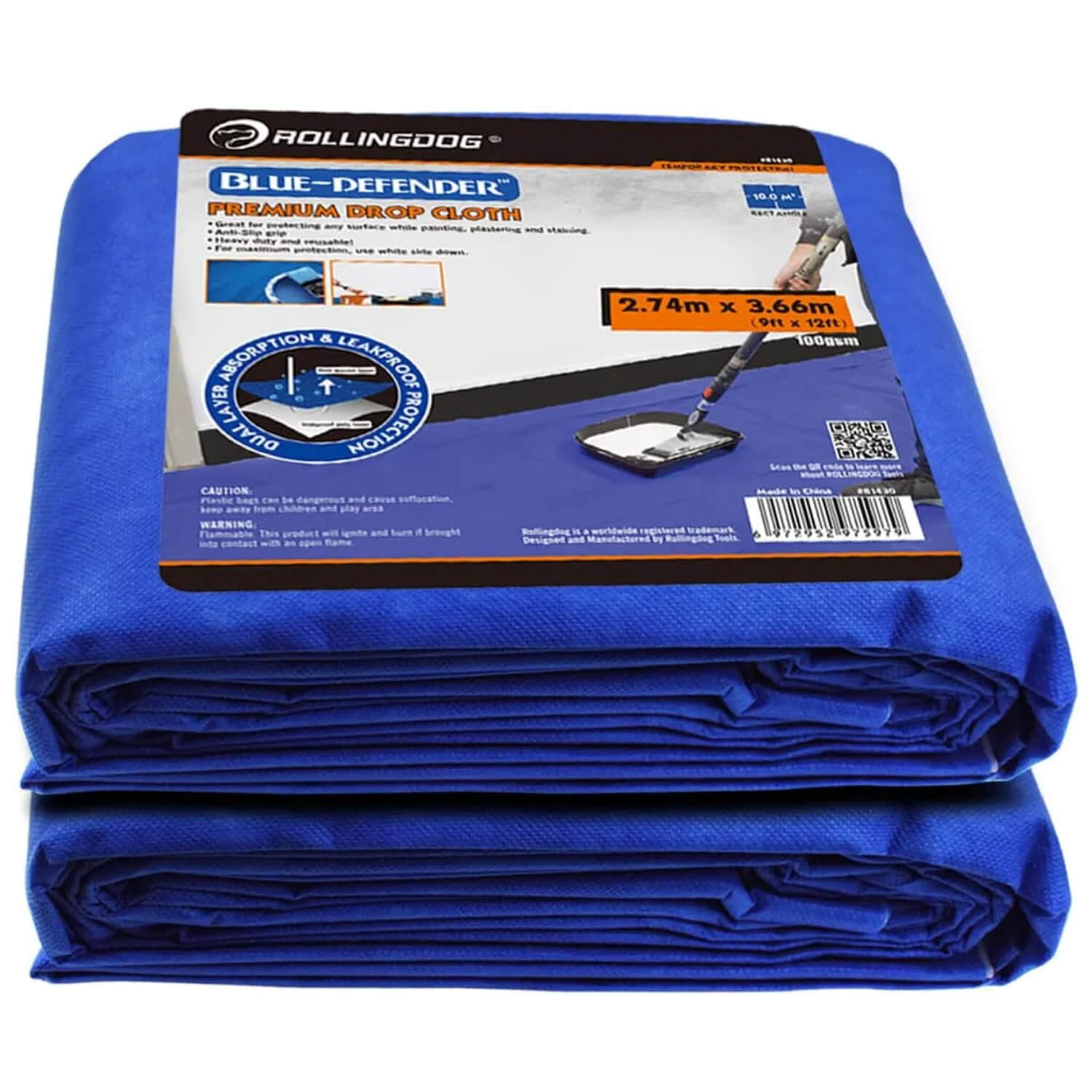
- Drop cloth
- Damp cloth
- Sanding tool
- Putty knife
- Paintable caulk
Step-by-step: How to Paint Window Trim
Step 1: Prepare the Window Trim
Protect the Area
Place a drop cloth under the window to protect the floor, windowsill, and nearby furniture from dust and paint drips.
Remove curtains, blinds, or small hardware if they are in the way. If anything cannot be removed, cover it with tape or plastic.
Scrape Away Loose Paint
Check the trim for peeling, flaking, or loose paint. Use a putty knife or scraper to gently remove any paint that is no longer firmly attached.
Sand the Surface Smooth
After scraping, sand the trim until the surface feels smooth. Sanding helps remove rough edges and gives the new paint a better surface to grip.
Clean the Trim
Clean the trim with mild soapy water to remove dirt, grease, fingerprints, and grime.
Let the surface dry completely before moving on.
Fill Holes, Cracks, and Gaps
Check the trim for nail holes, dents, cracks, or open seams, and apply paintable caulk and smooth it carefully.
Once dry, sand the repaired areas smooth and wipe away the dust.
Step 2: Prime If Needed
Primer is not always required, but it can make a big difference in adhesion, coverage, and durability.
- If the trim is bare wood, stained, patched, glossy, metal.
- If you are painting from a dark color to a lighter color.
- If you scrape away old paint or if the trim is exposed to moisture and weather.
Apply a thin, even coat of primer with an angled brush. Let it dry fully according to the product instructions. For a smoother finish, lightly sand the primed surface with a fine-grit sanding sponge, then wipe it clean before painting.
Step 3: Paint the Window Trim
Dip your trim brush lightly into the paint, then tap off the excess.
Start with the narrow inner details first, then work from the top of the window down. This helps you control drips and keep the finish neat.
Step 4: Apply a Second Coat
Once dry, check the trim in natural light. Look for thin spots, brush marks, drips, or uneven coverage. If needed, lightly sand any rough areas and wipe away the dust.
Apply a second thin coat using the same method. Two thin coats usually create a smoother, stronger, and more durable finish than one heavy coat.
Step 5: Remove the Tape Carefully
For the cleanest lines, remove painter’s tape before the paint is fully dried.
If the paint has already dried too much, lightly score along the tape edge with a utility knife before removing it.
Painting window trim is a small project that can make a big difference. With a steady process and attention to detail, your window trim can look fresh, sharp, and professionally finished.
FAQ
Can I paint window trim without removing it?
Yes. In most cases, window trim can be painted in place. Clean, sand, tape, prime if needed, and paint carefully with a brush.
Do I need to remove old paint before painting window trim?
Not always. If the old paint is still firmly attached, you can clean and sand it before repainting. But loose, peeling, or flaking paint should be scraped away first.
Should I use primer on window trim?
Use primer if the trim is bare wood, stained, patched, glossy, metal, or being painted from dark to light. Primer helps paint stick better and can improve durability.
Should I use a brush or roller for window trim?
A brush is usually better for window trim because the surface is narrow and detailed. A small roller can be used on wider flat trim, but you will still need a brush for edges and corners.
How do I avoid brush marks on window trim?
Use a quality angled brush, avoid overloading it with paint, and apply thin, even coats. Brush in the direction of the trim and avoid going back over areas once the paint starts to dry.
recommended products
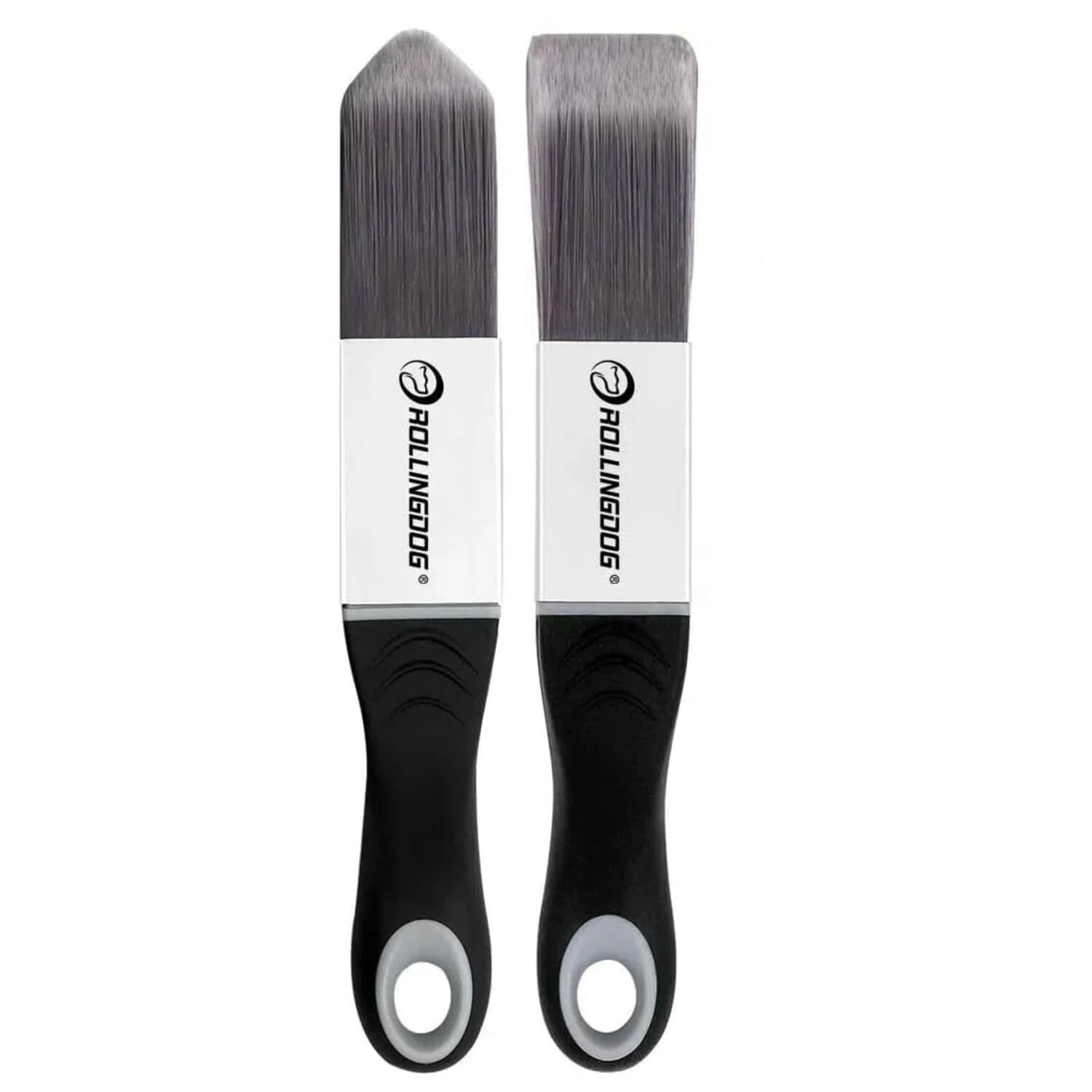
Trim Brush - 2pcs
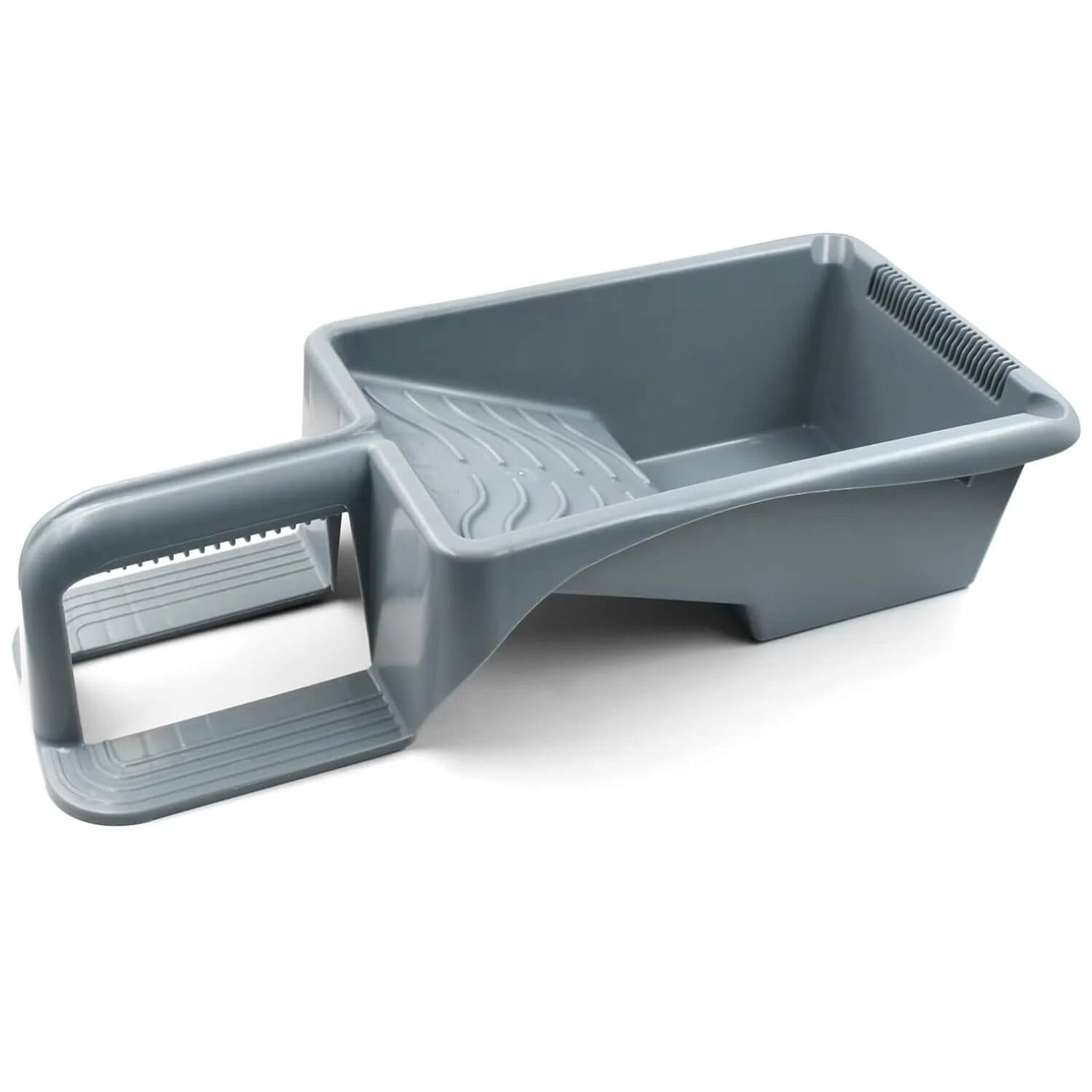
4 inch Paint Tray

Putty Knife - 3pcs