How to Paint Stair Railing
To paint the stair railing, clean the surface, lightly sand glossy areas, and protect the stairs and walls before painting. Apply primer if needed, then use an angled brush or detail brush to paint the handrail, spindles, balusters, and tight corners. Work in small sections, apply thin coats, and let each coat dry fully before adding the next.
Why Paint Stair Railing?
Painting the stair railing is a high-impact way to refresh your home without replacing the entire railing system. A fresh coat of paint can make an outdated staircase look cleaner, brighter, and more modern.
Choose the Right Brush for Stair Railings
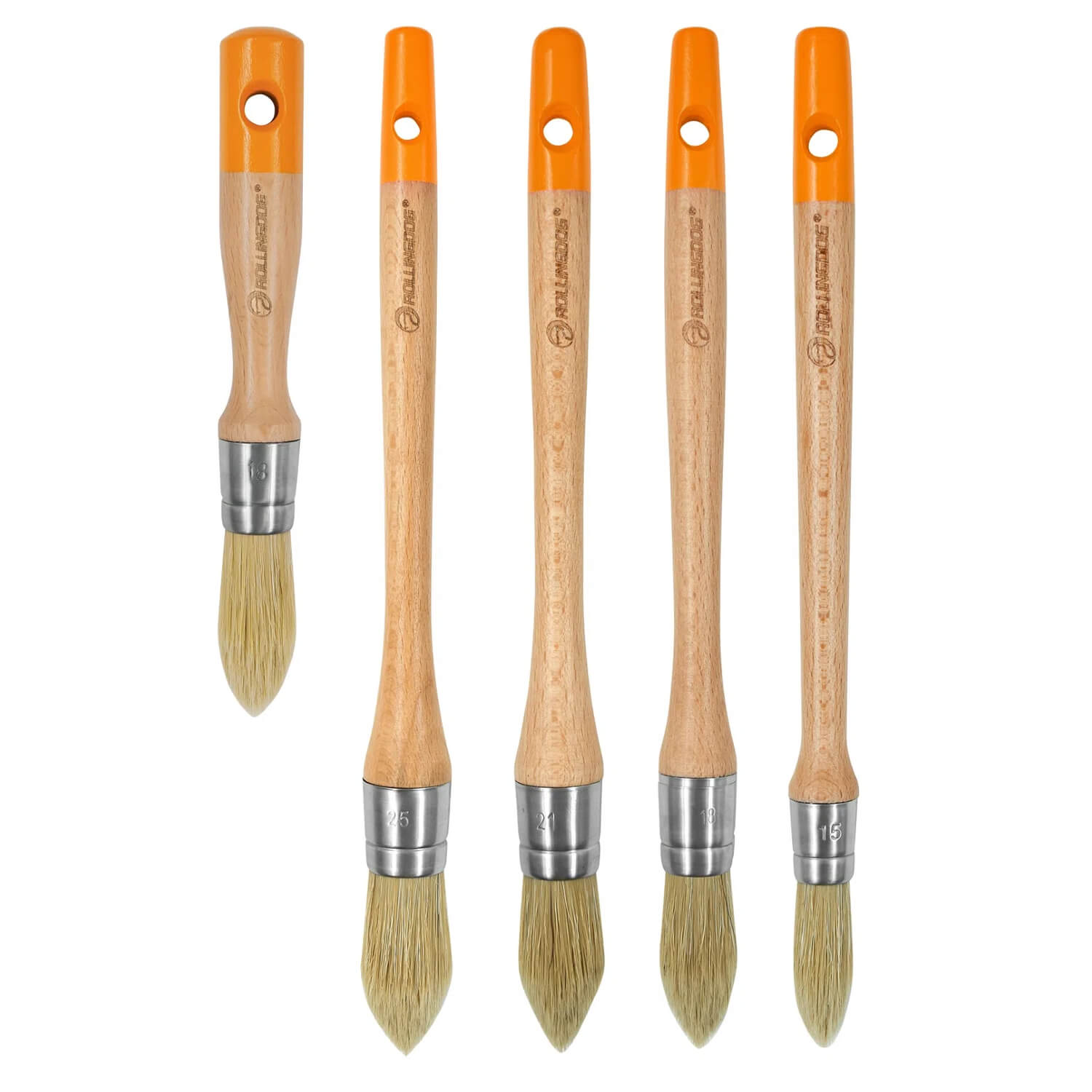
Stair railings have many narrow surfaces, corners, curves, grooves, and awkward angles. Because of that, choosing the right brush is one of the most important parts of the project.
Step by Step: How to Paint Stair Railing
Step 1: Prep the Surface
Stair railings collect hand oils, dust, and everyday residue, so cleaning is the first step. Wipe with a mild cleaner or degreaser, then let the surface dry completely.
Next, lightly sand the railing to dull glossy varnish, stain, or old paint, to create a slightly dull surface that primer and paint can grip.
After sanding, wipe away all dust with a soft cloth or tack cloth before moving on to primer or paint.
Step 2: Protect the Area
Use painter's tape to protect walls, stair treads, baseboards, and trim. Cover the stairs, floor, and nearby furniture with a drop cloth to protect them from paint drips.
Step 3: Apply Primer If Needed
Primer is helpful for glossy, stained, dark, bare wood, or heavily used railings. It gives the paint a better surface to grip and can improve the durability of the finish.
Once the primer is dry, lightly sand any bumps, drips, or rough spots. Wipe away the dust before painting.
Step 4: Paint in Sections
Work in small sections instead of trying to paint the entire railing at once. Stair railings have many details, so smaller sections make the project easier to control.
Use thin, even coats instead of one thick coat. A brush is especially useful for the handrail, underside, spindles, balusters, corners, and joints. Watch for drips around the underside of the handrail and where the balusters meet the base rail.
Step 5: Finish the Railing
Let the first coat dry fully according to the paint label. Stair railings are touched often, so do not rush the drying process.
Apply a second thin coat for better coverage, color depth, and durability. Use a detail brush for touch-ups around corners, joints, grooves, and the underside of the handrail.
Painting the stair railing is a detailed project. The key is not to rush the prep work. Clean the railing, dull glossy surfaces, protect the surrounding area, and use primer where needed.
With careful preparation and the right tools, a freshly painted stair railing can give your home a cleaner look.
FAQ
Do I need to sand the stair railing before painting?
Yes. Light sanding helps dull the surface and improves paint adhesion. You usually do not need to sand down to bare wood unless the old finish is badly damaged.
Do I need primer before painting the stair railing?
Primer is recommended for glossy, stained, dark, bare wood, or high-touch railings. It helps the paint grip better and improves durability.
Can I use a roller on the stair railing?
A small roller can help on flat sections, but most stair railings still need a brush for edges, grooves, curves, and detailed areas.
Recommended Products
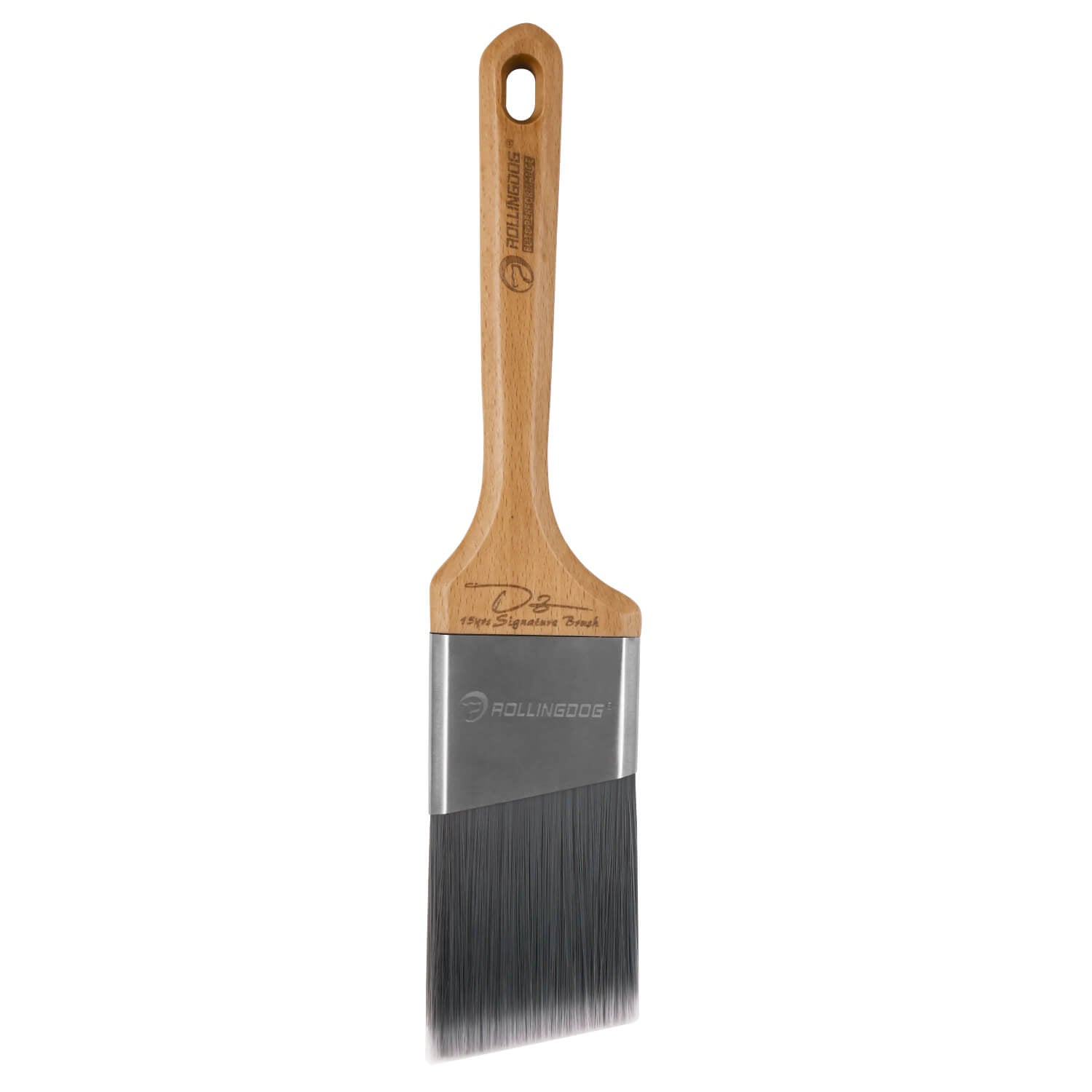
2.5 inch Angled Brush
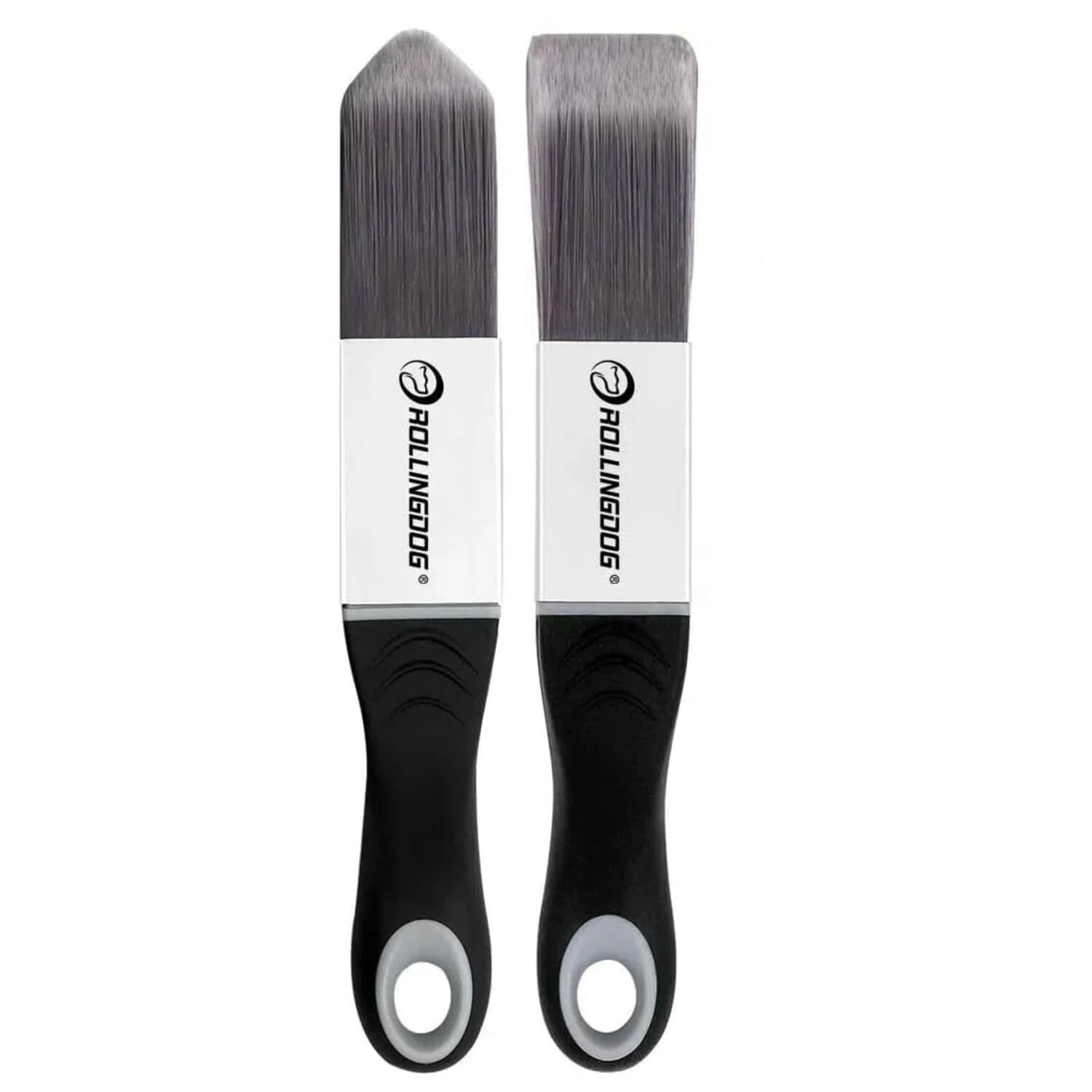
Trim Brush Set - 2pcs
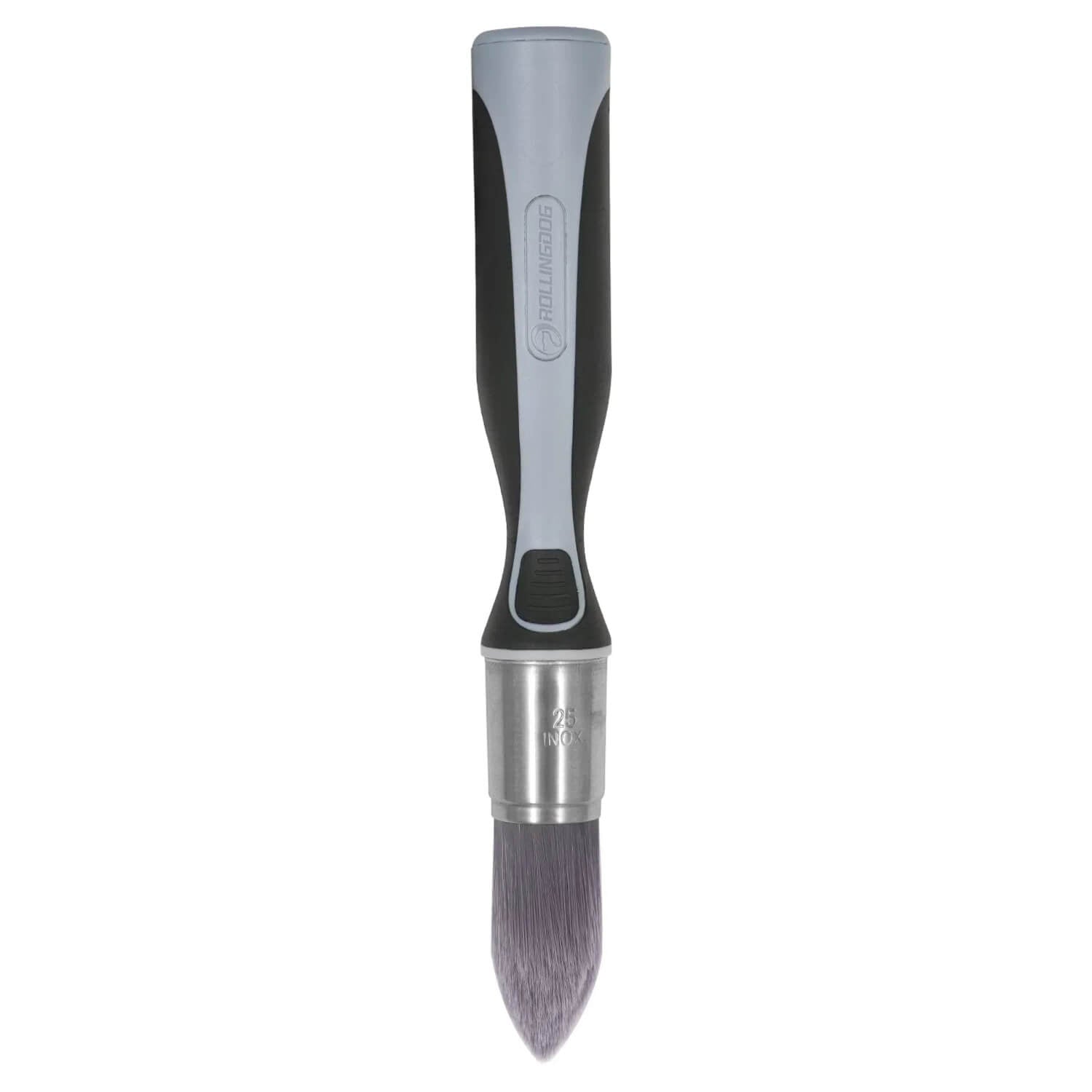
Pointed Round Brush