How to Paint a House Exterior
To paint a house's exterior, clean and dry the surface first, then scrape loose paint, sand rough areas, repair cracks, and apply primer where needed. Use a brush for trim, edges, and details, and a roller for larger wall sections. Work from top to bottom, let the first coat dry, and apply a second coat for better coverage and protection.
Why Paint Your House Exterior?
Painting your house's exterior is one of the most effective ways to refresh your home's appearance. A new coat of exterior paint can make faded siding, trim, doors, and other outdoor surfaces look cleaner, brighter, and better maintained.
Beyond appearance, exterior paint also adds a protective layer, helping protect itself from everyday outdoor wear.
Tools You'll Need
- Cleaning Tools: Garden Hose, Scrub Brush
- Surface Prep Tools: Scraper, Sandpaper or Sanding Block, Putty Knife, Exterior Filler
- Painting Tools: Paint Brush, Paint Roller, Paint Bucket, Extension Pole
- Protection Tools: Drop Cloth, Plastic Sheeting, Masking Tape
- Materials: Exterior Paint
Step by Step: How to Paint a House Exterior
Step 1: Prepare the Exterior
Before painting, inspect the exterior and look for peeling paint, cracks, damaged caulk, mildew, mold, rust, rotten wood, or powdery residue.
Move outdoor furniture, planters, and decorations away from the work area. Cover plants, patios, walkways, lights, and nearby surfaces with drop cloths or plastic sheeting. Use painter's tape around windows, doors, trim, and edges.
Clean the exterior with a garden hose, scrub brush, or power washer if needed. Let the surface dry completely before painting, as damp surfaces can cause poor adhesion, bubbling, or peeling.
Step 2: Fix and Smooth Problem Areas
Use a paint scraper to remove loose, peeling, or flaking paint. Sand rough edges, glossy areas, splinters, and uneven spots, so the new paint can grip better.
Repair small cracks or holes with exterior-grade filler. If you find rotten wood or serious damage, repair or replace it before painting. Apply paintable exterior caulk around windows, doors, trim, siding joints, and flashing where gaps are visible.
The surface should be clean, dry, dull, and stable before primer or paint goes on.
Step 3: Apply Primer If Needed
Primer helps paint adhere better and creates a more even base. You may not need to prime the entire house if the existing paint is clean, sound, and in good condition, but problem areas often benefit from a primer.
Primer is especially helpful for bare wood, repaired areas, scraped or sanded spots, flaky or powdery surfaces, dark-to-light color changes, masonry, brick, or porous surfaces.
Step 4: Paint the Exterior
Start with trim, edges, corners, doors, windows, shutters, and other detailed areas. Use a paint brush for better control in tight spaces and around areas a roller cannot reach.
Then use a roller for larger exterior wall sections. Work from the shaded side when possible, and paint from top to bottom to control drips. Slightly overlap each roller pass to keep the coat even and avoid visible lines.
Step 5: Let Dry and Apply a Second Coat
Let the first coat dry according to the paint manufacturer's instructions. Drying time can vary depending on temperature, humidity, sunlight, surface material, and paint type.
Most exterior painting projects look better and last longer with two coats.
Step 6: Finish and Clean Up
Once the paint is dry, inspect the exterior from different angles and lighting conditions. Look for missed spots, thin areas, drips, uneven edges, or visible roller marks.
Use a brush to touch up trim, corners, edges, and small areas. Carefully remove painter's tape according to the tape and paint instructions.
Painting your house exterior is a large project, but it becomes much more manageable when you follow the right process. The most important part is preparation. A clean, dry, repaired, and properly primed surface gives exterior paint a better chance to adhere, cover evenly, and last longer.
FAQ
How long should I wait after washing the house before painting?
The exterior should be fully dry before you apply primer or paint. In many cases, this may take 24 to 48 hours.
Do I need to prime before painting my house's exterior?
Primer is recommended for bare wood, repaired areas, scraped spots, powdery surfaces, major color changes, and porous surfaces such as masonry or brick. If the existing paint is clean, smooth, and in good condition, spot priming problem areas may be enough.
Can I use interior paint on the exterior?
No. Interior paint is not designed to handle sunlight, rain, moisture, temperature changes, mildew, and outdoor wear. Always use paint made for exterior surfaces.
Is it better to brush, roll, or spray exterior paint?
A sprayer can cover large areas quickly, but it requires more setup, masking, and experience. For many DIY projects, a brush and roller are easier to control.
Recommended Products
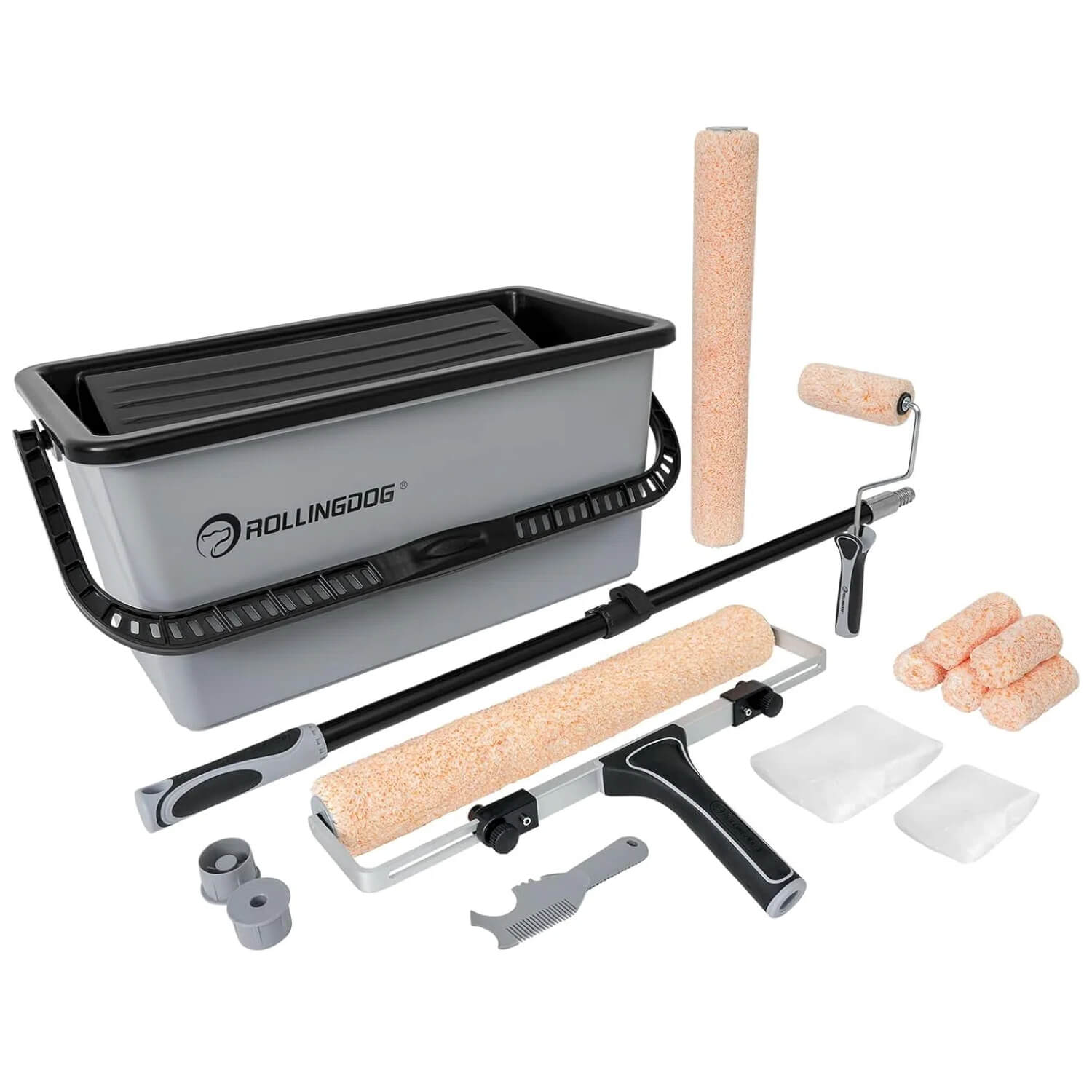
18 inch Paint Roller Kit
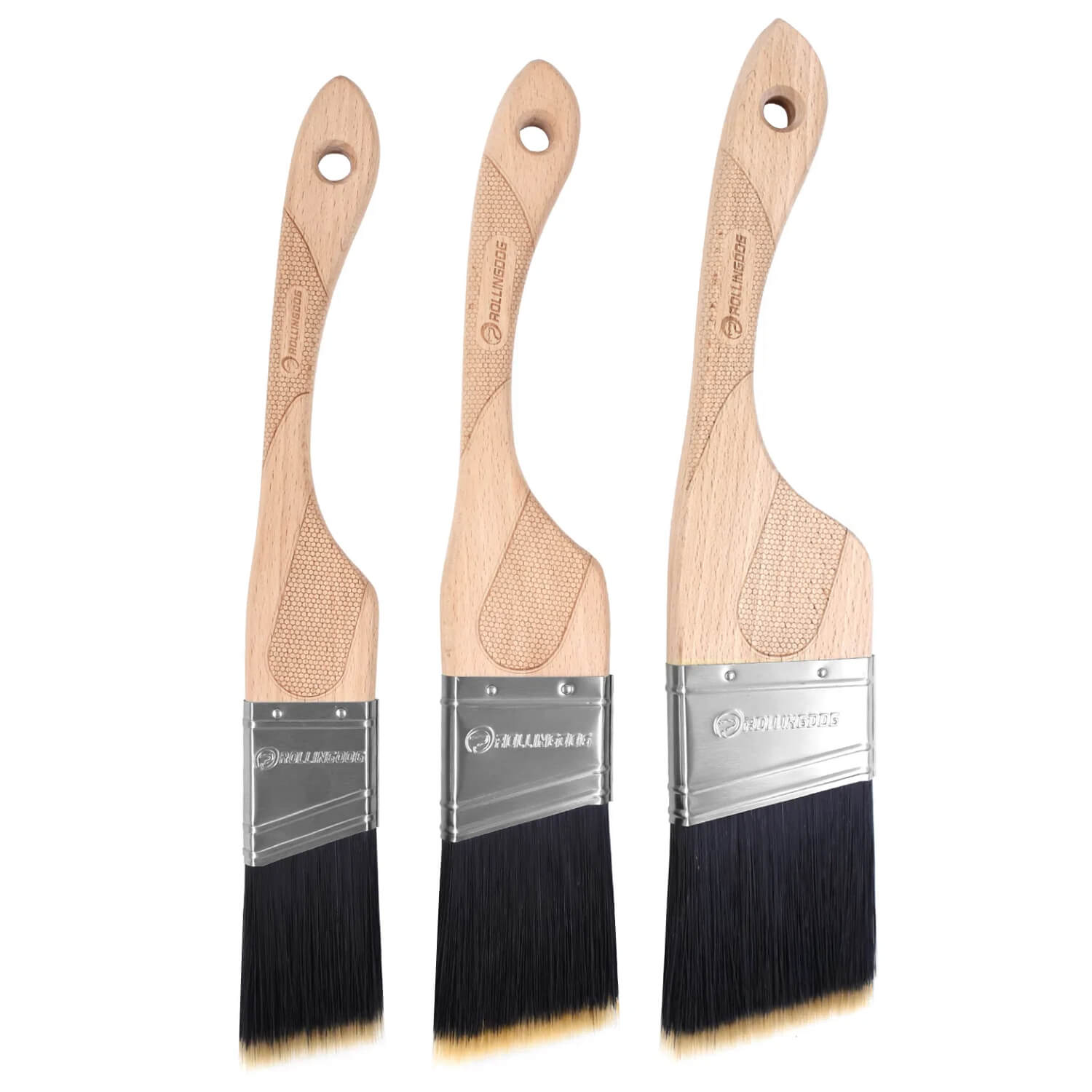
Angled Brush Set
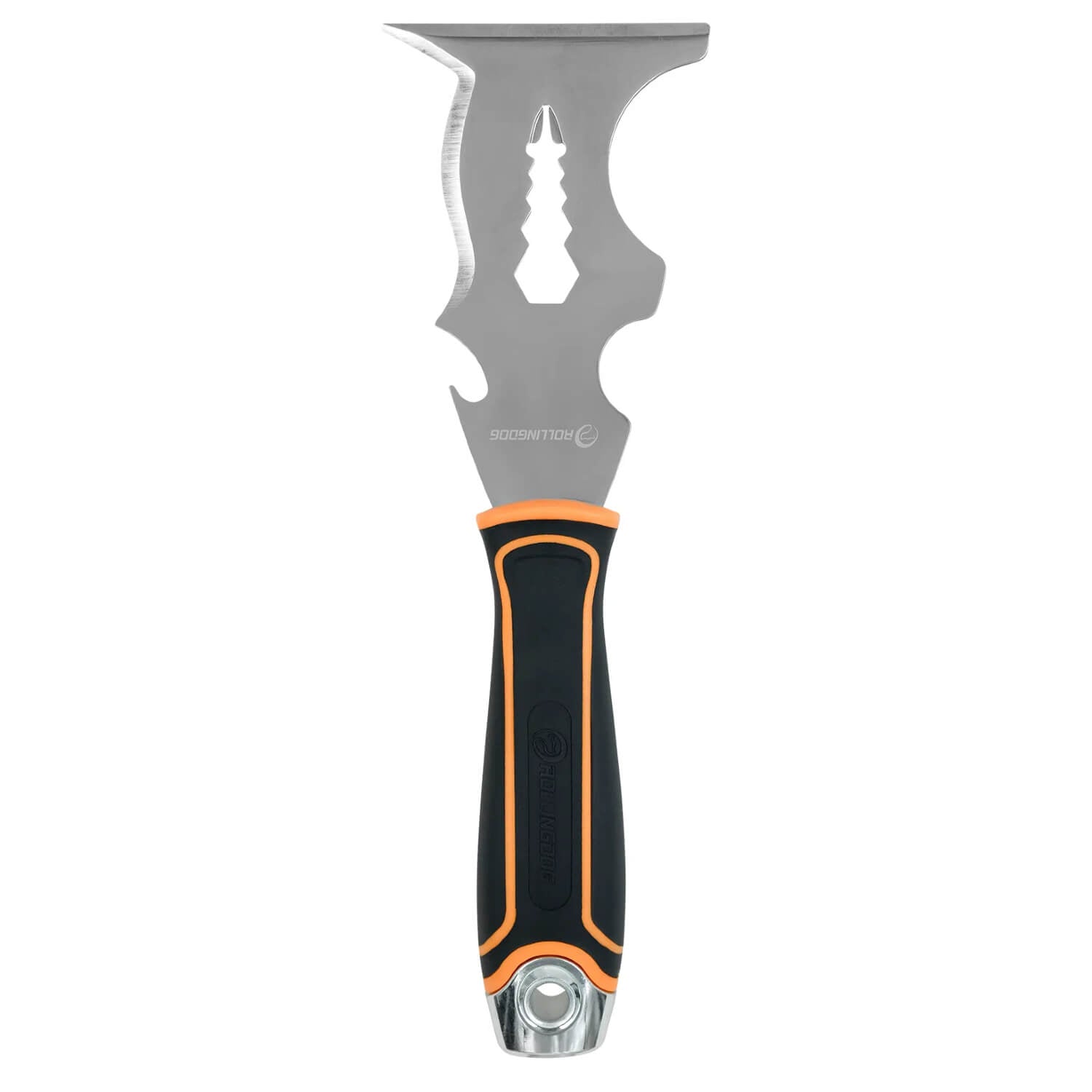
Scraper