

How to Choose the Right Brush for Every Job
Choosing the right paint brush comes down to matching the brush shape and size to the task. Angled brushes work best for edges and cut-in work, flat brushes suit small surface areas and touch-ups, trim brushes offer better control for detailed work, and stain brushes are designed for outdoor wood where coverage matters most.
Why the Right Paint Brush Matters
A paint brush does more than apply paint to a surface. The right brush helps you achieve cleaner lines, smoother finishes, and more consistent results, often with less effort.Using a brush that matches the job can:
- Improve edge control where walls meet ceilings or trim.
- Reduce visible brush marks and streaking.
- Make painting less tiring by improving balance and handling.
- Extend the life of the brush, reducing replacement costs over time.
Match Your Project to the Right Brush Type
Different painting projects place different demands on a brush.
Some tasks require precise control, others prioritize coverage and efficiency, while certain surfaces reveal brush marks more easily than others. Matching the brush type to the project helps balance control, efficiency, and finish quality, rather than forcing one brush to do every job.
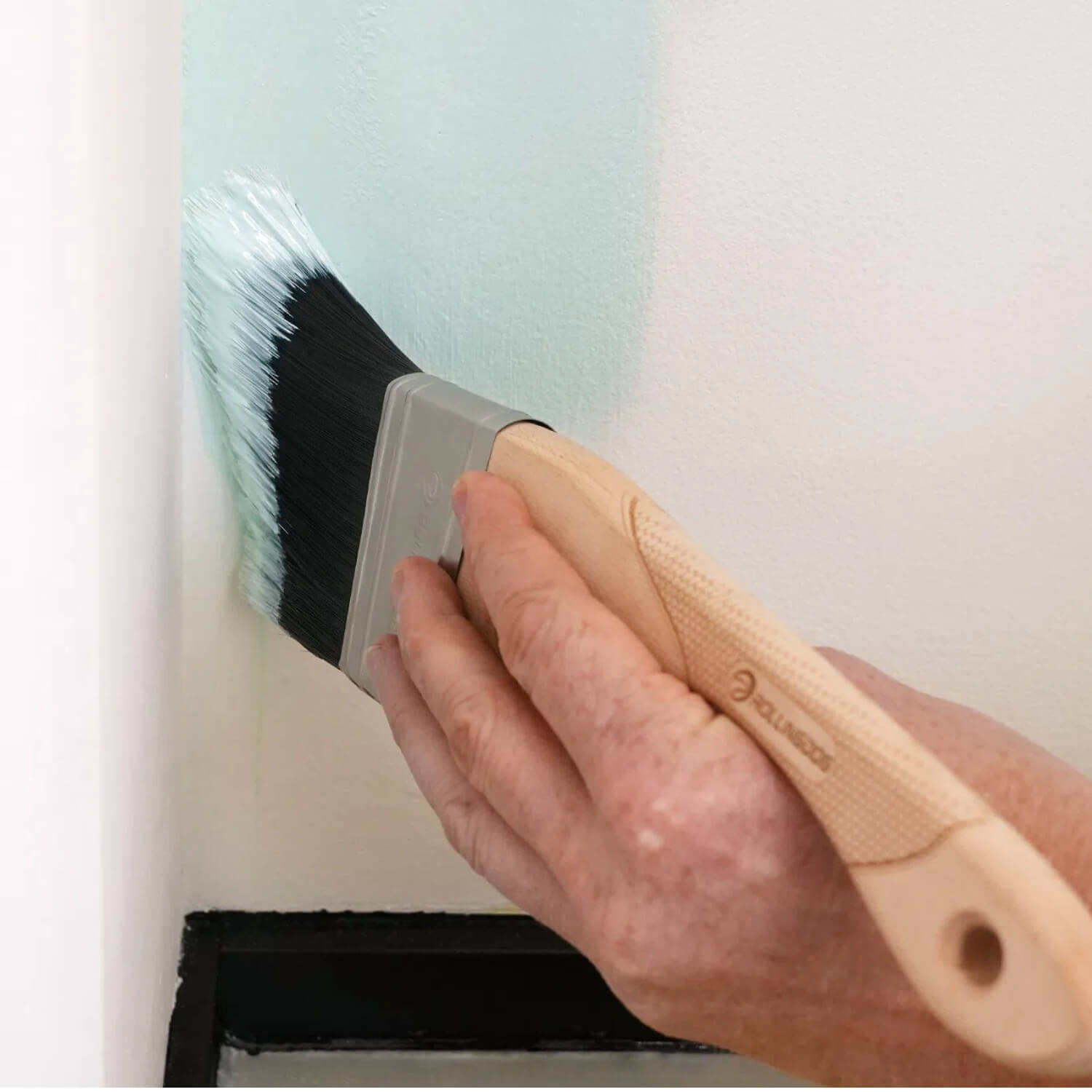
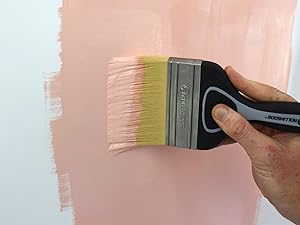
Walls and Ceilings
When painting a room, edges are typically handled first, followed by larger wall or ceiling areas.
Best suited brushes: Angled Brush, Flat Brush
Angled brushes are well suited for cutting in ceilings, corners, door frames, and window edges, where clean lines and control matter most. The angled edge makes it easier to guide the brush along straight boundaries without relying heavily on masking tape.
Flat brushes are useful for small wall sections, touch-ups, and areas where a roller feels oversized or awkward. They provide more surface contact than angled brushes while still offering reasonable control.
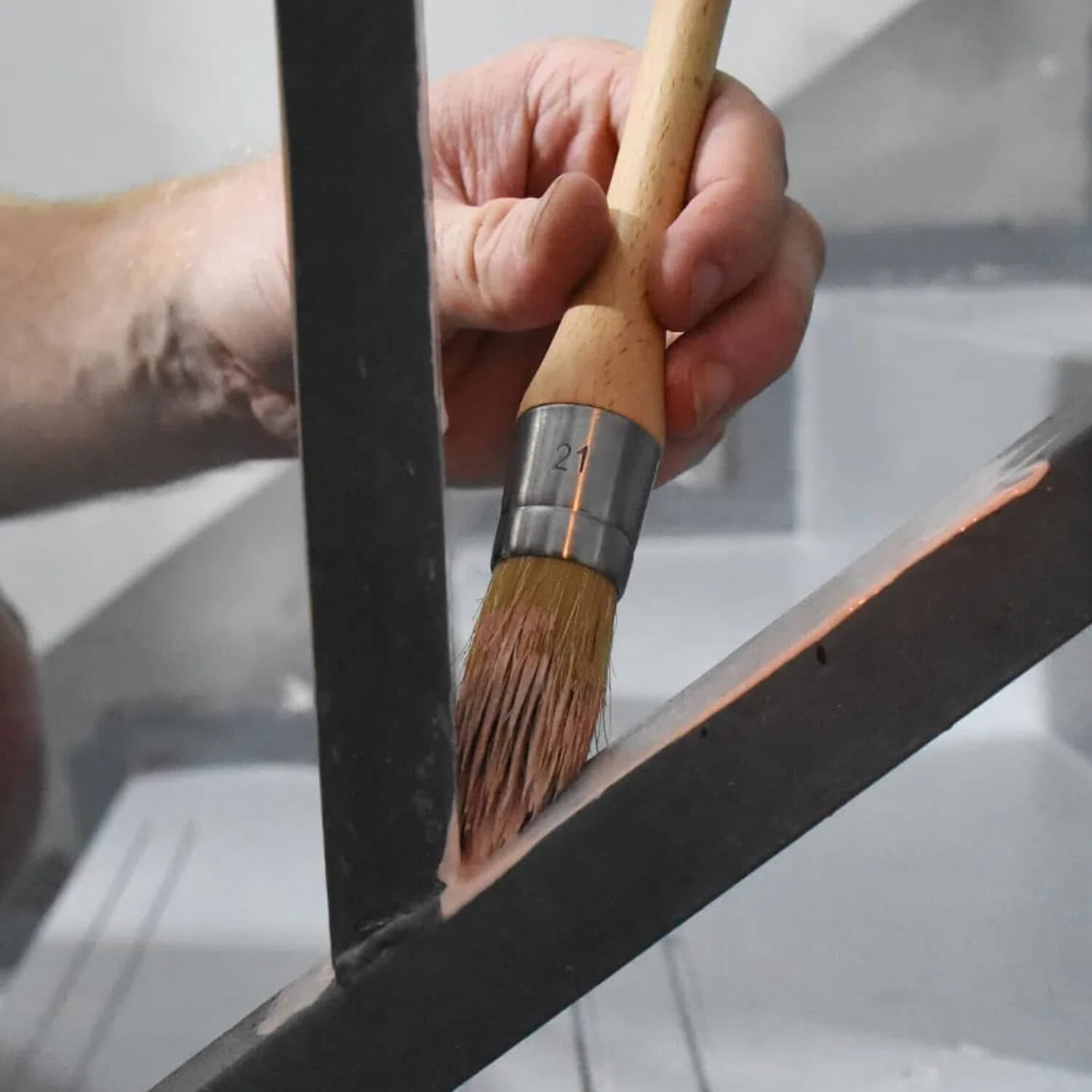
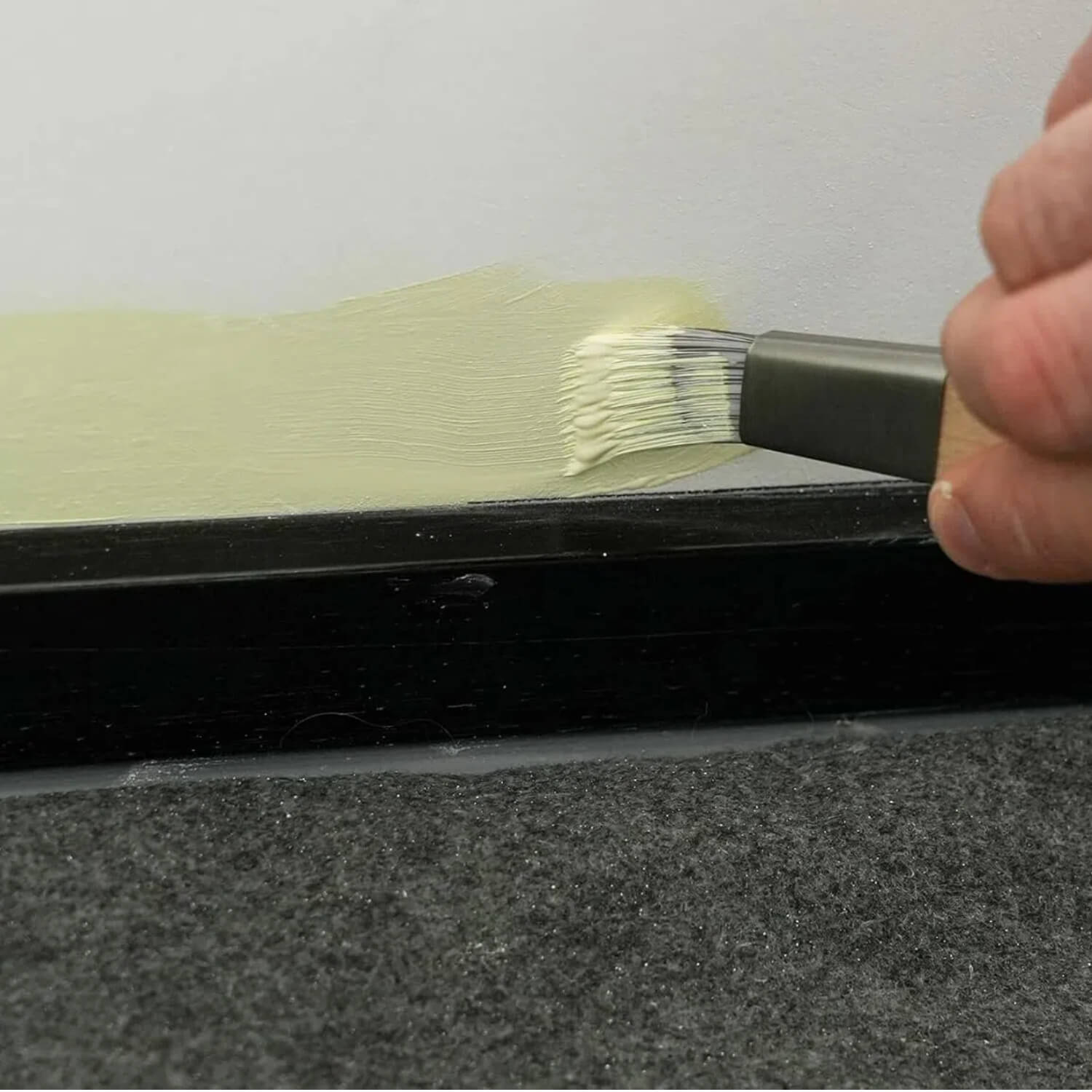
Baseboards, Door Frames, and Trim
Trim work leaves little room for error. Imperfect lines and uneven coverage are especially noticeable, particularly with white or semi-gloss paints.
Best suited brushes: Trim & Detail Brush, Angled Brush
Trim and detail brushes offer better precision on narrow moldings, baseboards, and tight profiles. Their slimmer shape allows for controlled paint placement without flooding the surface.
Angled brushes work well where trim meets the wall, helping create clean transitions without overlapping onto adjacent surfaces.

Cabinets and Furniture
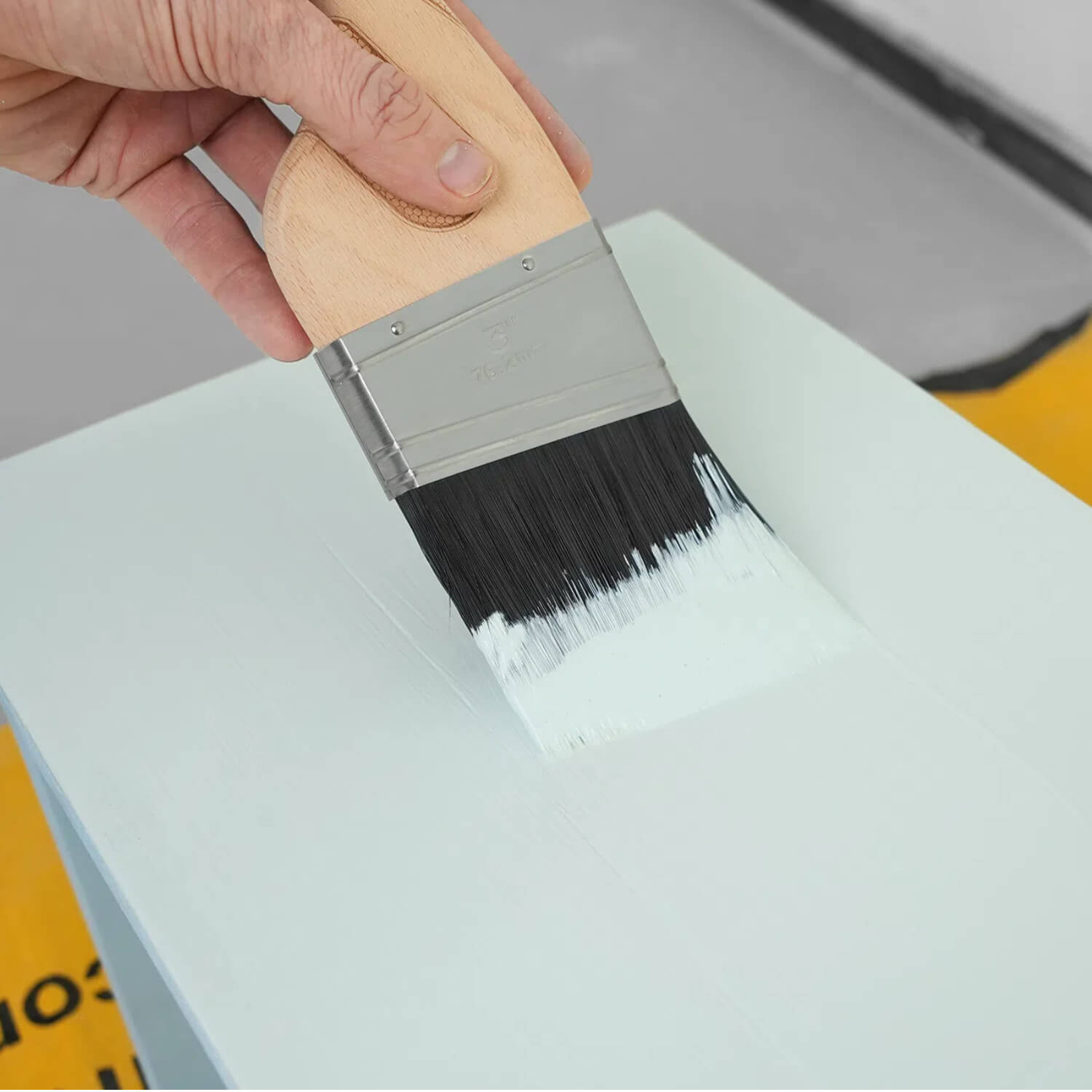
Cabinets and furniture surfaces tend to highlight brush marks more than walls, making controlled application and smooth layoff especially important.
Best suited brushes: Angled Brush, Trim & Detail Brush
Angled brushes perform well on frames, panel edges, and larger flat sections that still require accuracy.
Trim and detail brushes are better suited for carvings, rails, corners, and areas around hardware, where space is limited and overloading paint can easily occur.
Decks, Fences, and Outdoor Wood
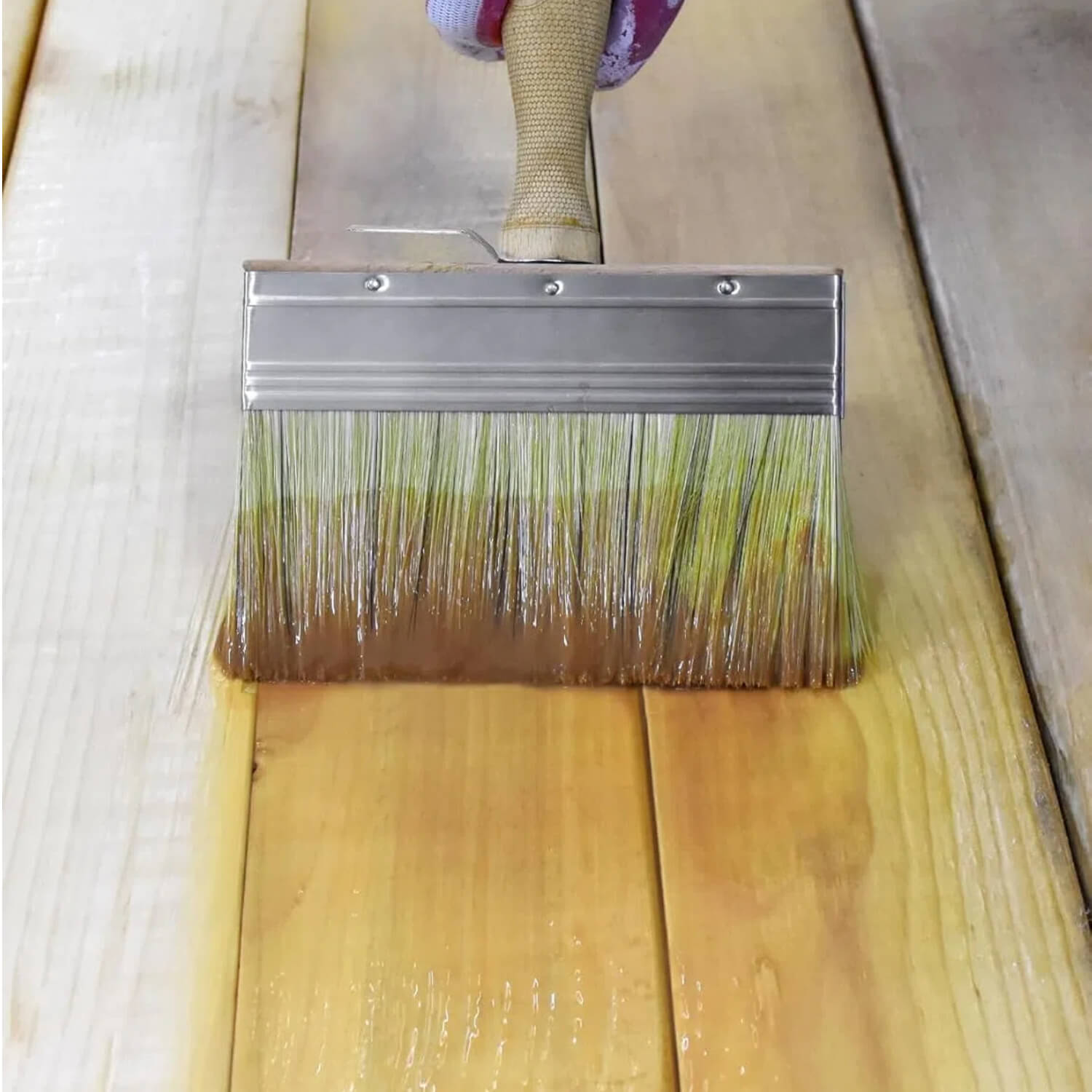
Outdoor wood surfaces require more than surface-level coverage. Paints, stains, and sealers need to be worked into the grain to protect the material effectively.
Best suited brushes: Stain Brush
Stain brushes are designed to hold more material and move it efficiently across rough or absorbent surfaces. This makes it easier to work section by section while pushing the product into the wood grain, rather than skimming over the surface.
Key takeaway
Rather than choosing a brush based on habit or convenience, start by considering what you're painting and what the surface demands. Matching the brush type to the task leads to cleaner results, smoother finishes, and a more efficient painting process overall.
What to Look for in a Quality Paint Brush
Regardless of brand, a good paint brush shares a few key qualities:
- Bristle material: Synthetic filaments designed for modern paints help apply paint smoothly with fewer visible marks.
- Purpose-built design: Brush shape and size should match specific tasks rather than trying to handle everything with one brush.
- Durability: Secure ferrules, stable brush heads, and comfortable handles help brushes maintain performance over repeated use.
These factors matter more than brush count or price alone.
Choosing the right paint brush is about matching the tool to the task. By considering what you're painting and selecting a brush designed for that job, you make it easier to achieve cleaner lines, smoother finishes, and more reliable results.


