

Best Paint Brush for Cutting In: How to Choose the Right Brush
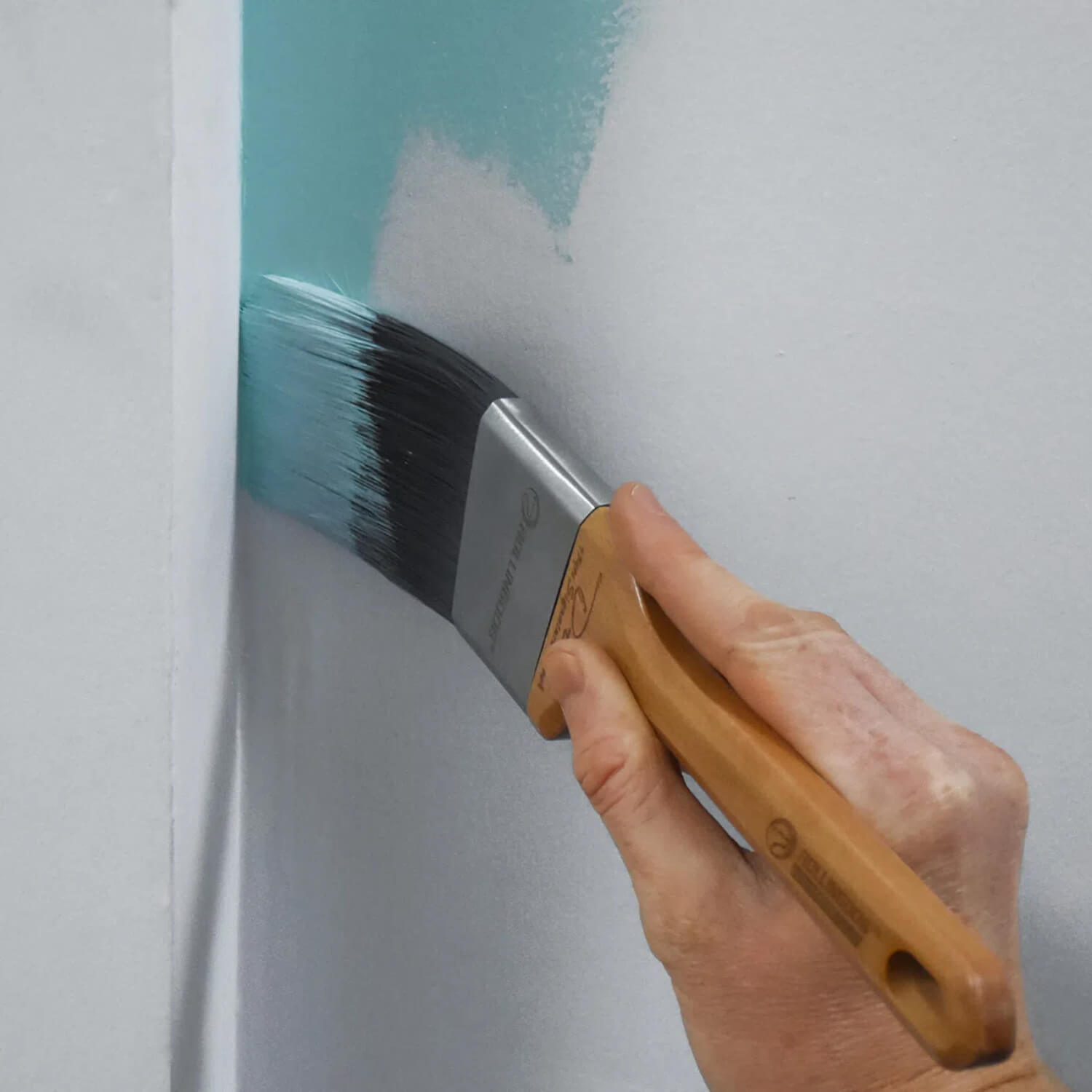
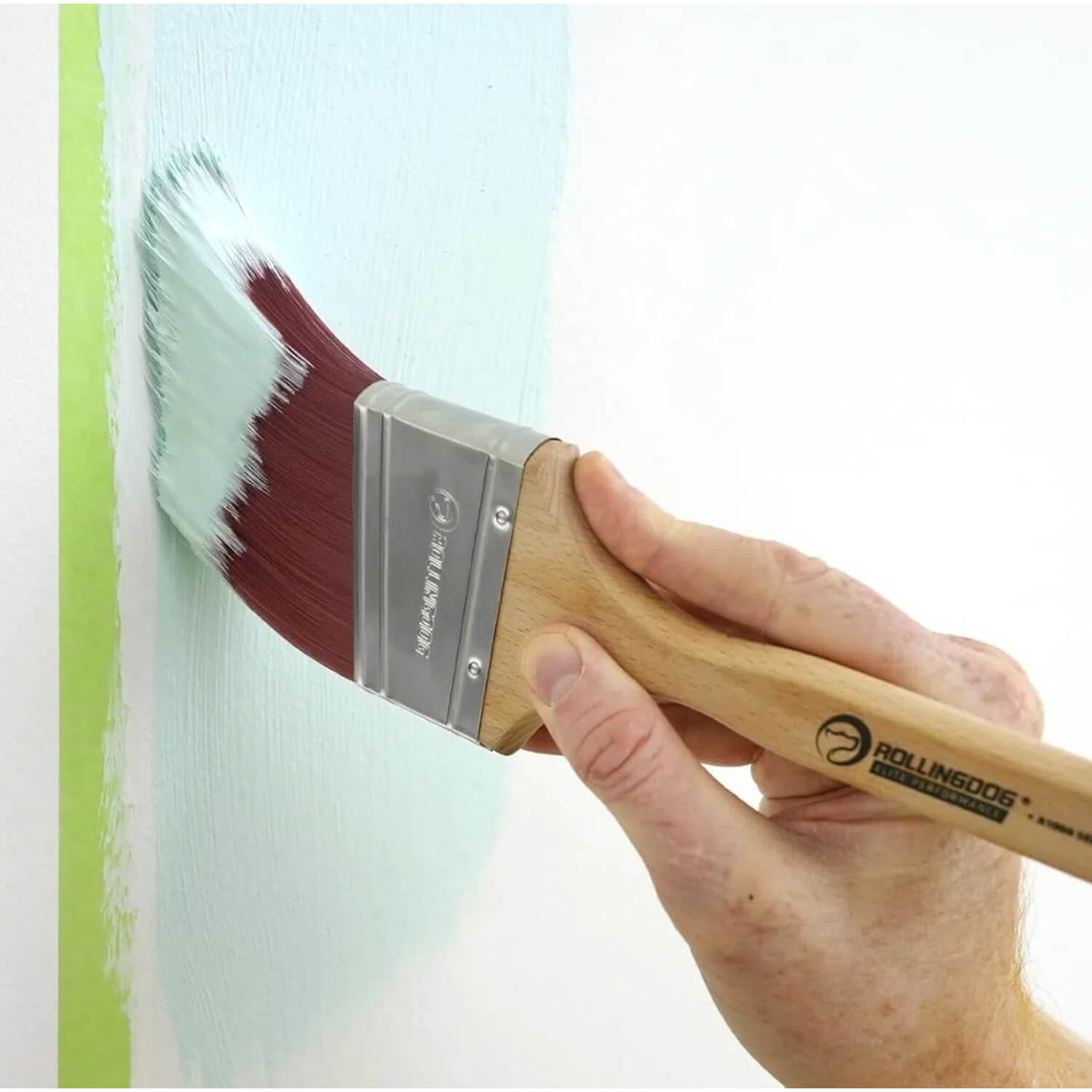
Cutting in is an essential painting technique used to create clean edges where two surfaces meet, such as along ceilings, corners, and trim. While brush control and technique are important, using the right paint brush can make the job significantly easier.
A suitable brush helps you guide paint more precisely along edges, maintain steady strokes, and achieve cleaner paint lines. Choosing the right brush depends largely on the type of edge you are painting and the level of precision required.
In this guide, we’ll explain how to choose the best paint brush for cutting in based on different painting scenarios.
How to Choose a Paint Brush for Cutting In
Different cutting-in tasks require different types of brushes. Larger edges often require better coverage and control, while detailed areas require higher precision.
The table below shows which brush type works best for common cutting-in situations.
| Painting Area | Recommended Brush | Feature |
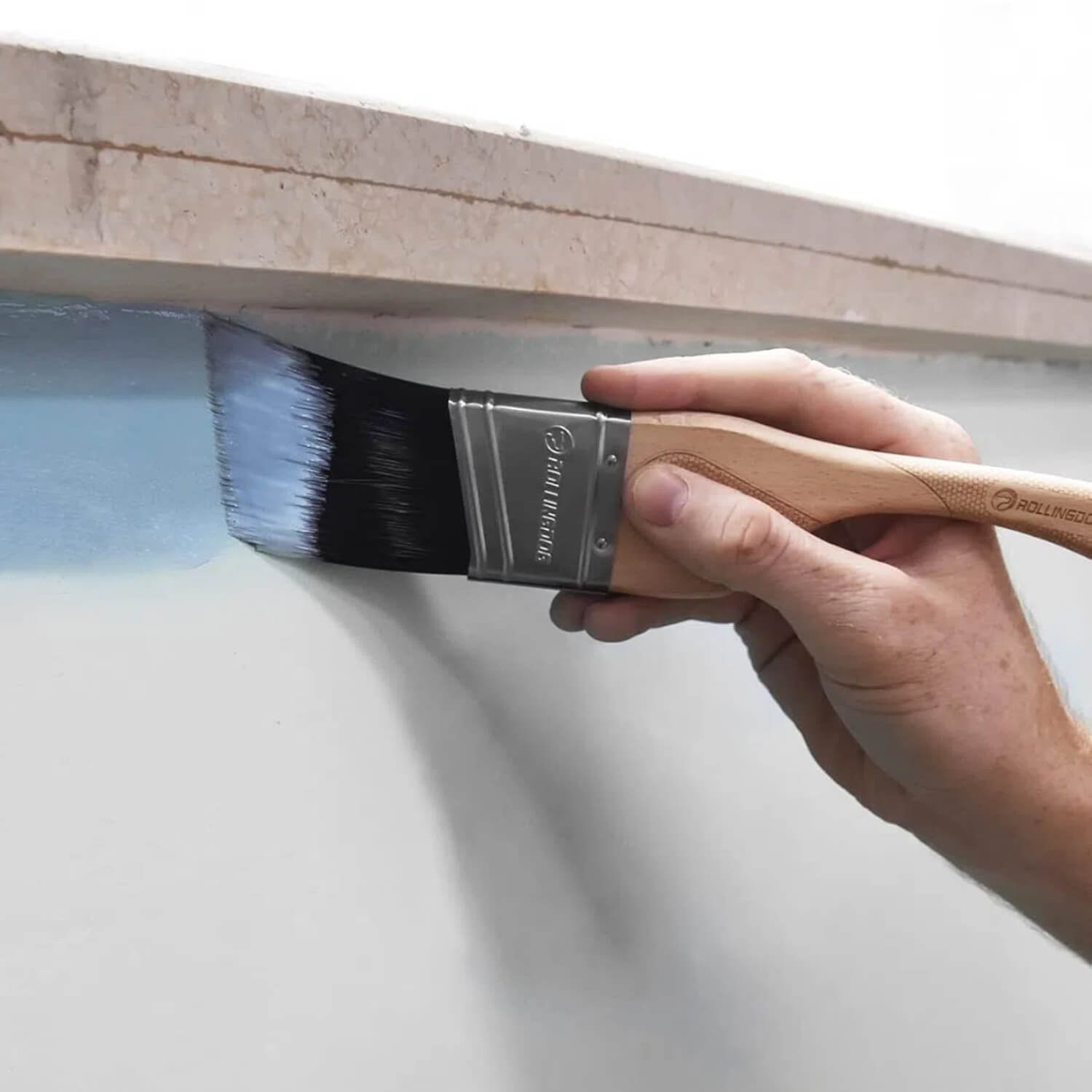
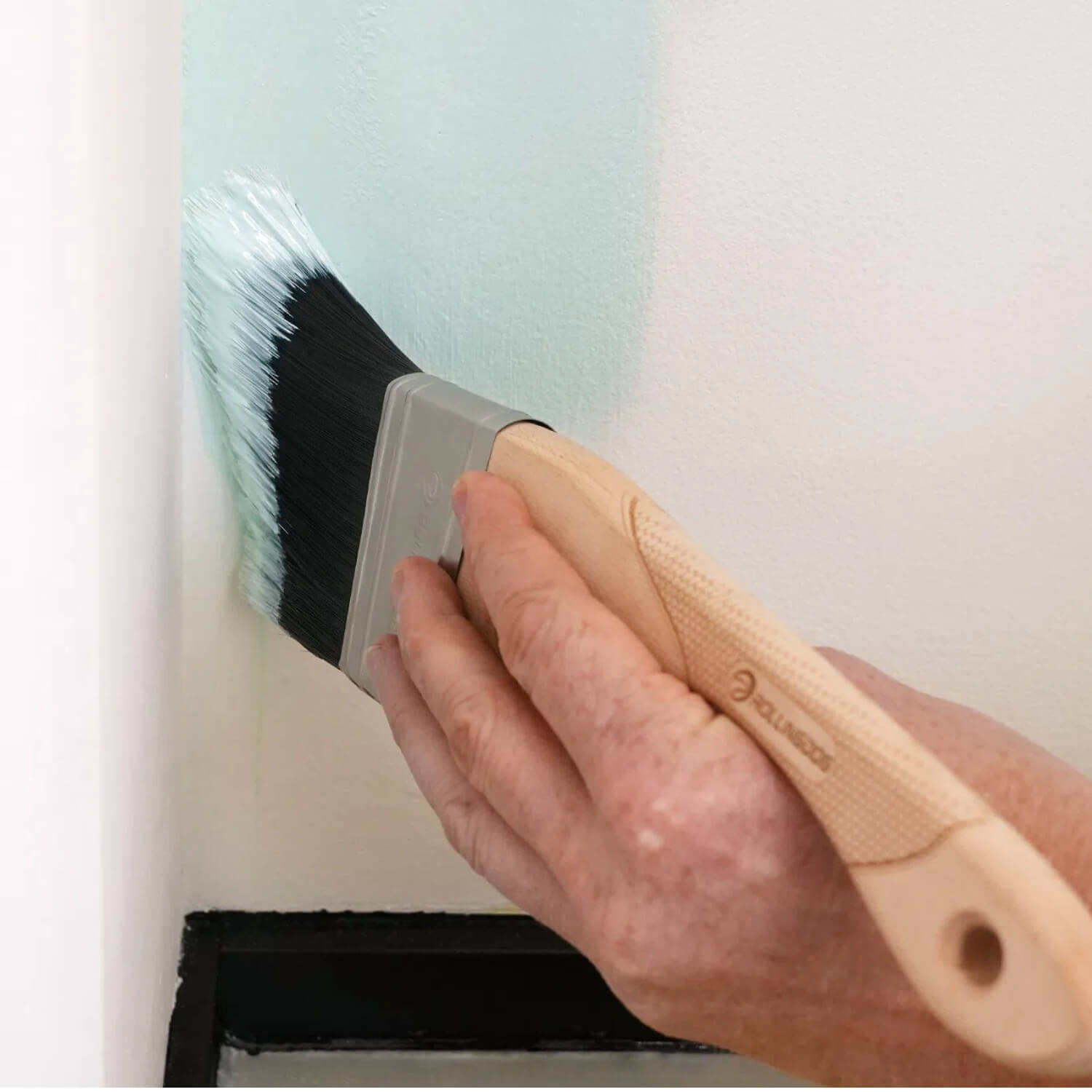
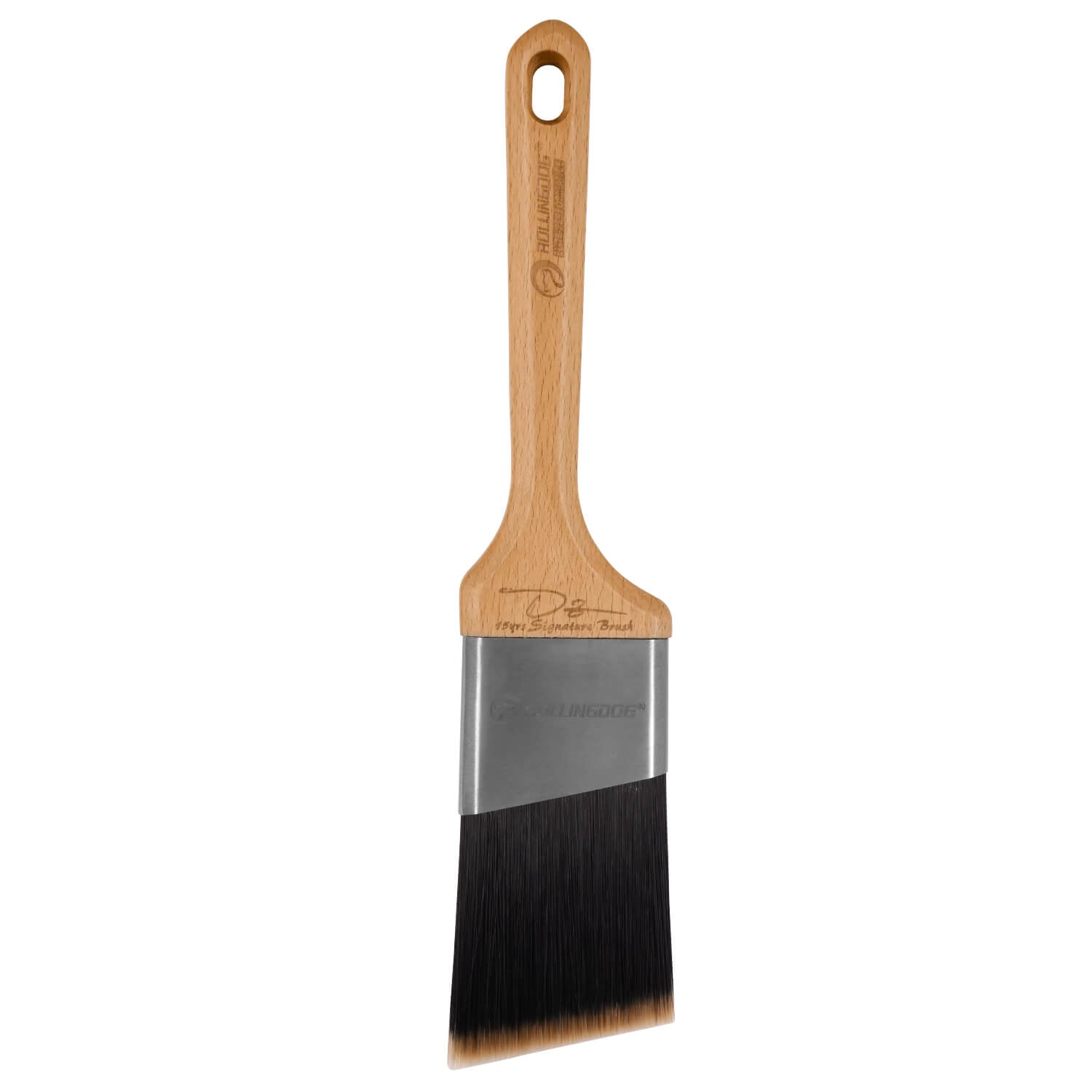
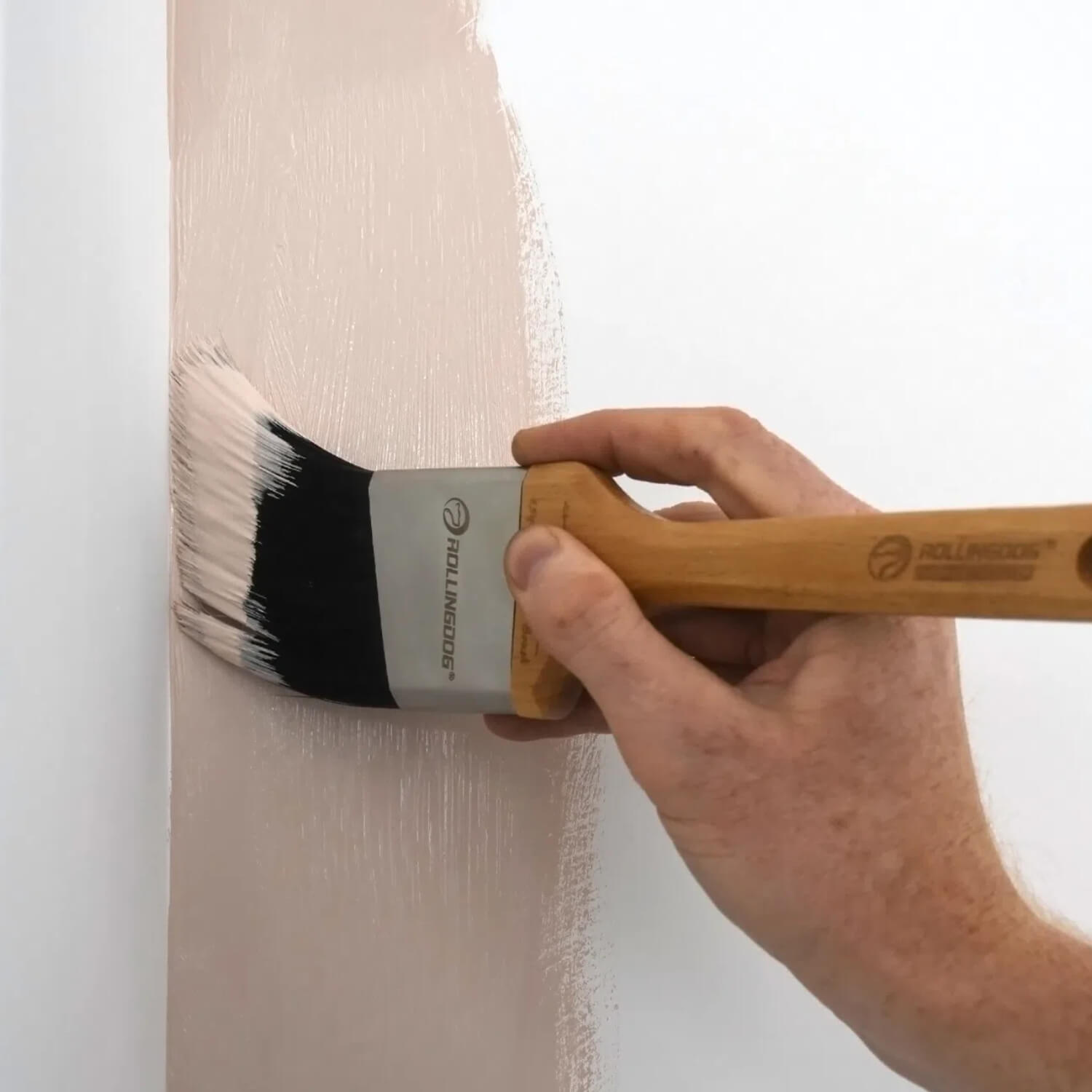
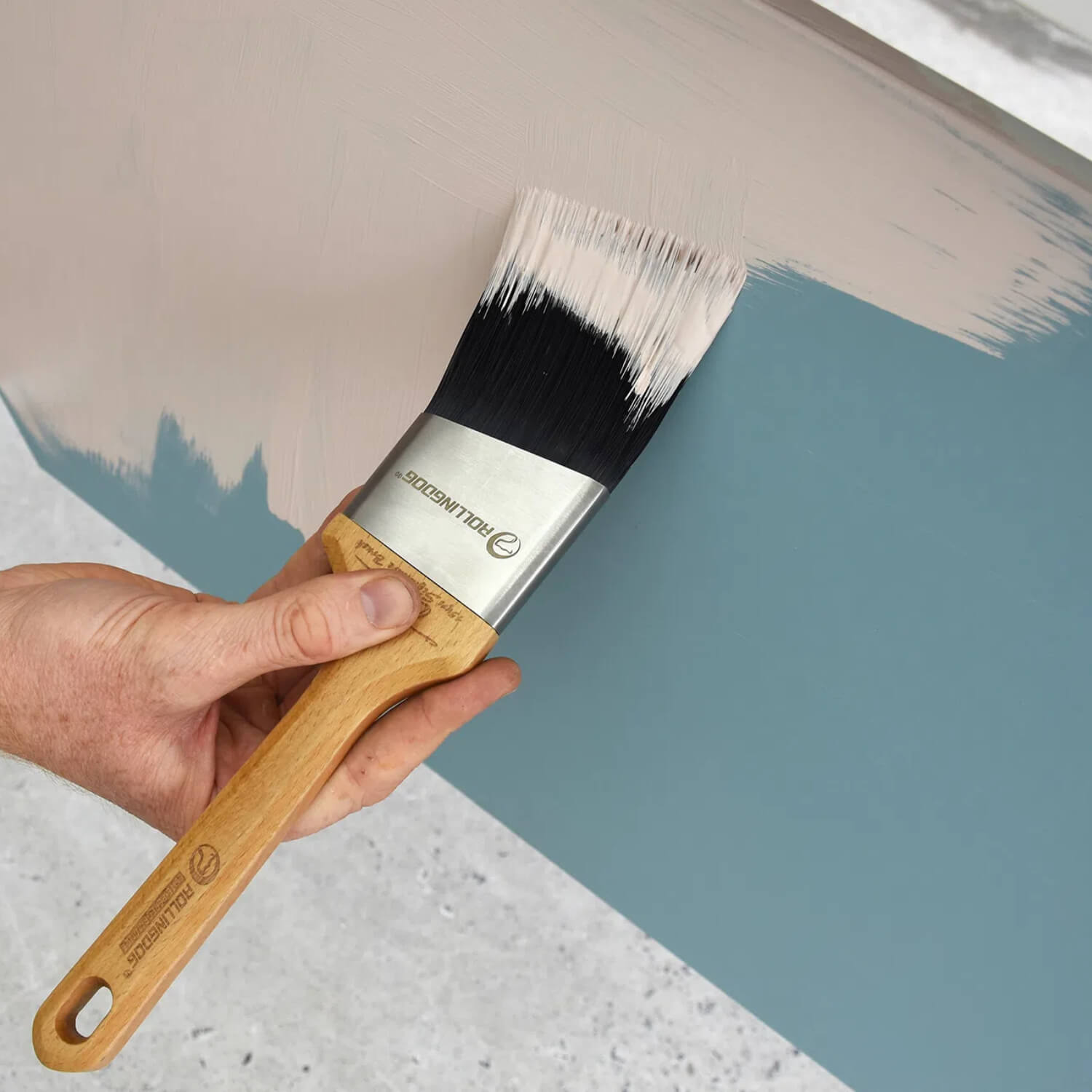
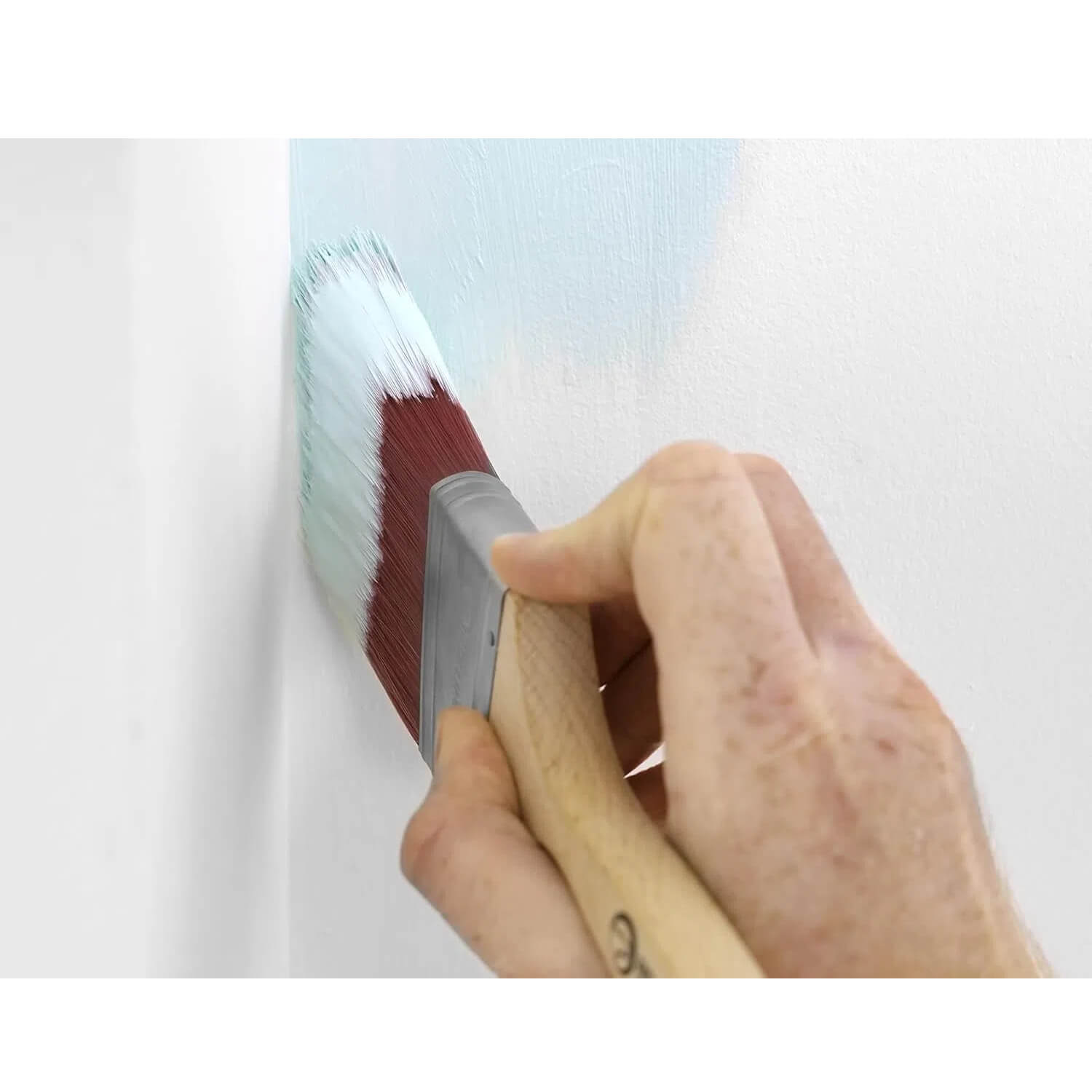
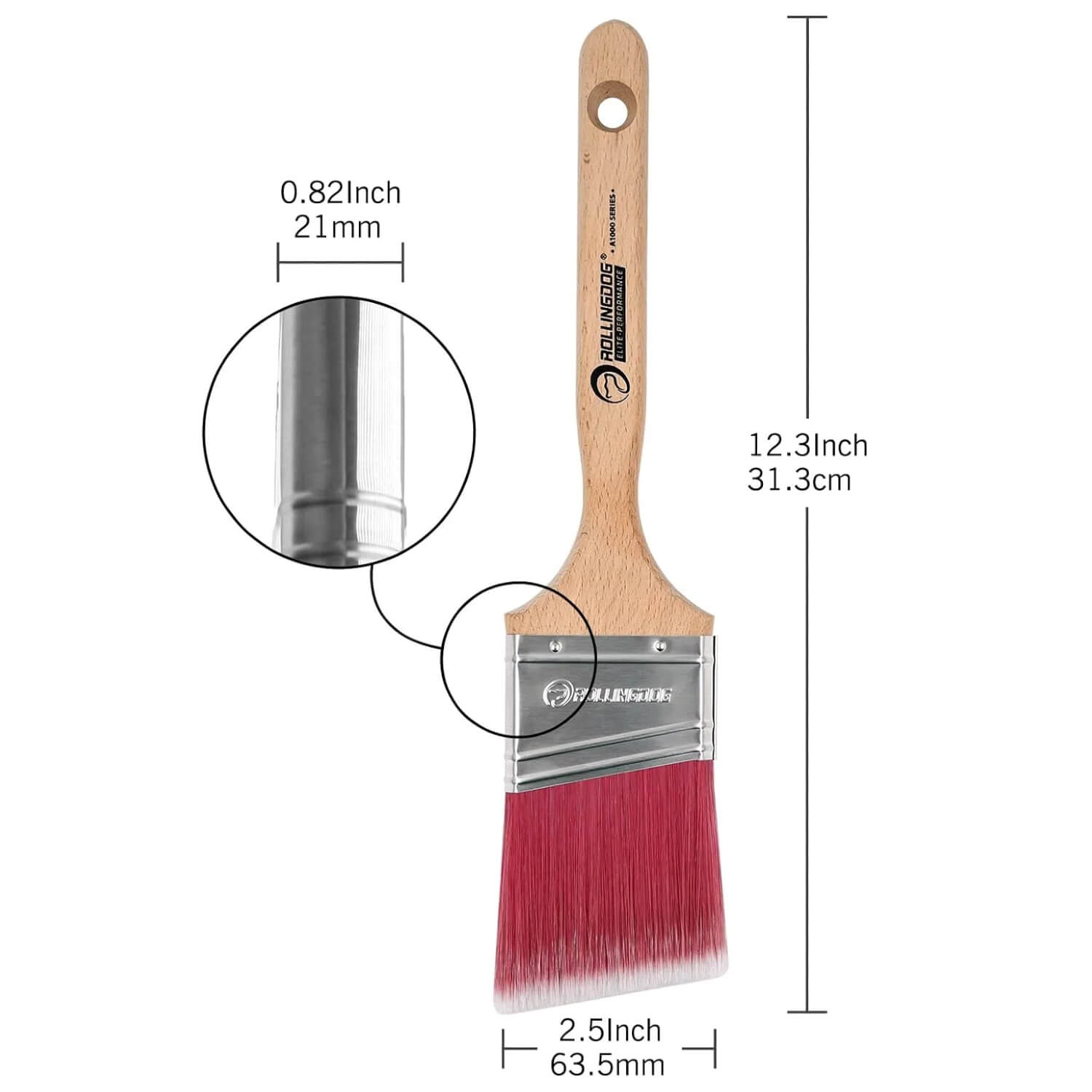
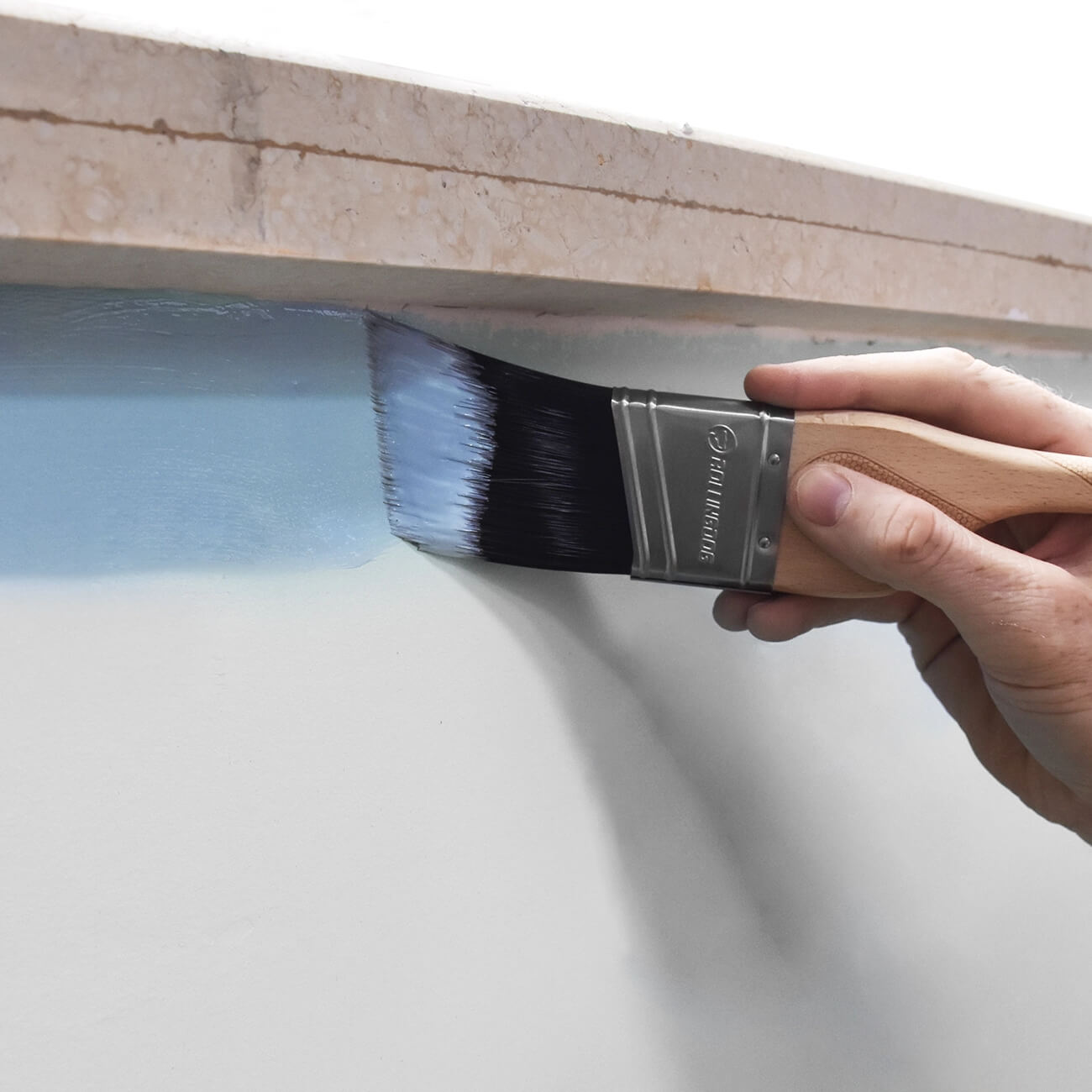
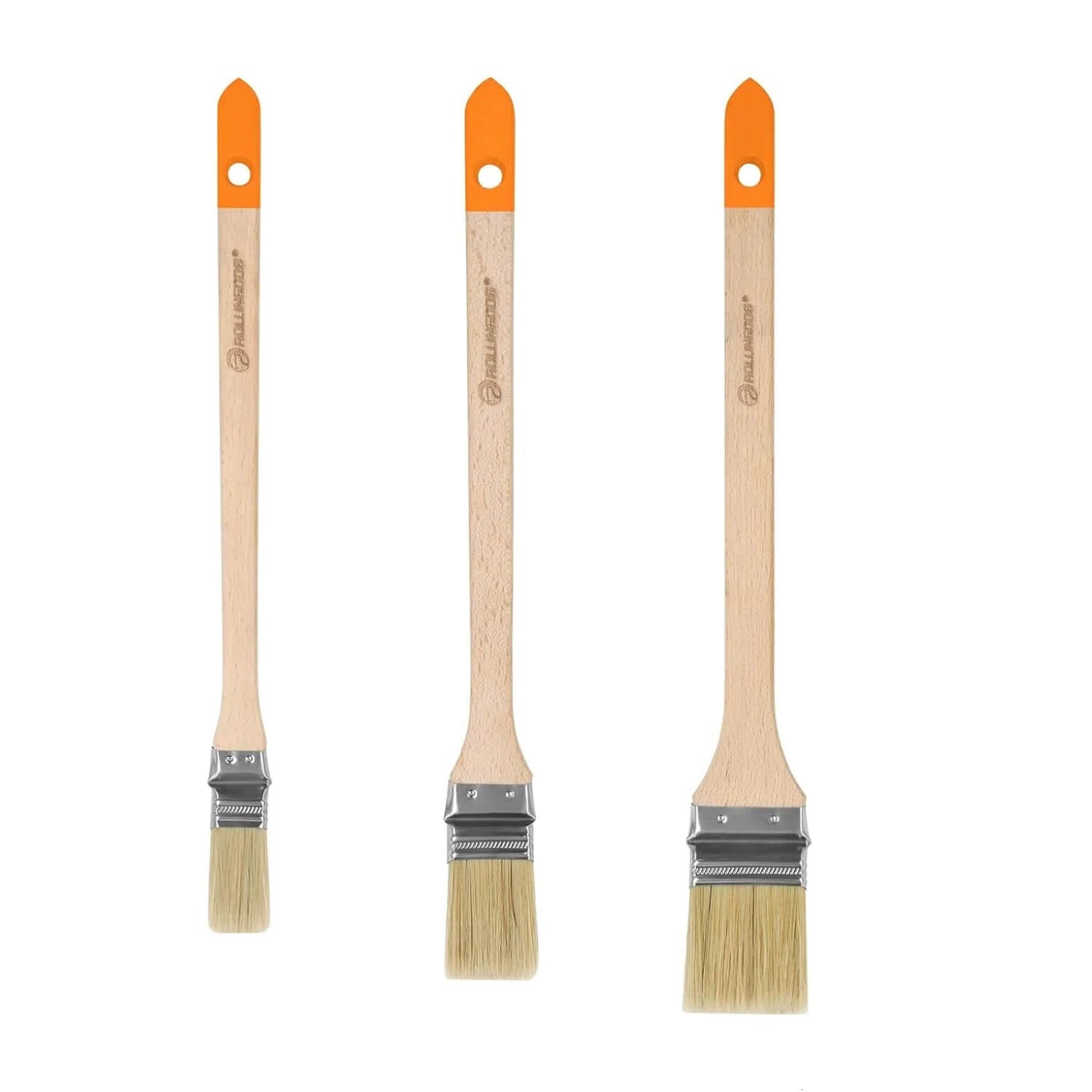
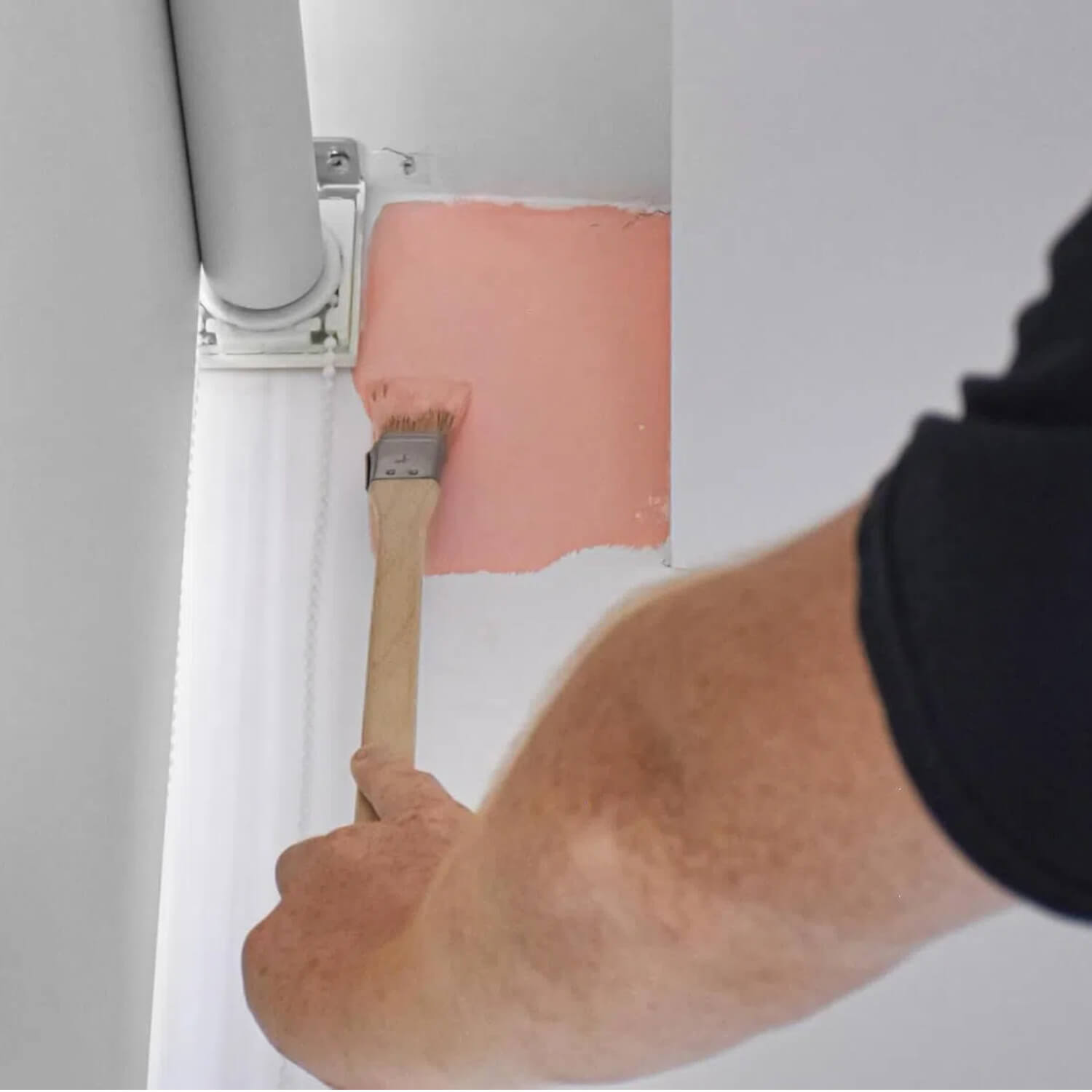
| Walls and ceilings | Angled Brush | Easier to guide along long edges |
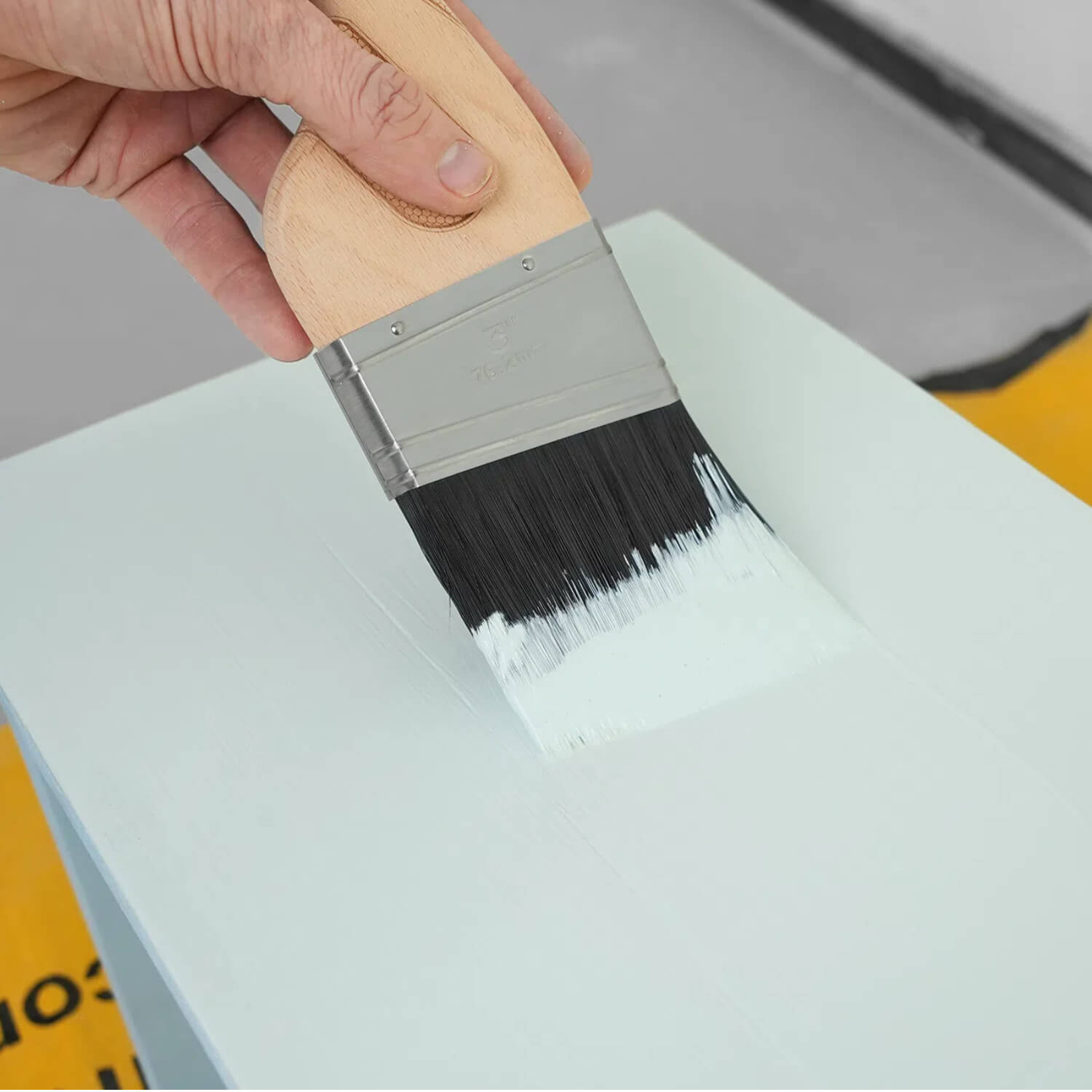
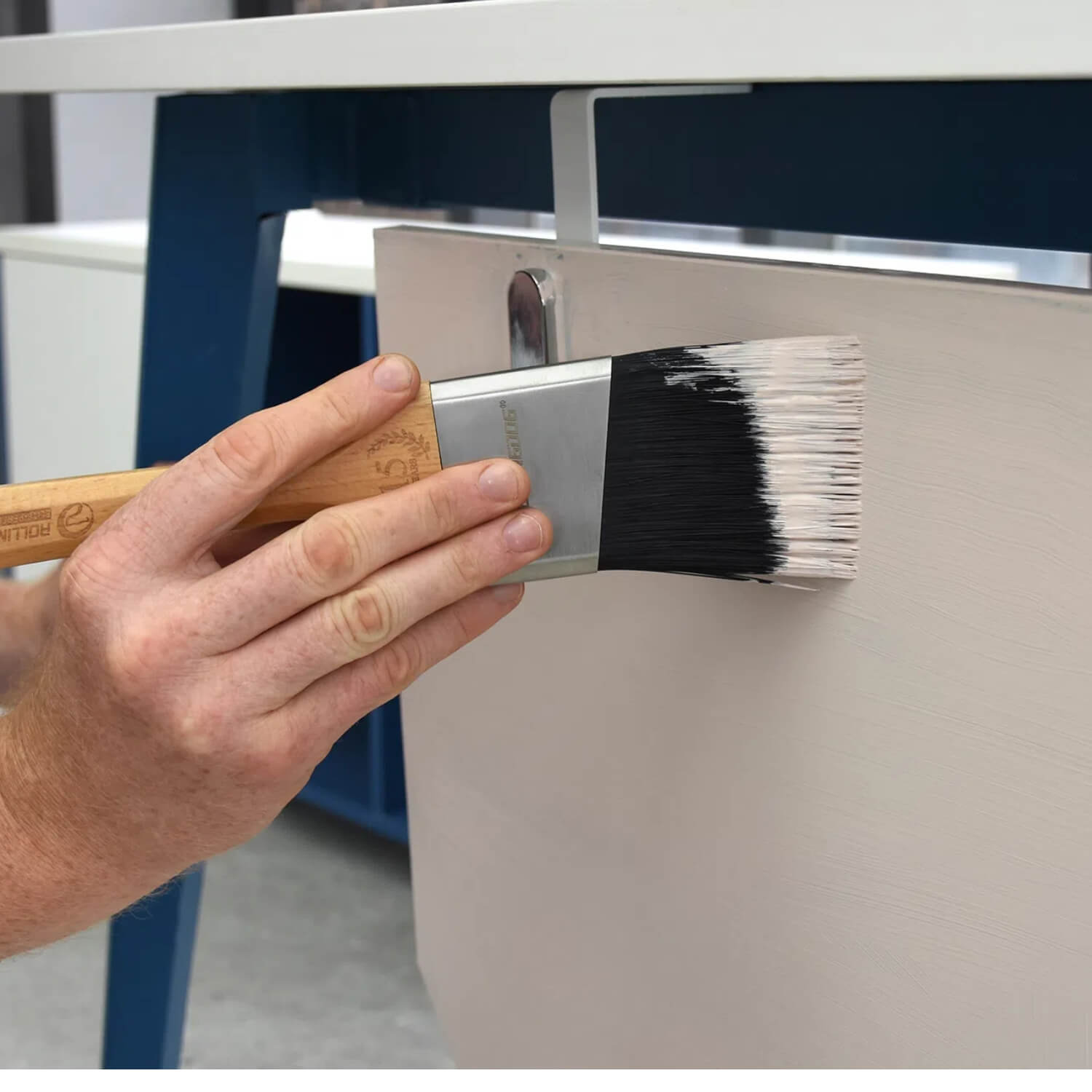
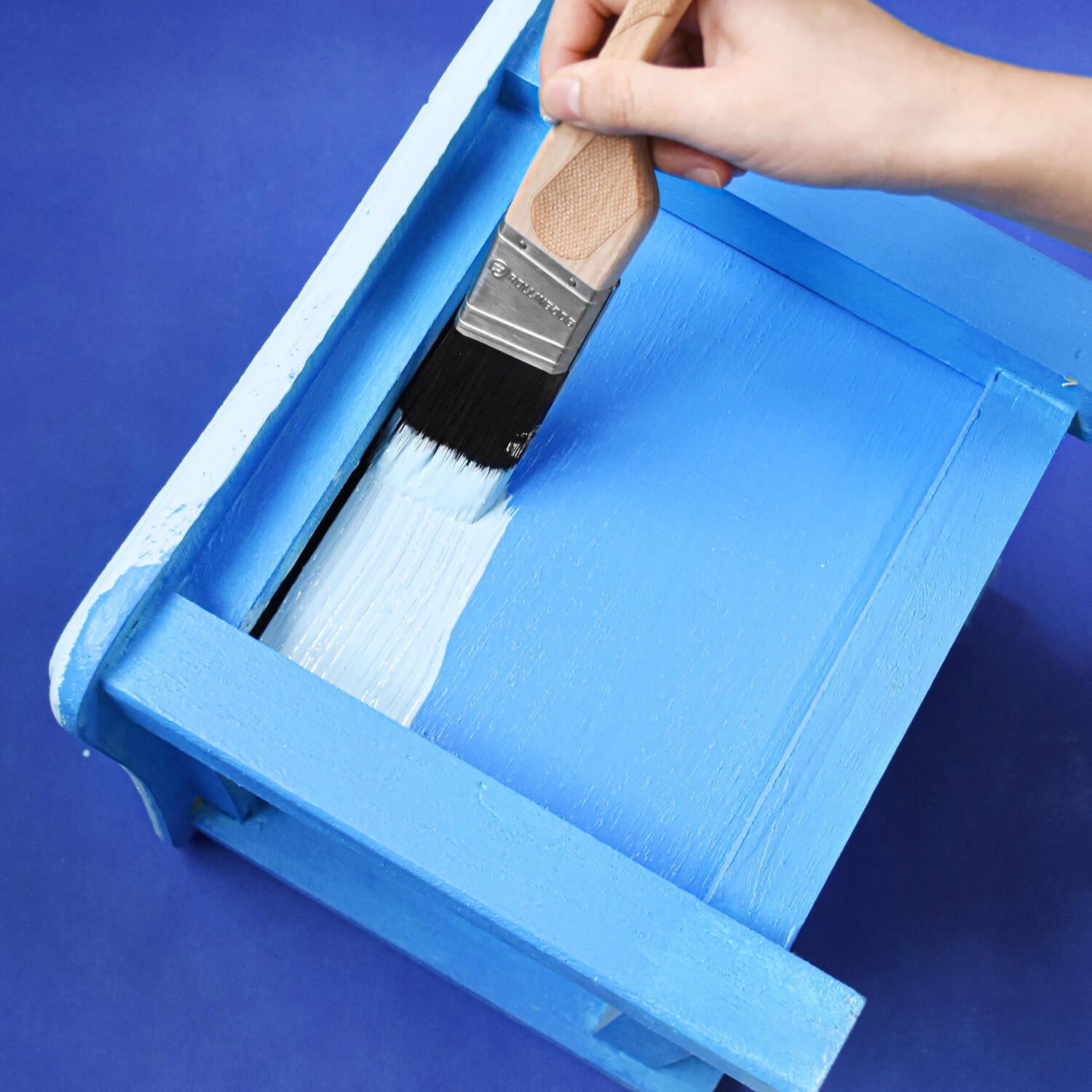
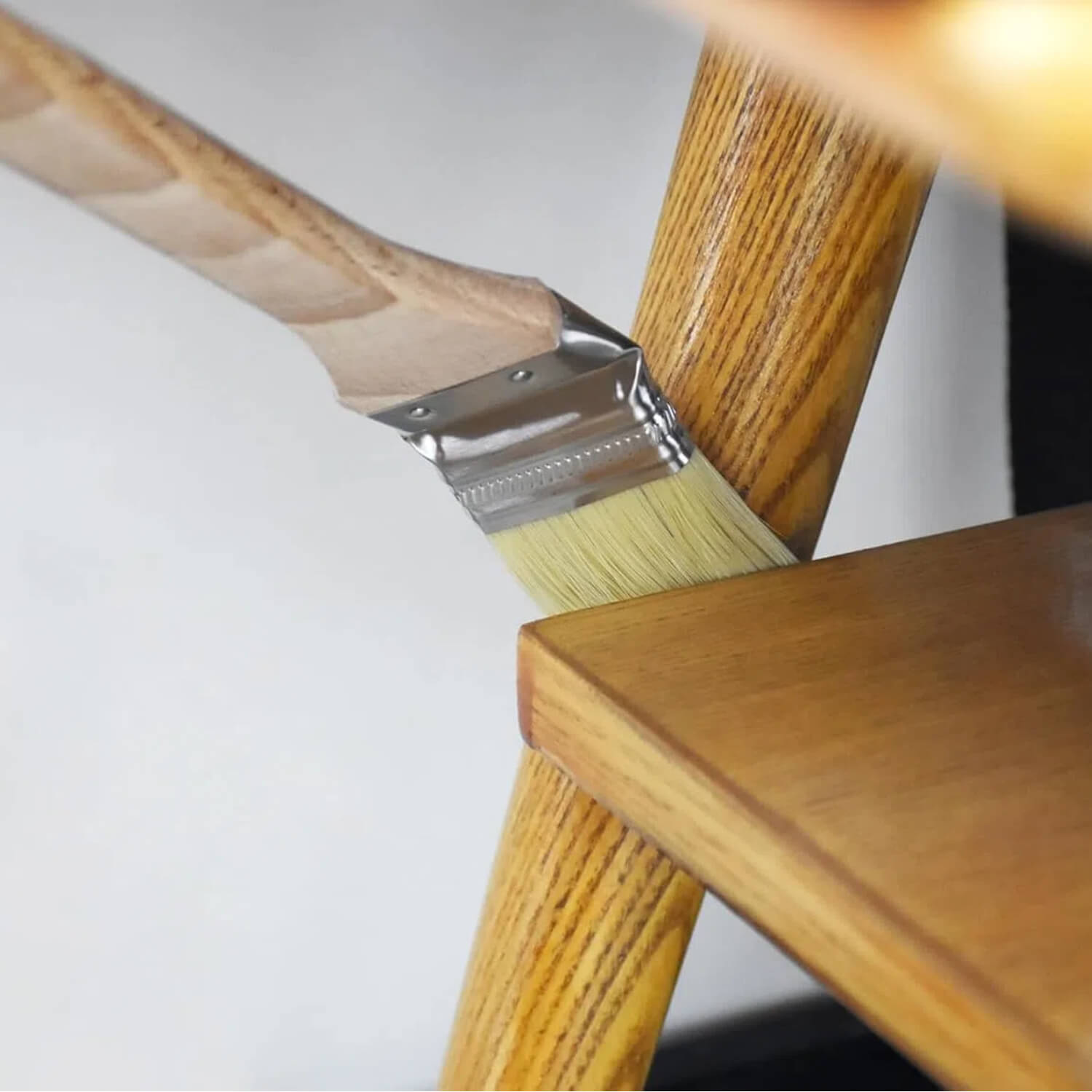
| Furniture | Angled Brush | Better control for corners |
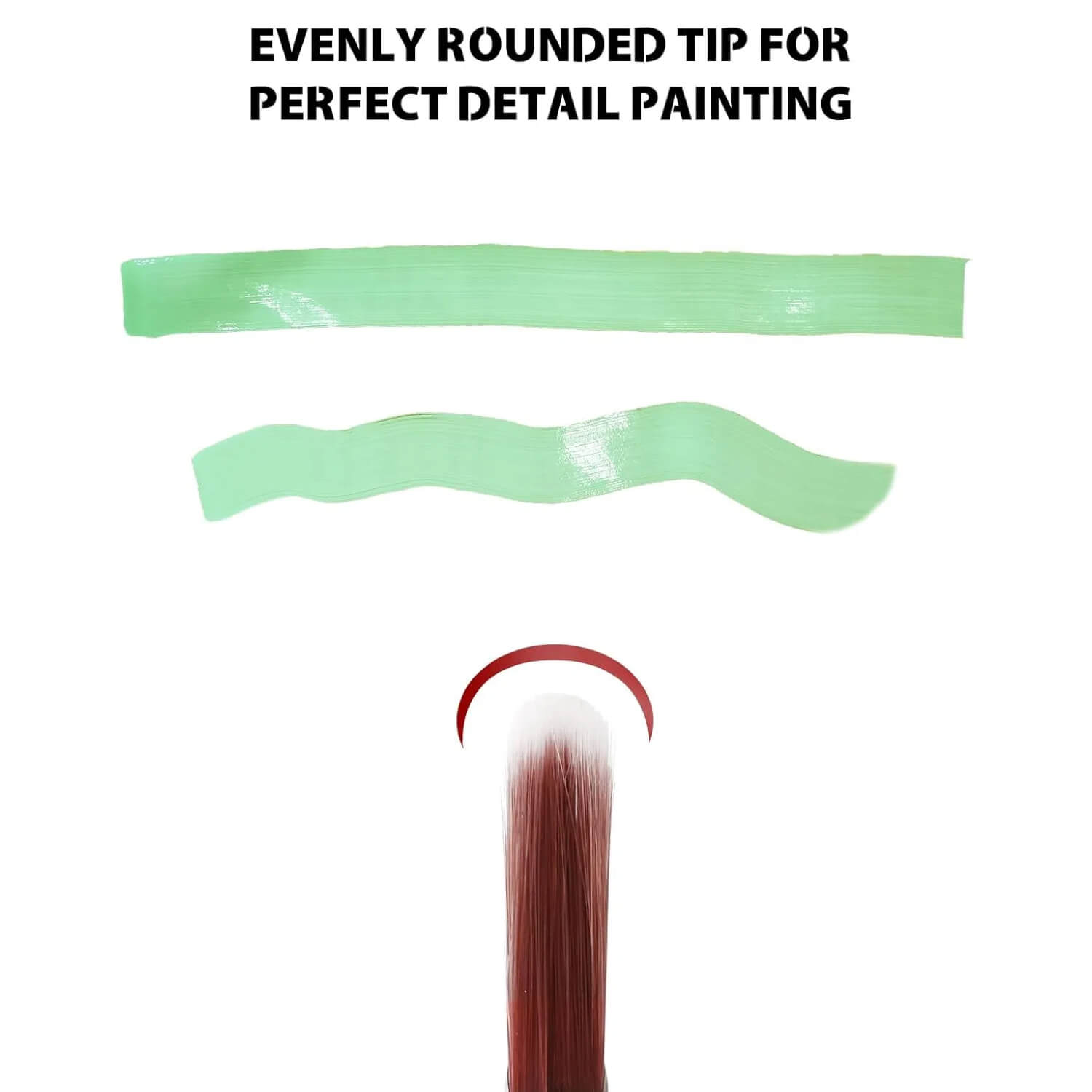
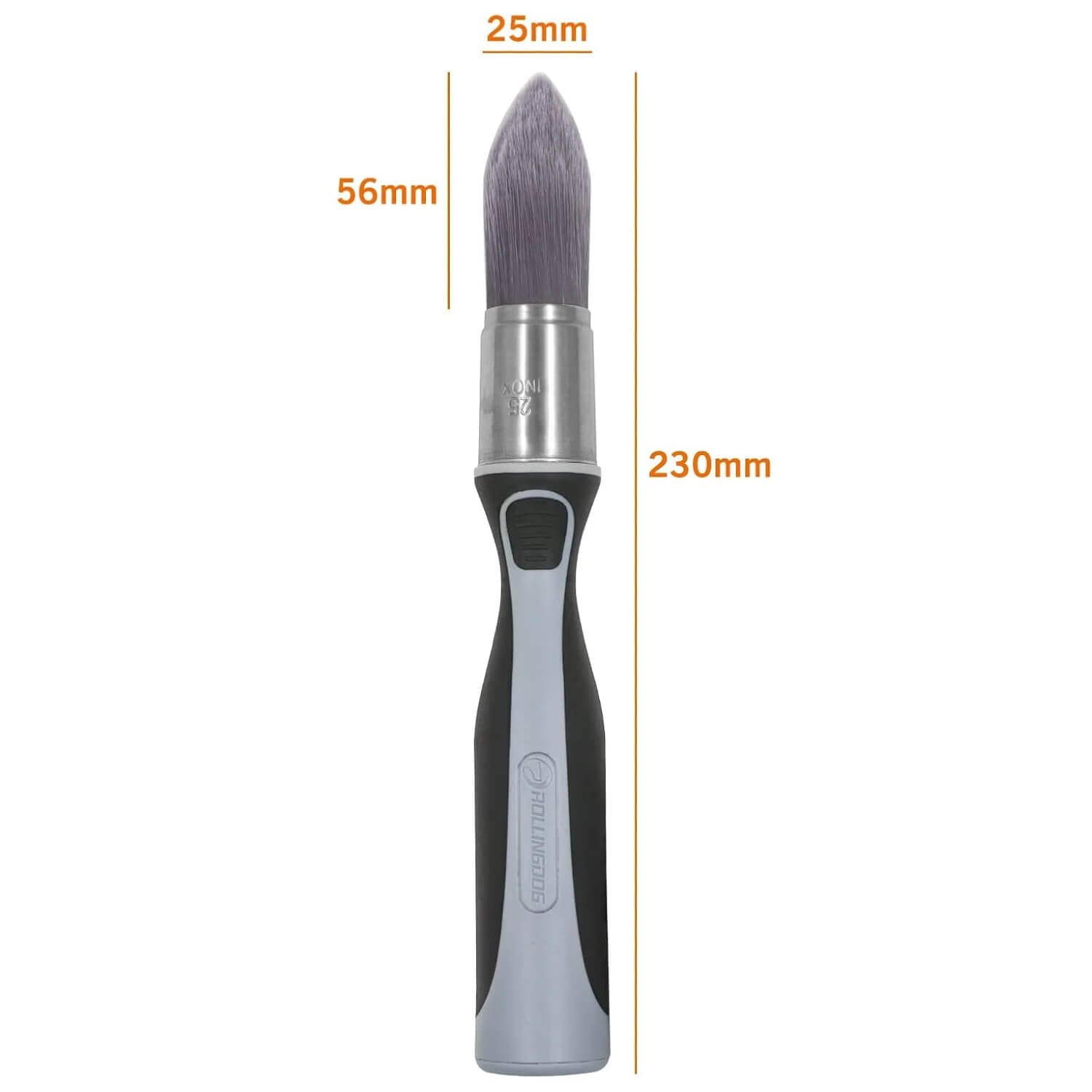
| Window and door frames | Trim & Detail Brush | Higher precision in narrow spaces |
|
Baseboards and decorative trim
|
Trim & Detail Brush | Better accuracy for detailed work |
Understanding these scenarios helps you select the right brush before starting your painting project.
Recommended Brushes for Cutting In
Based on the cutting-in scenarios above, the following brushes are commonly used to achieve clean paint lines.
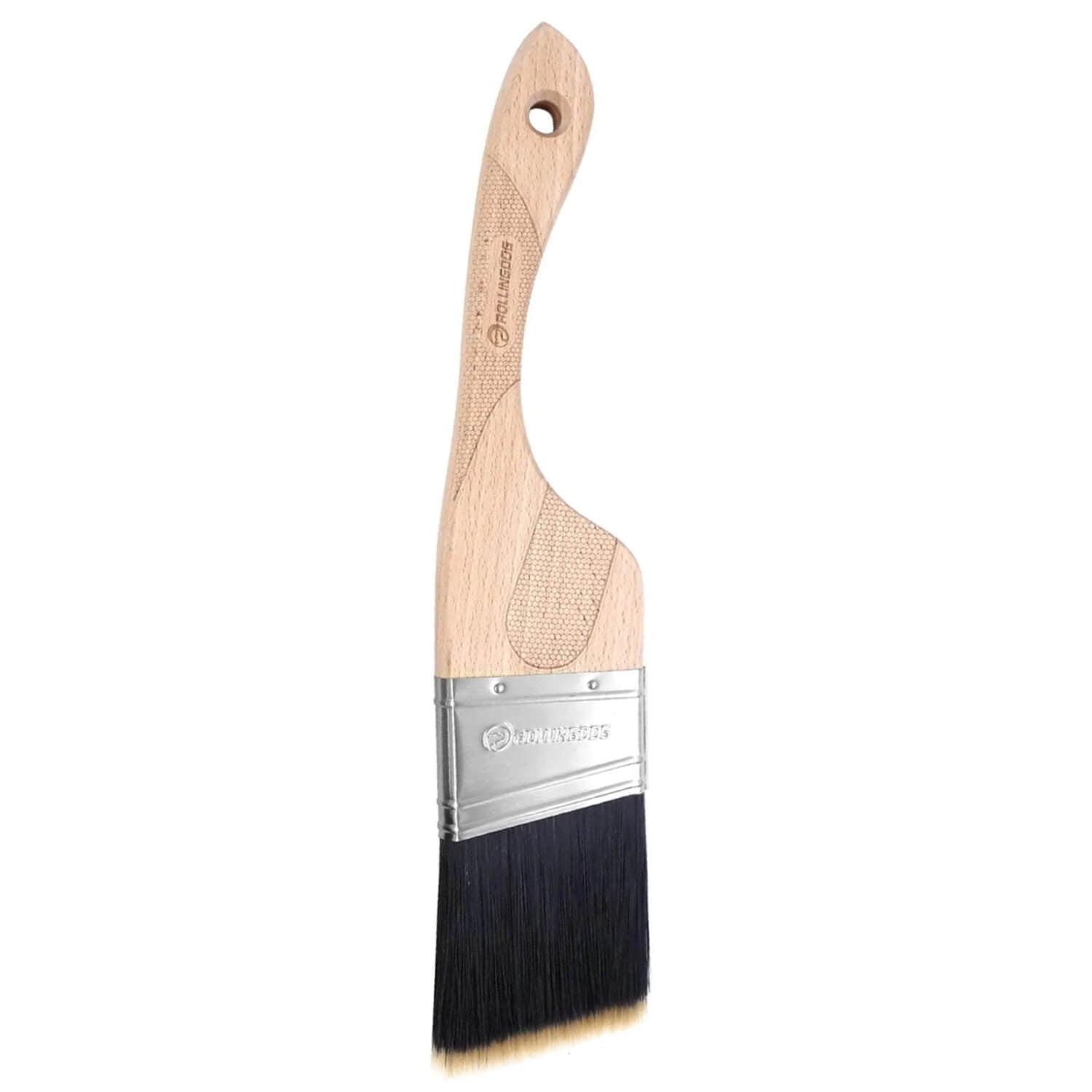
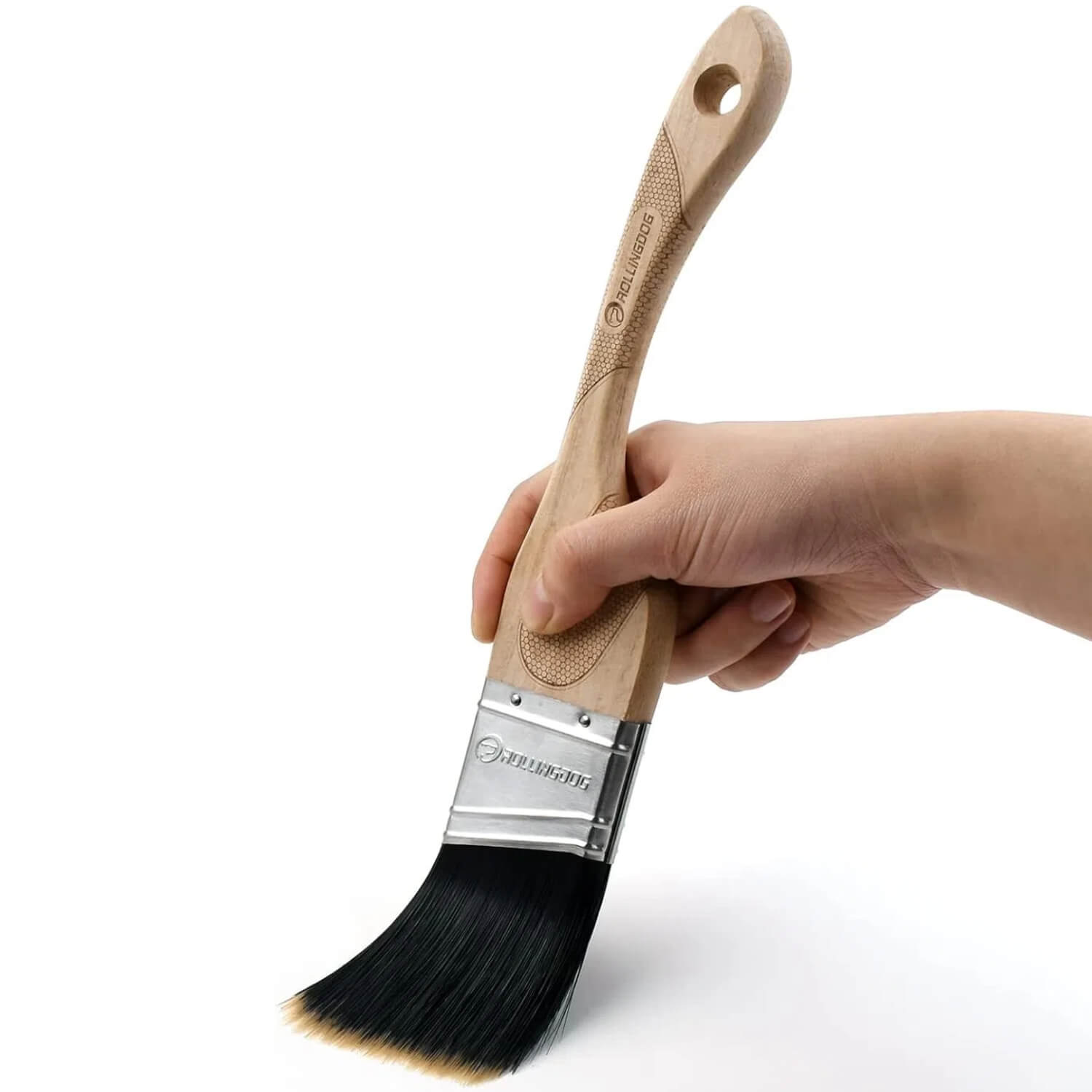
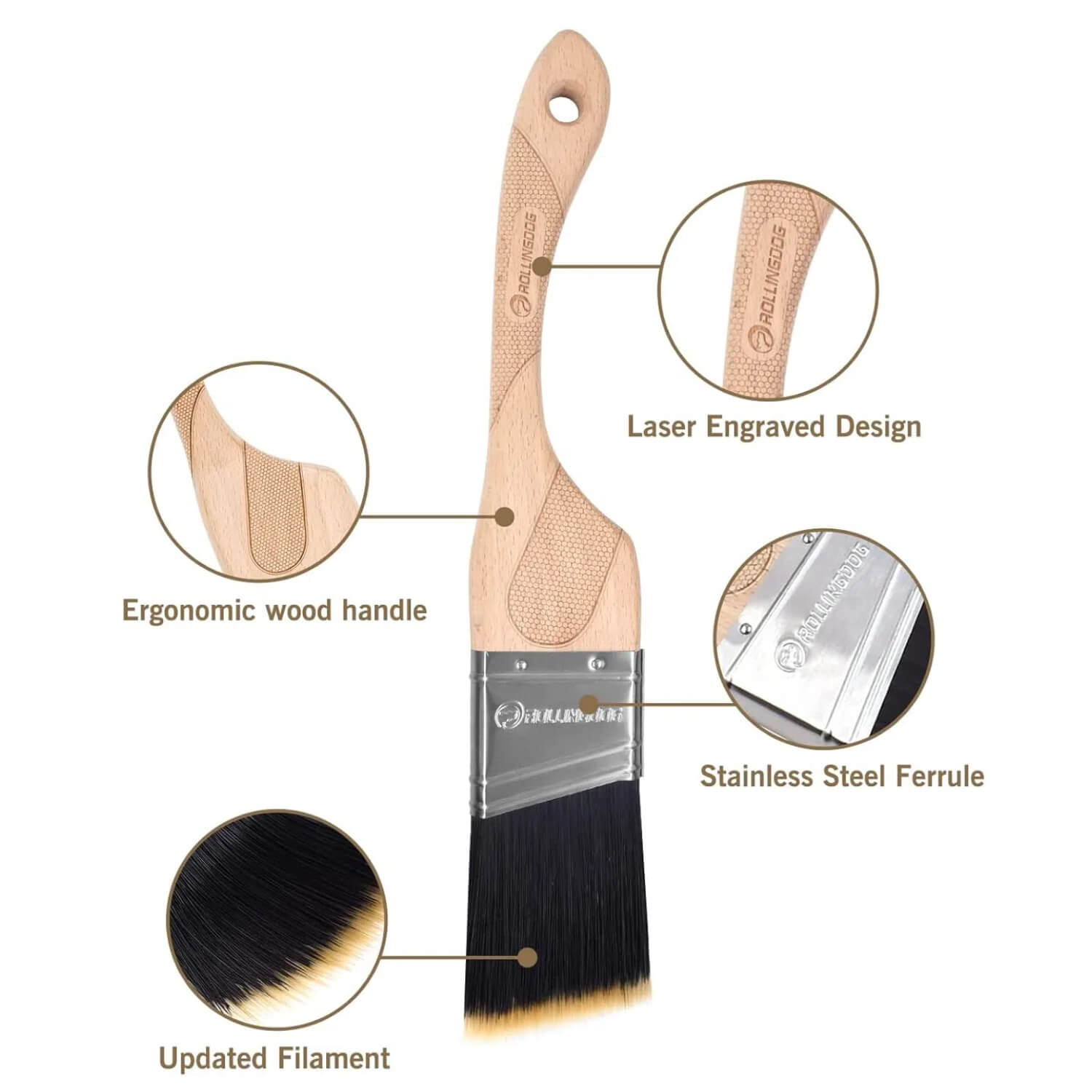
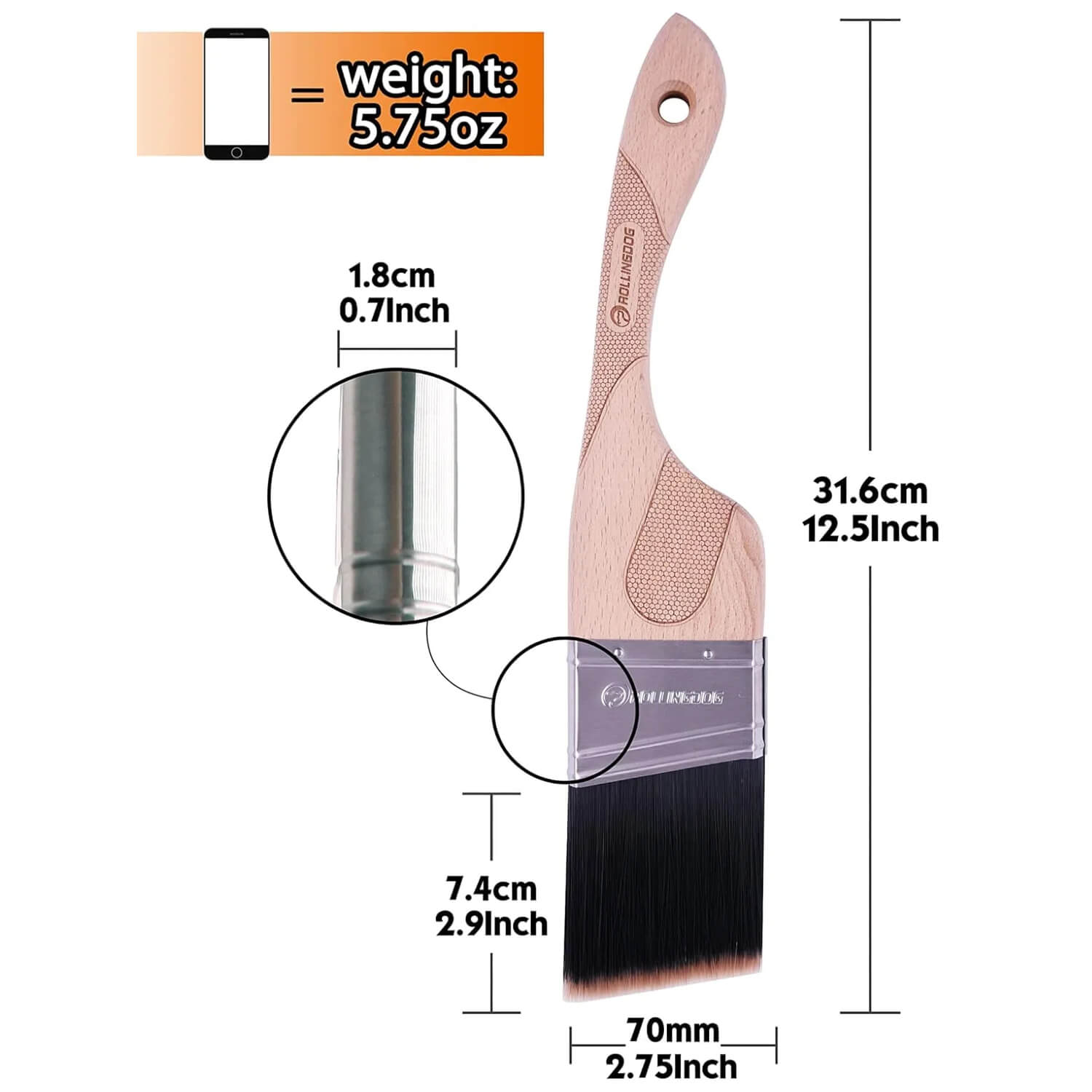
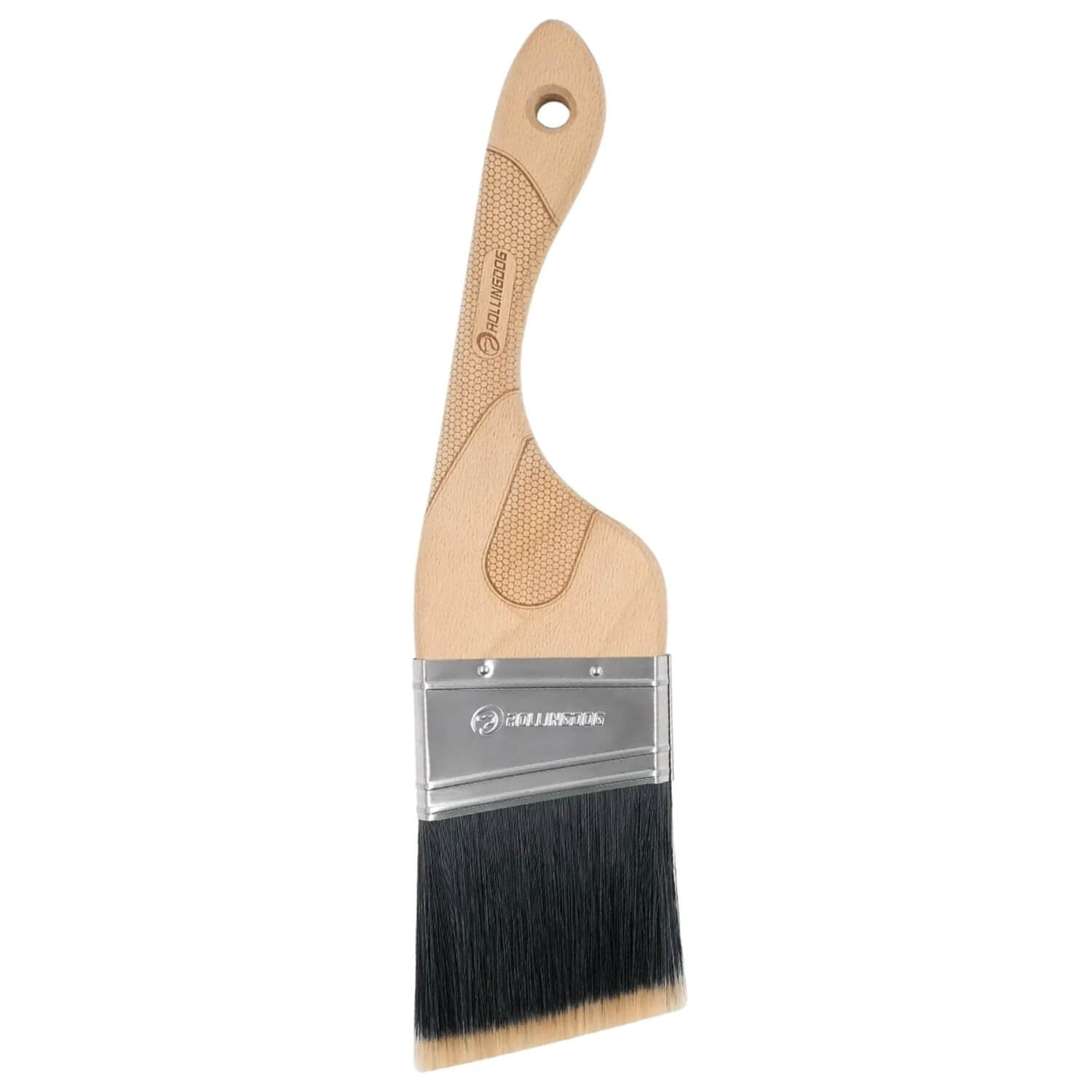
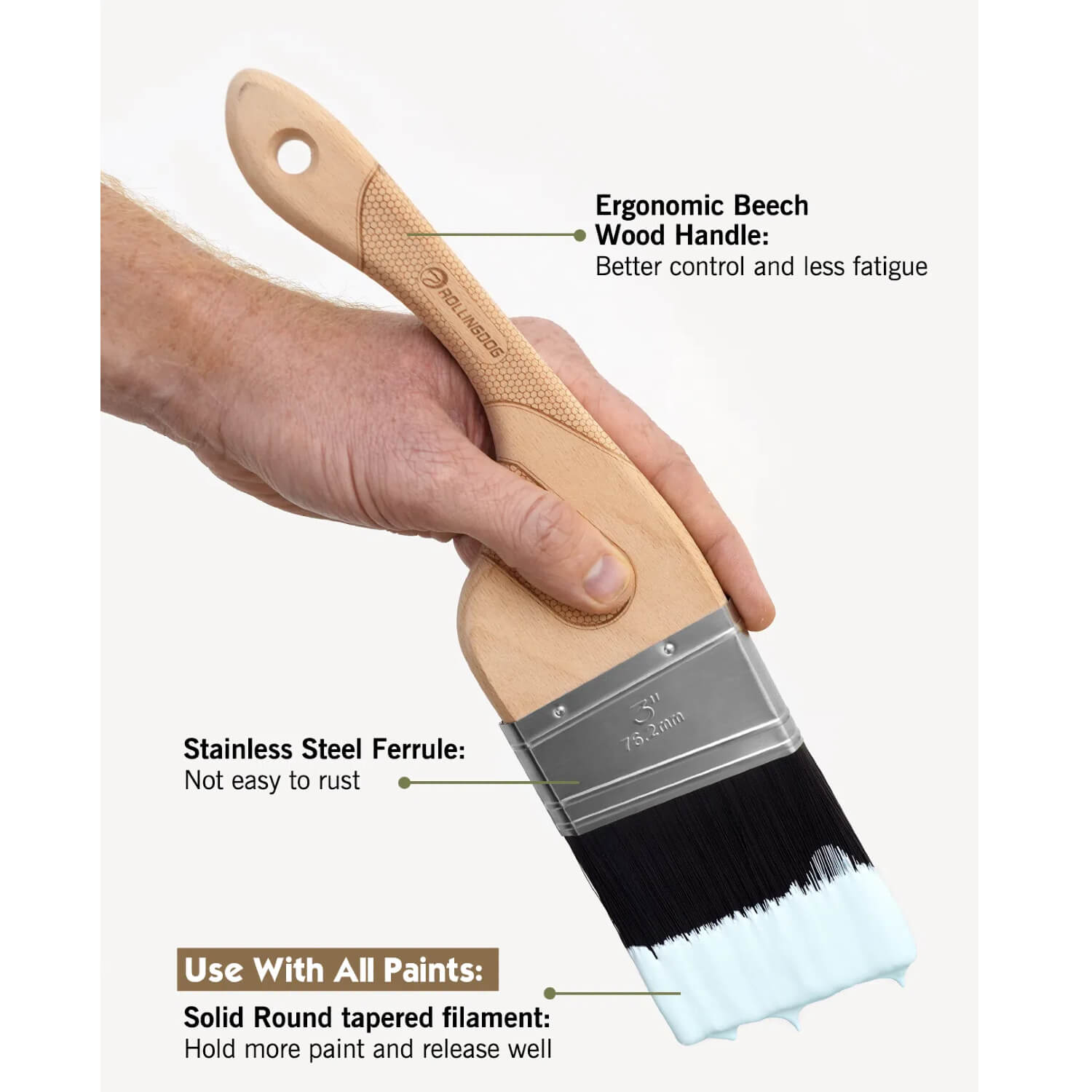
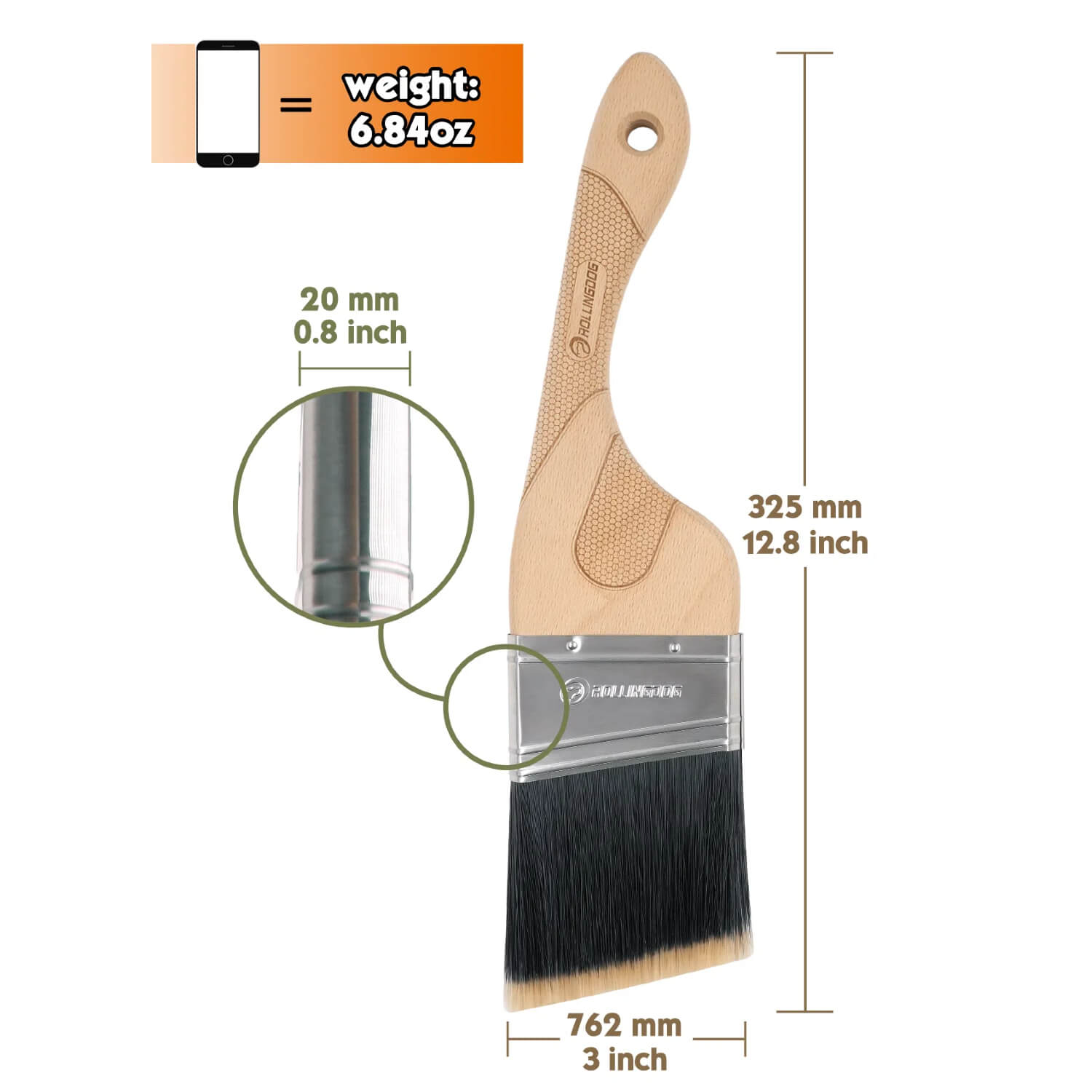
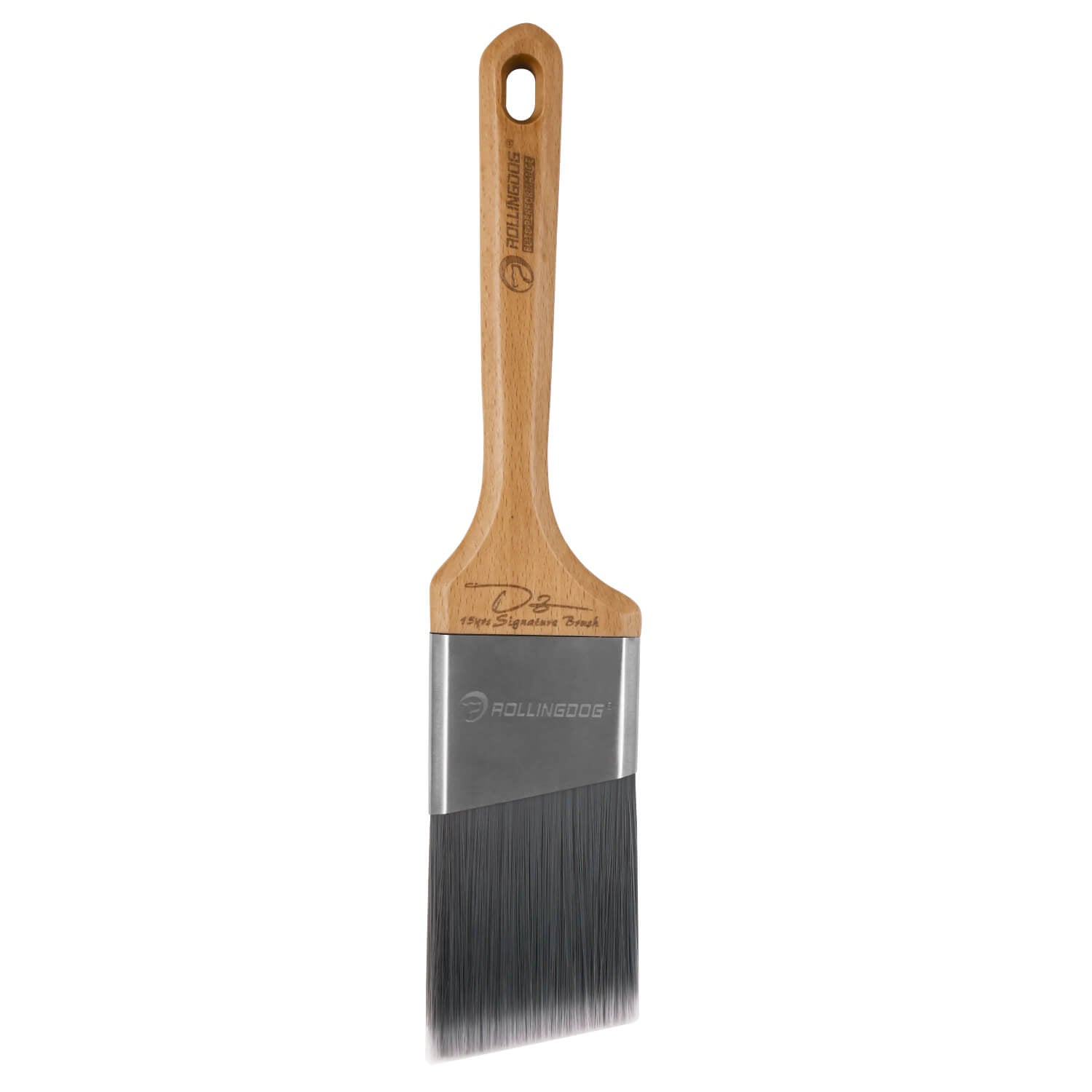
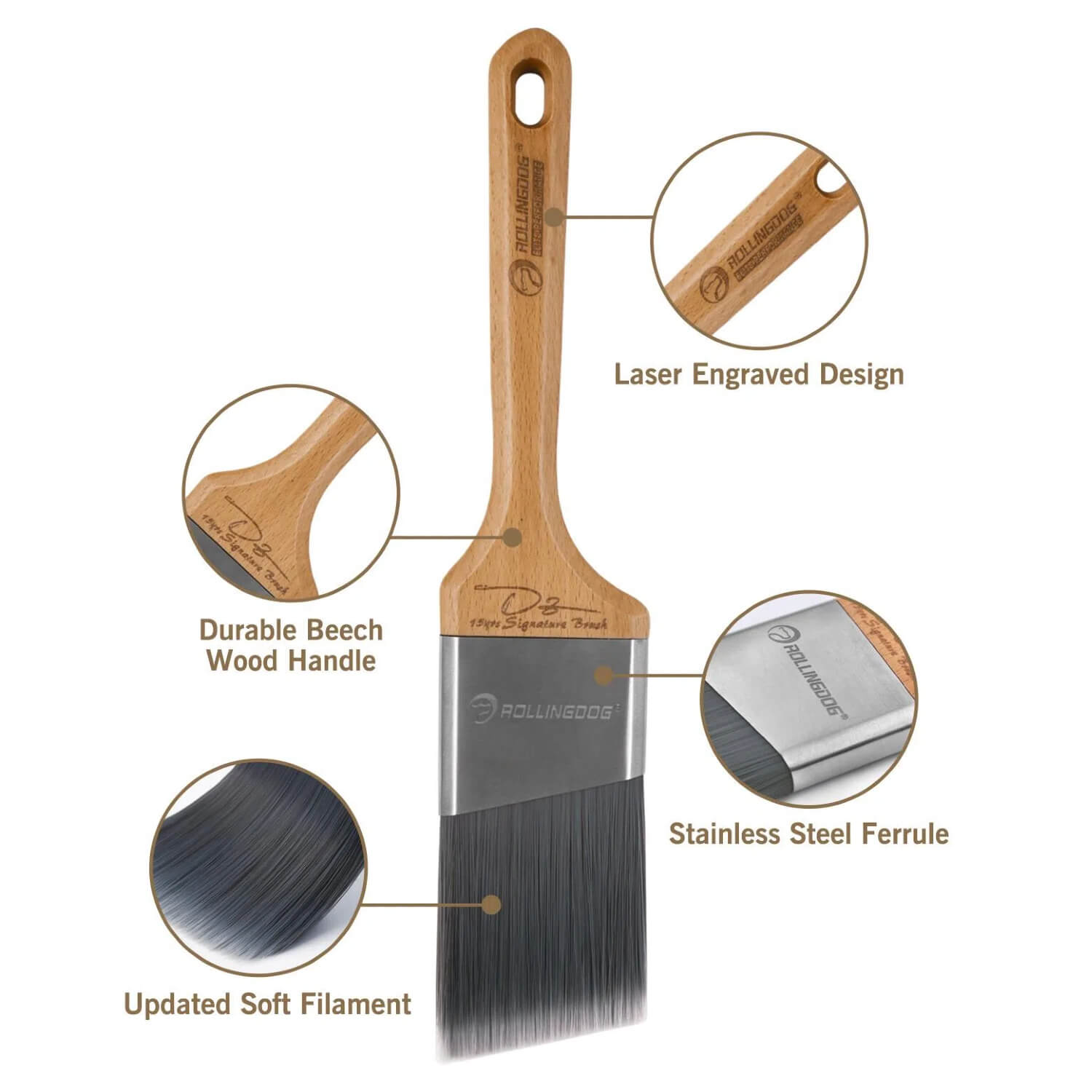
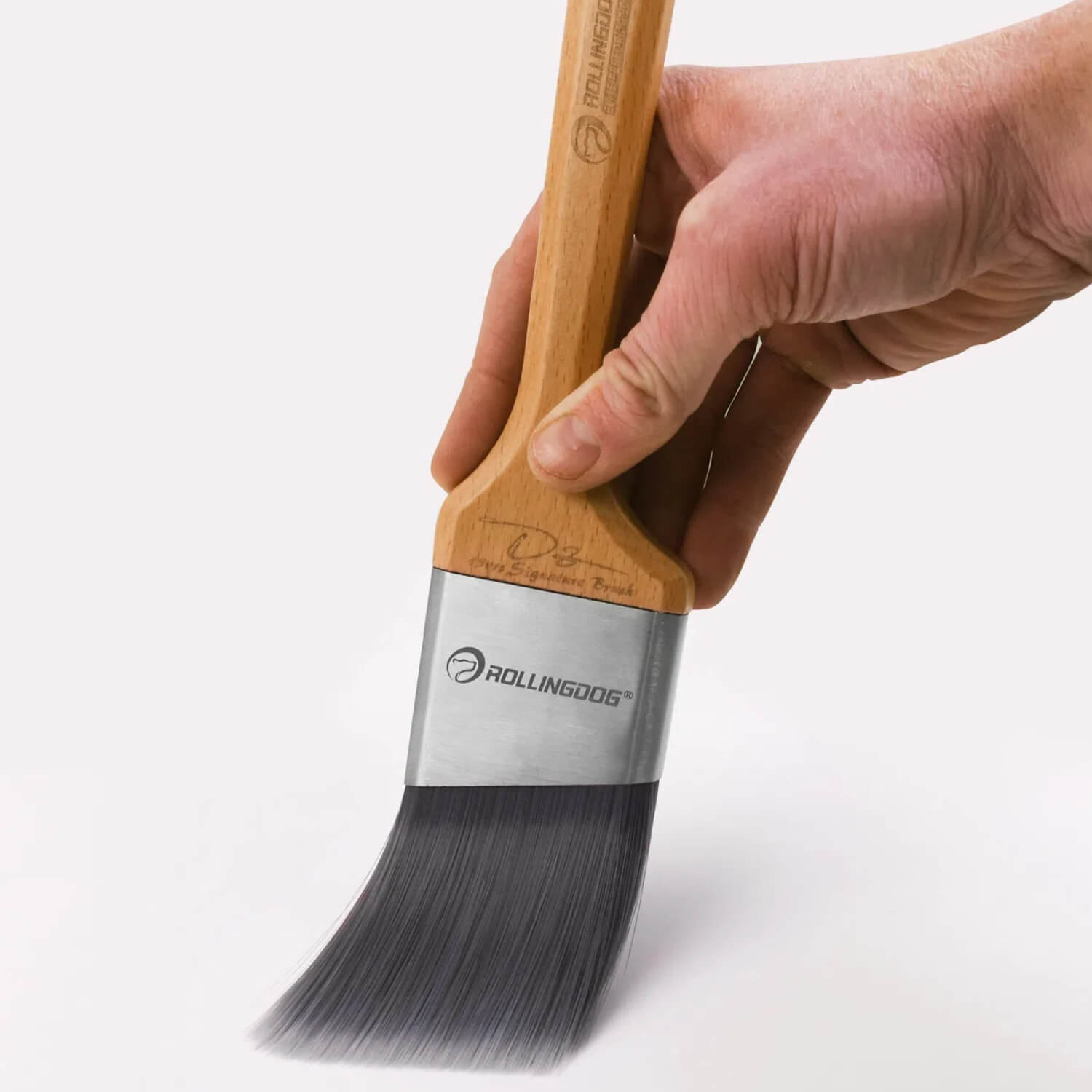
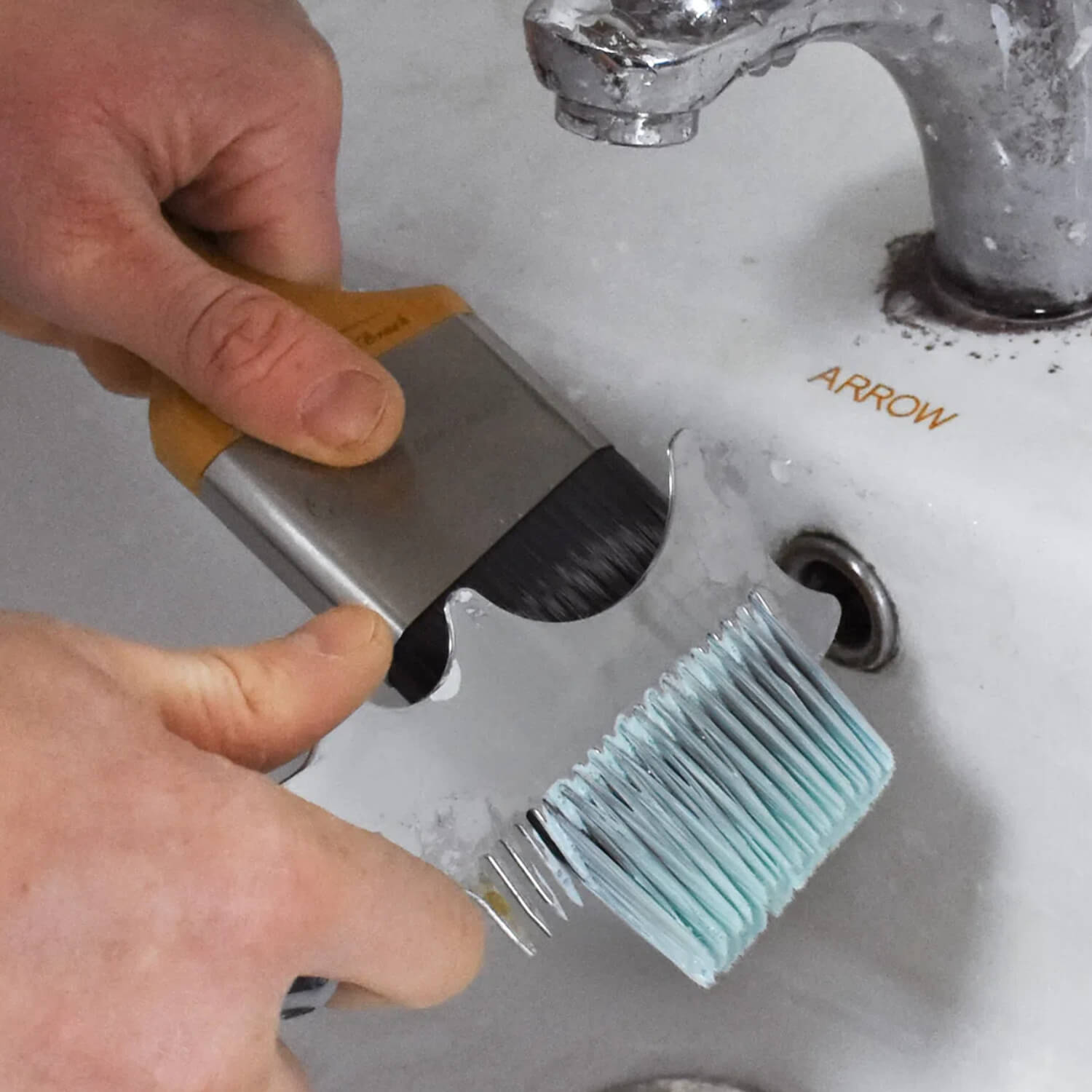
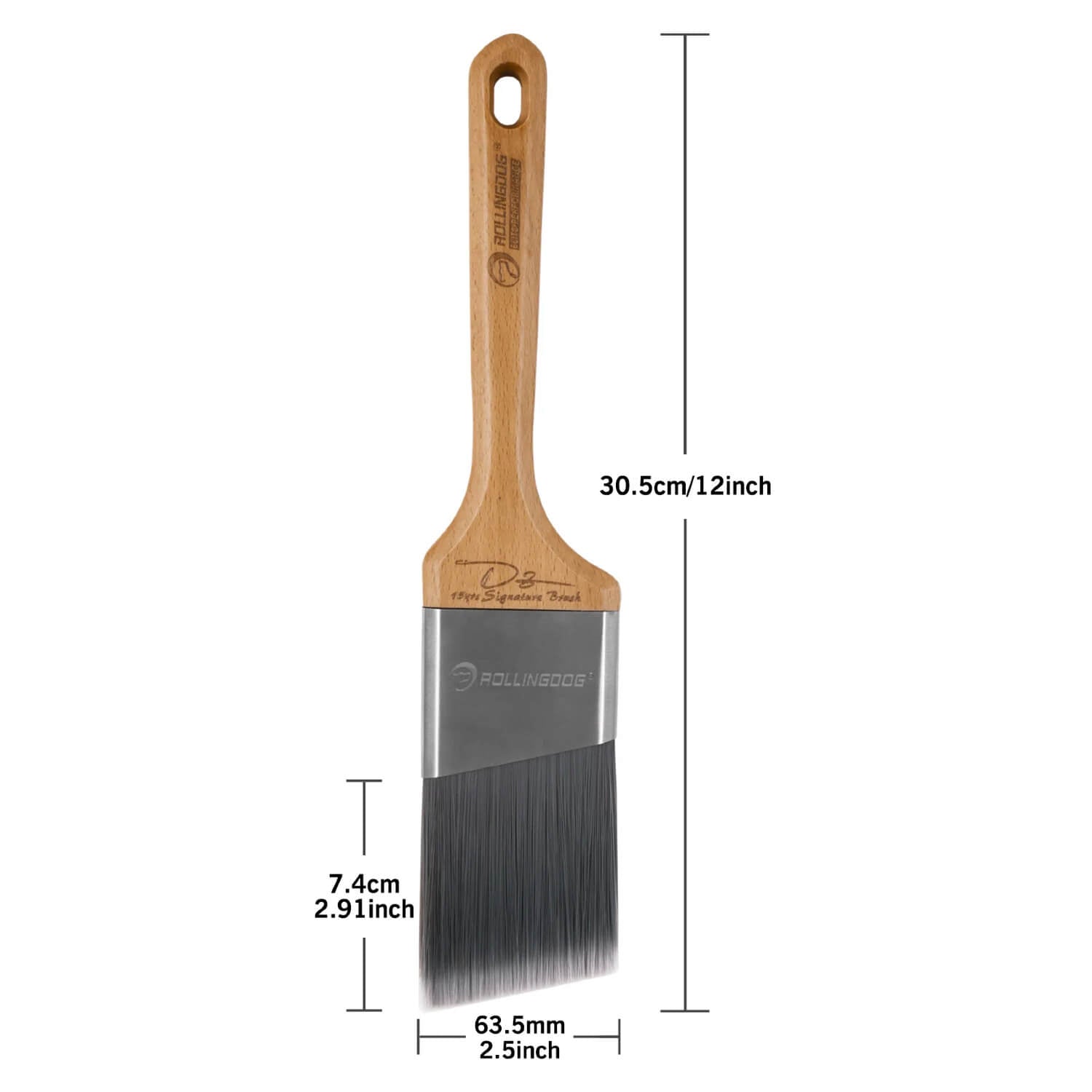
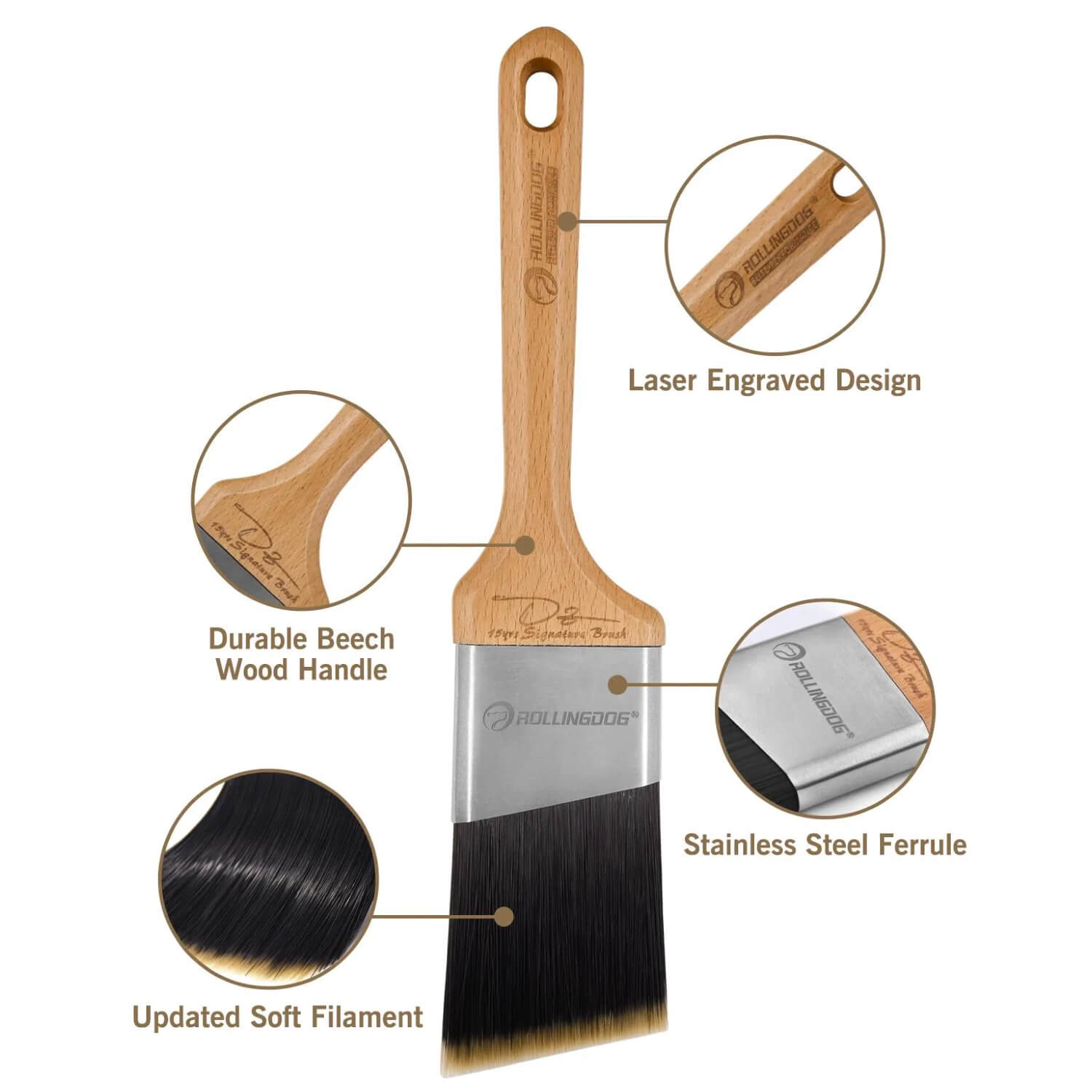
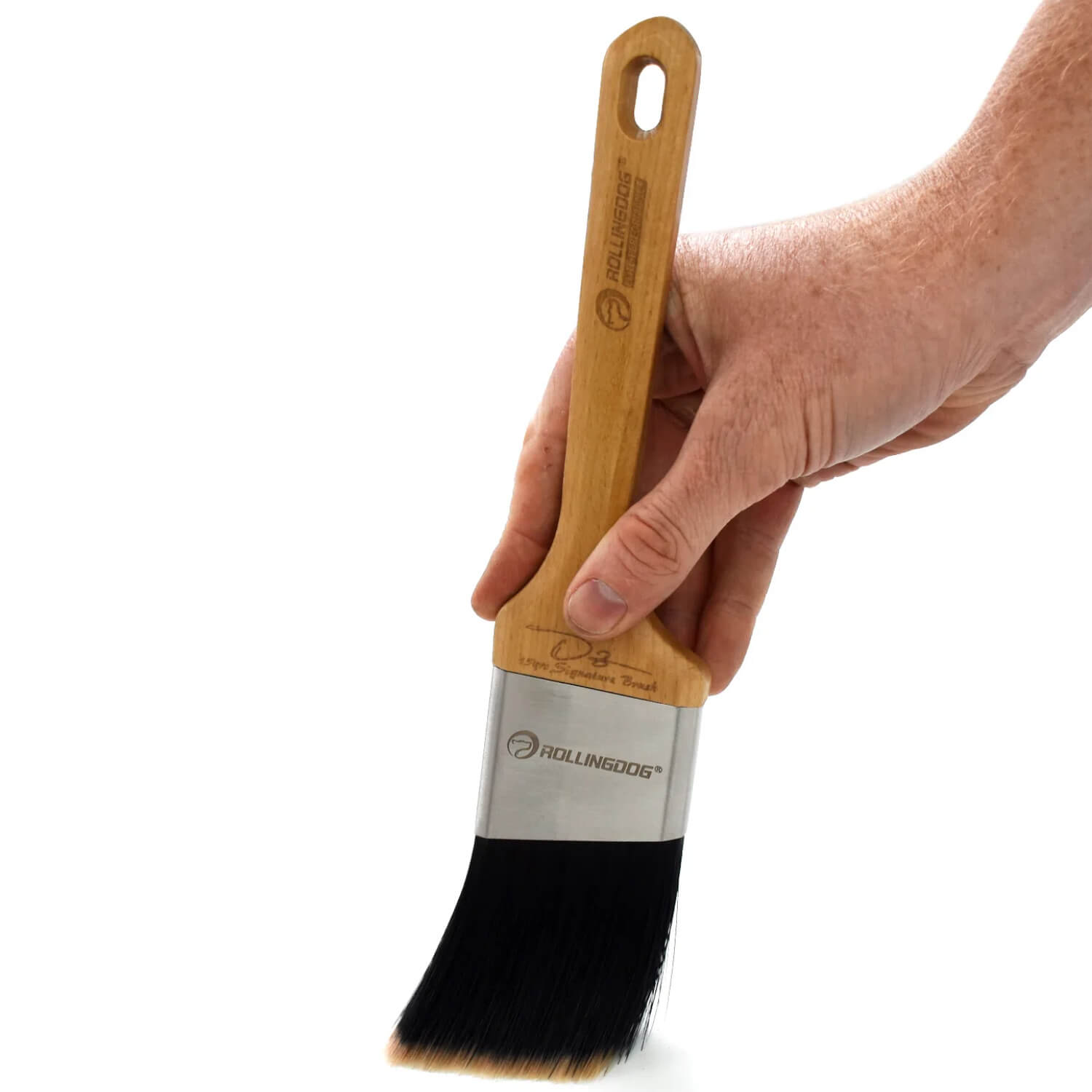
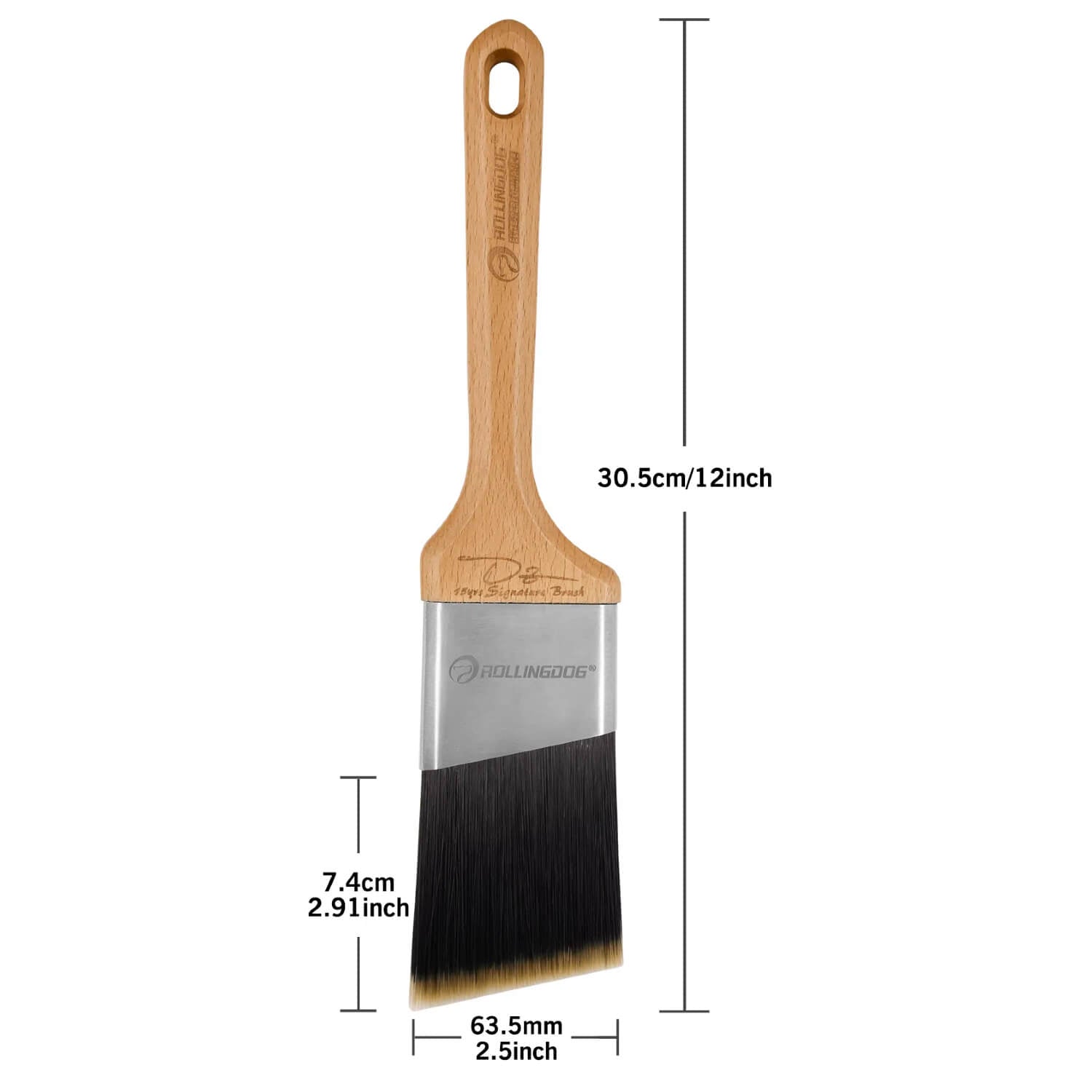
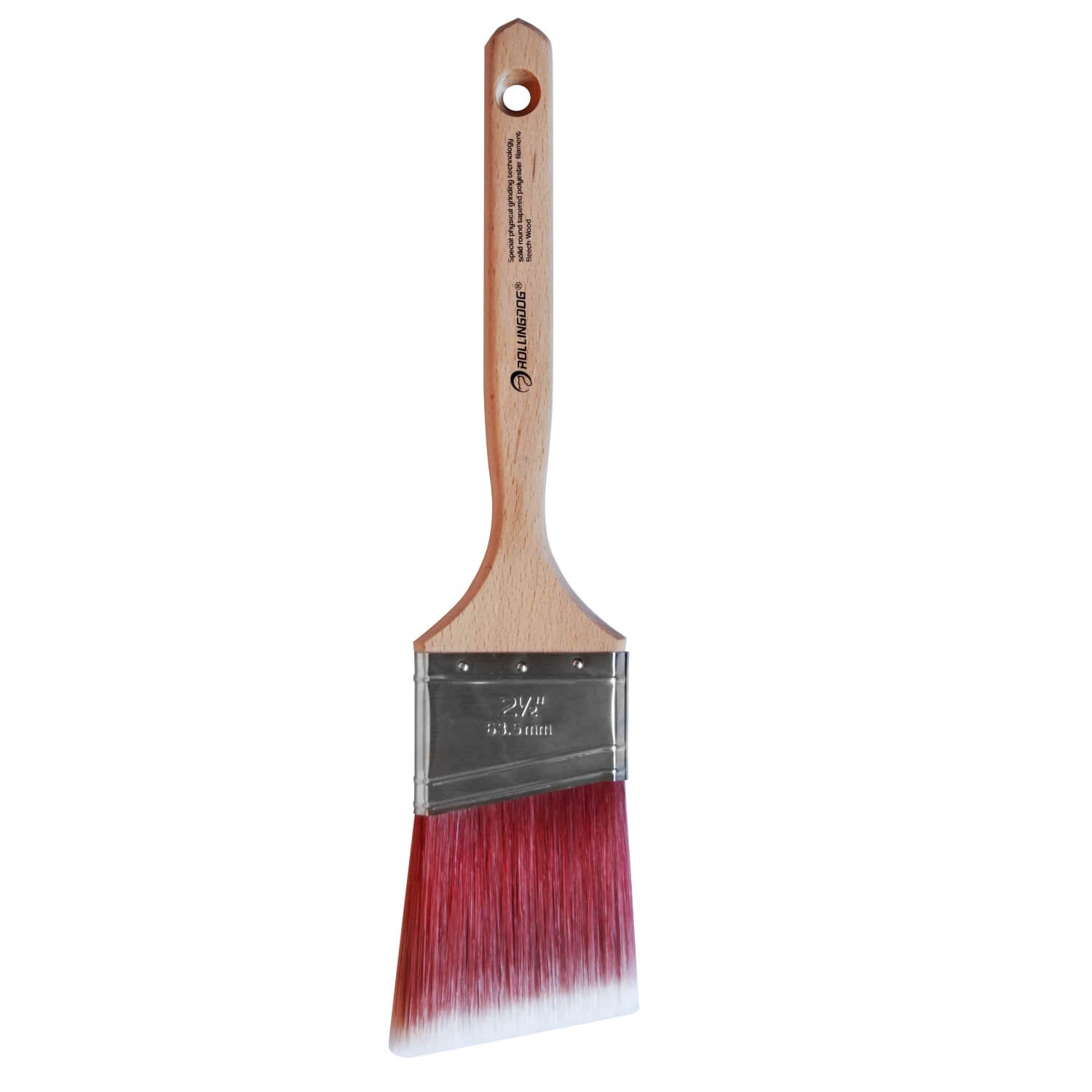
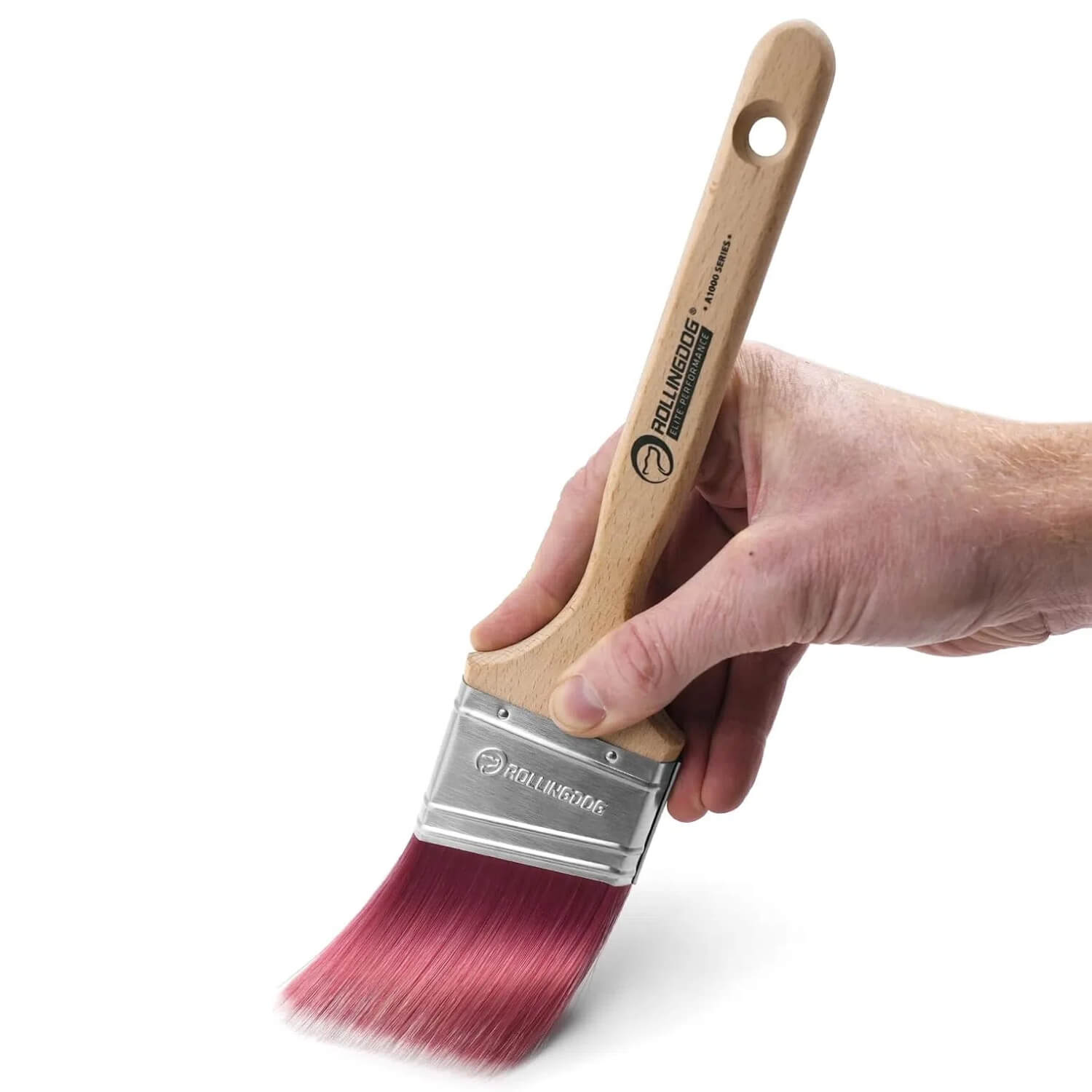
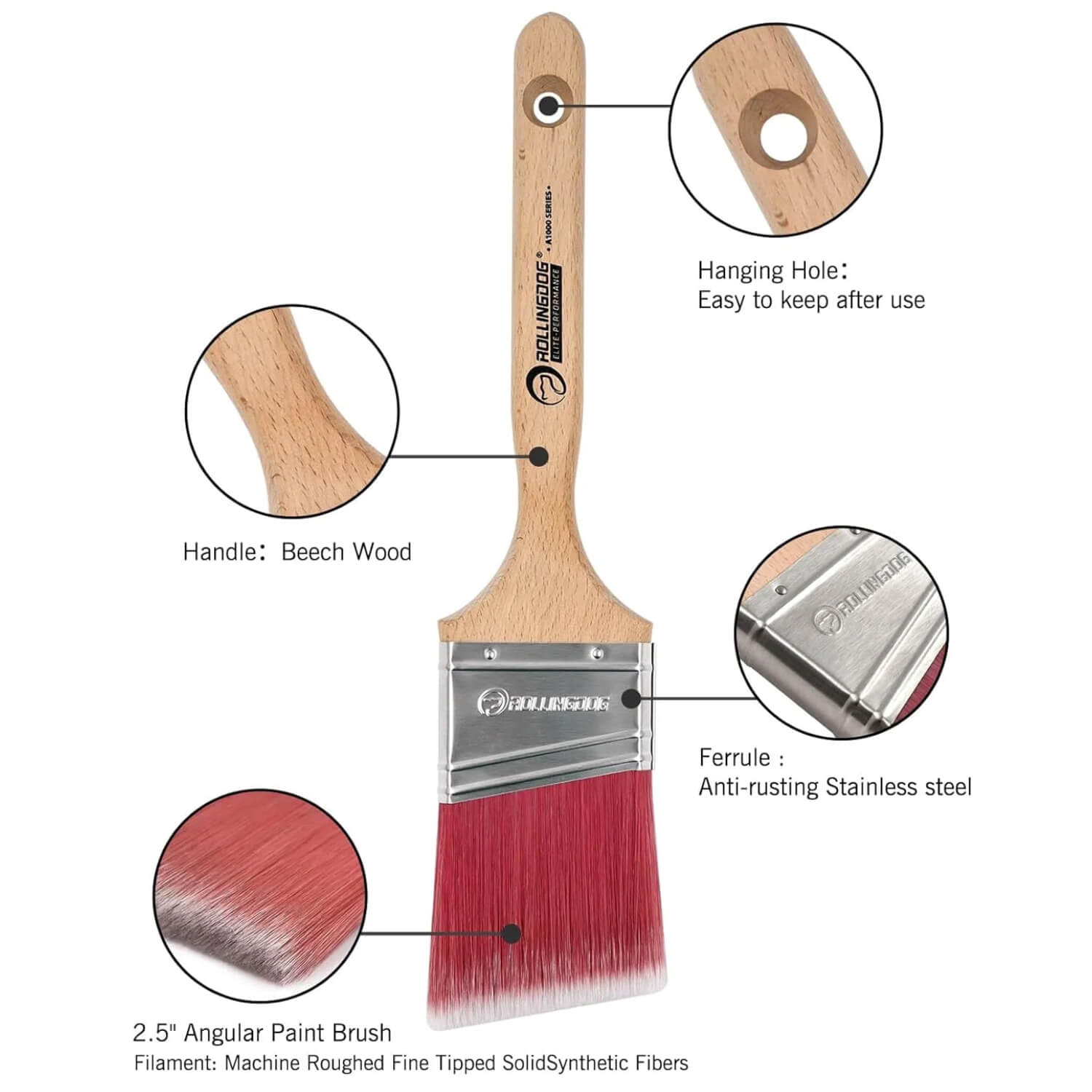
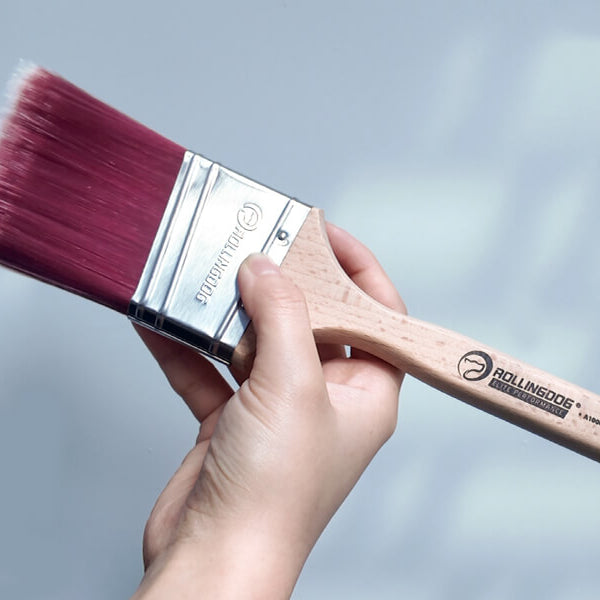
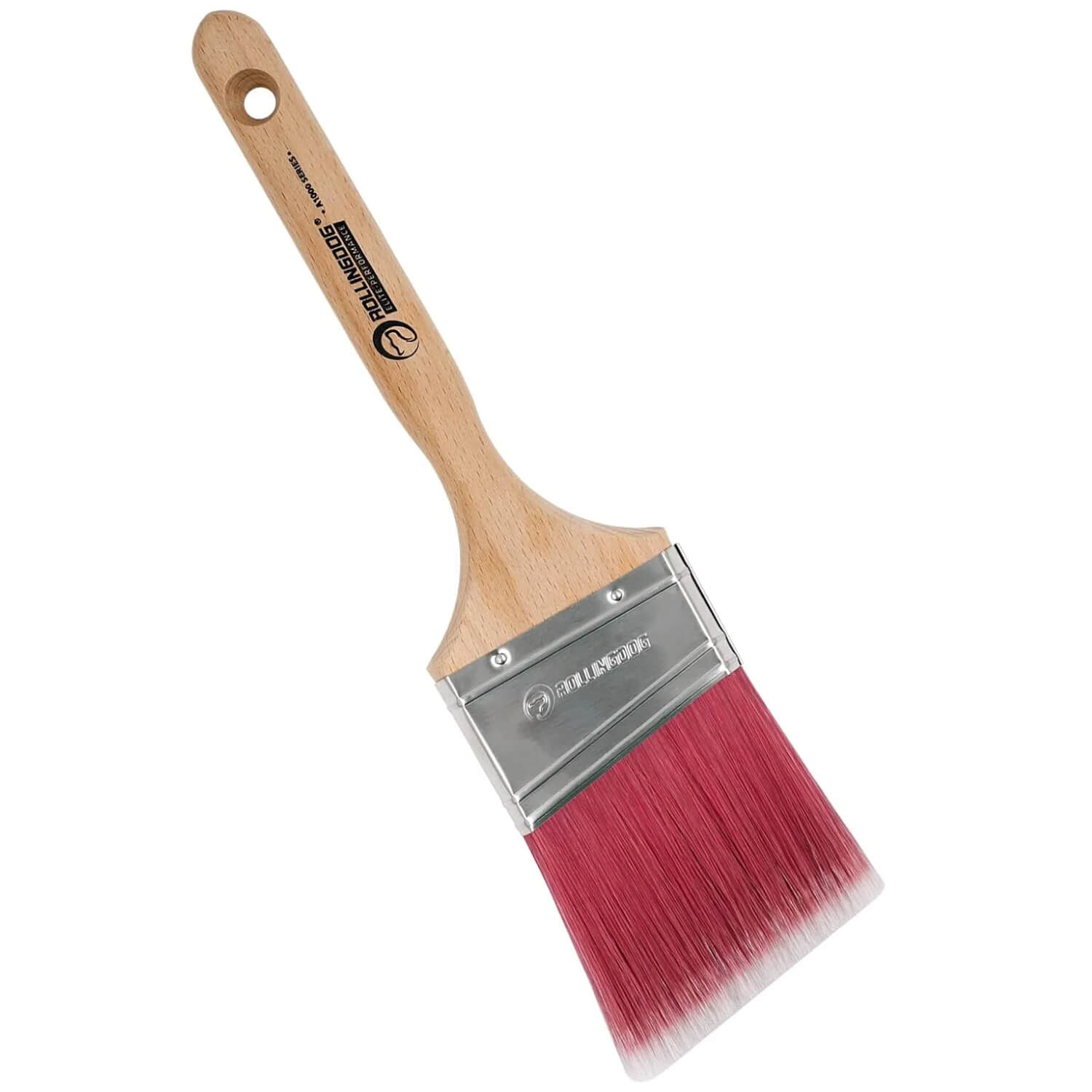
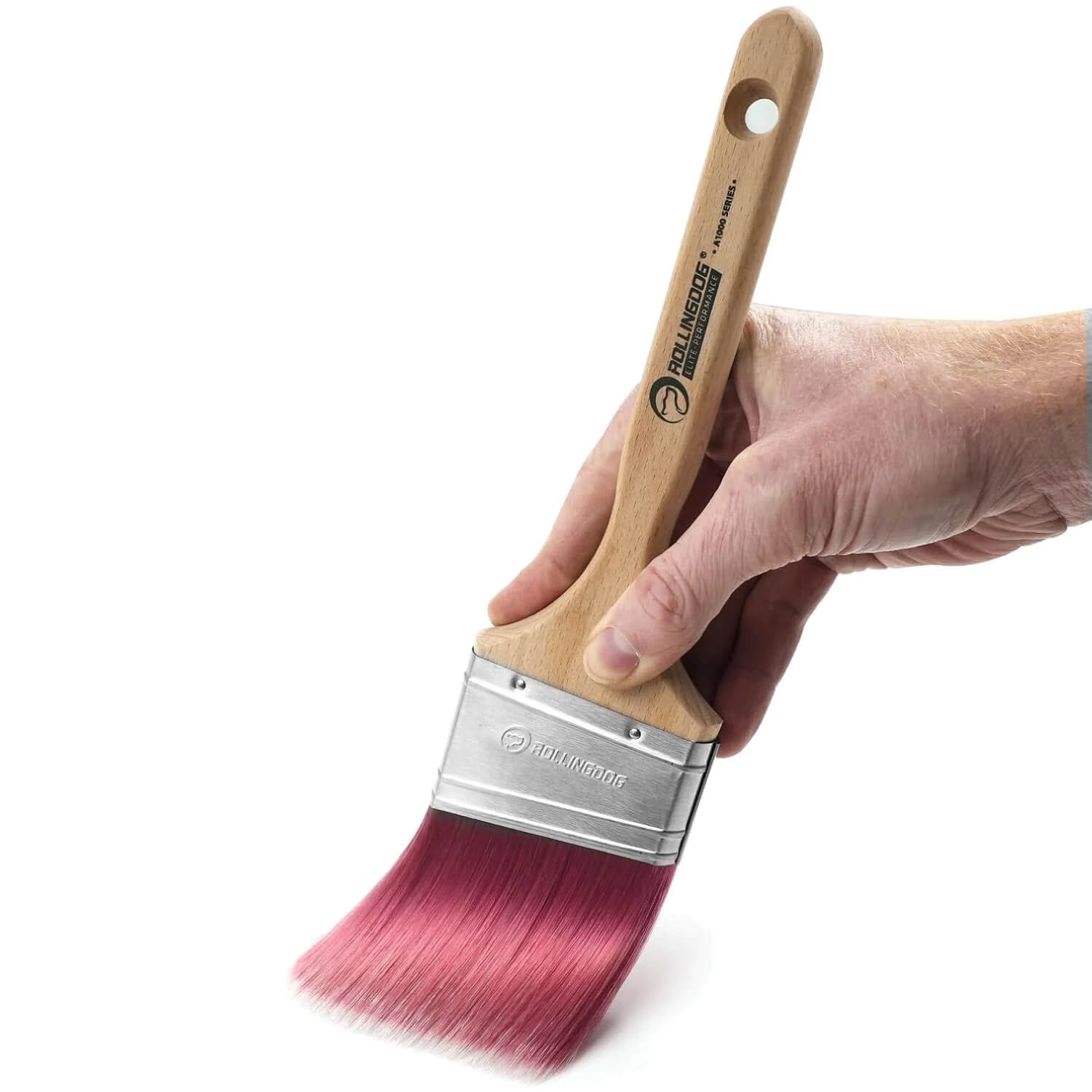
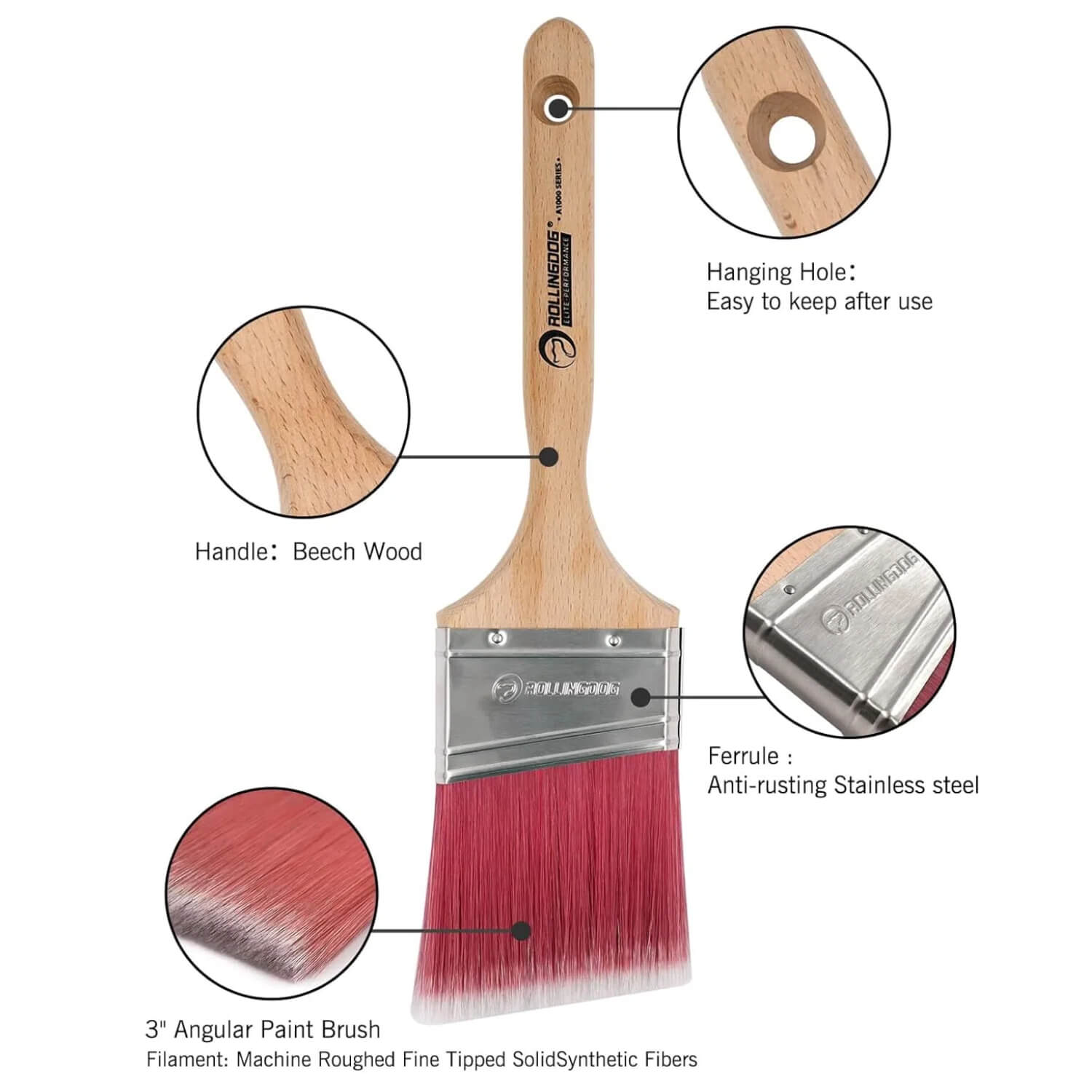
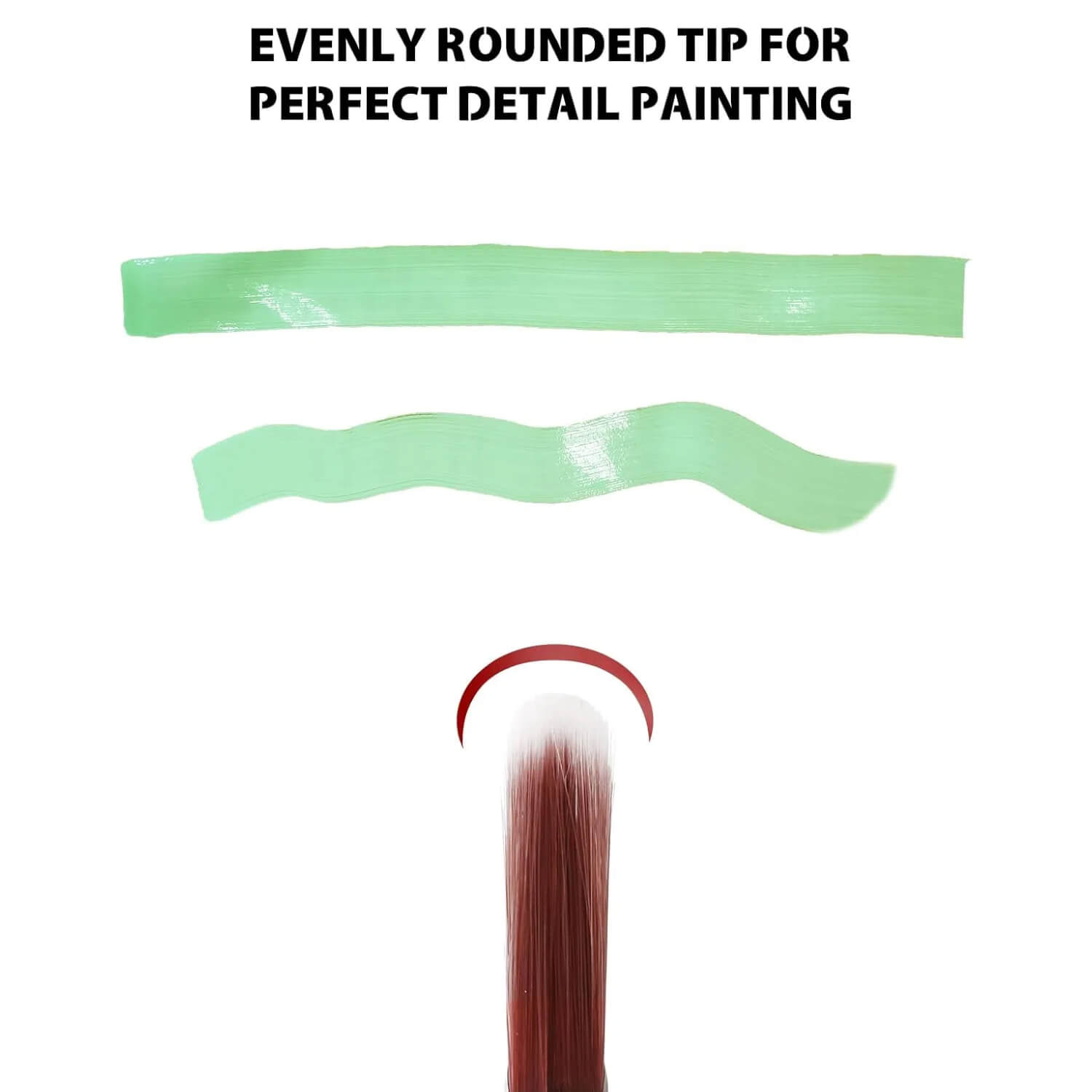
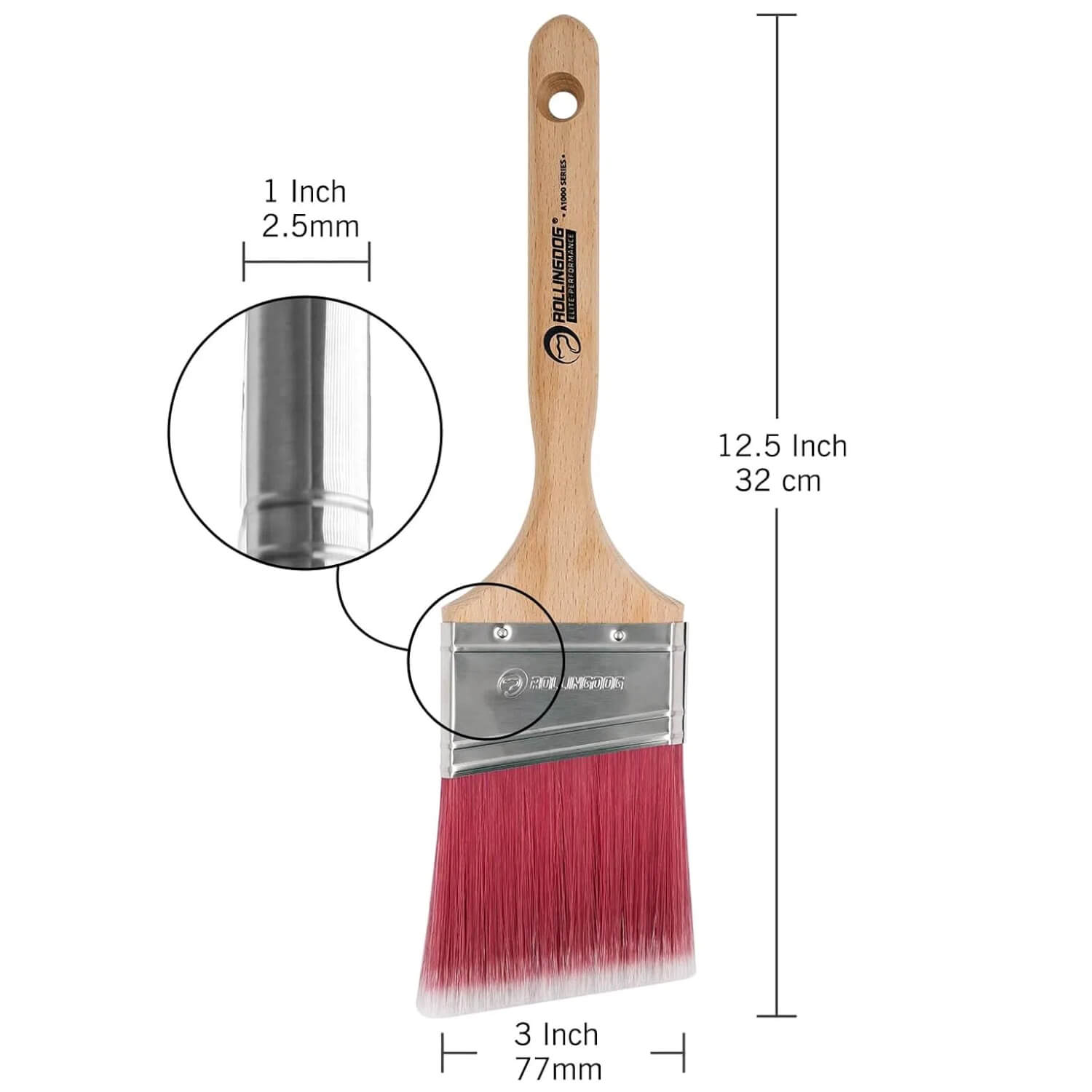
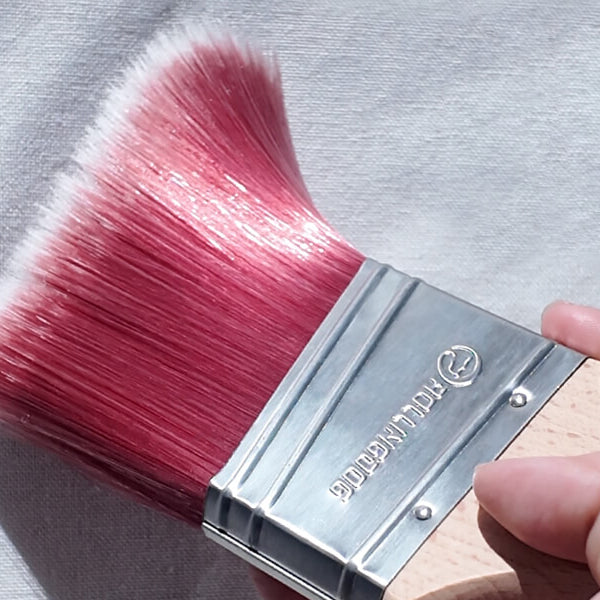
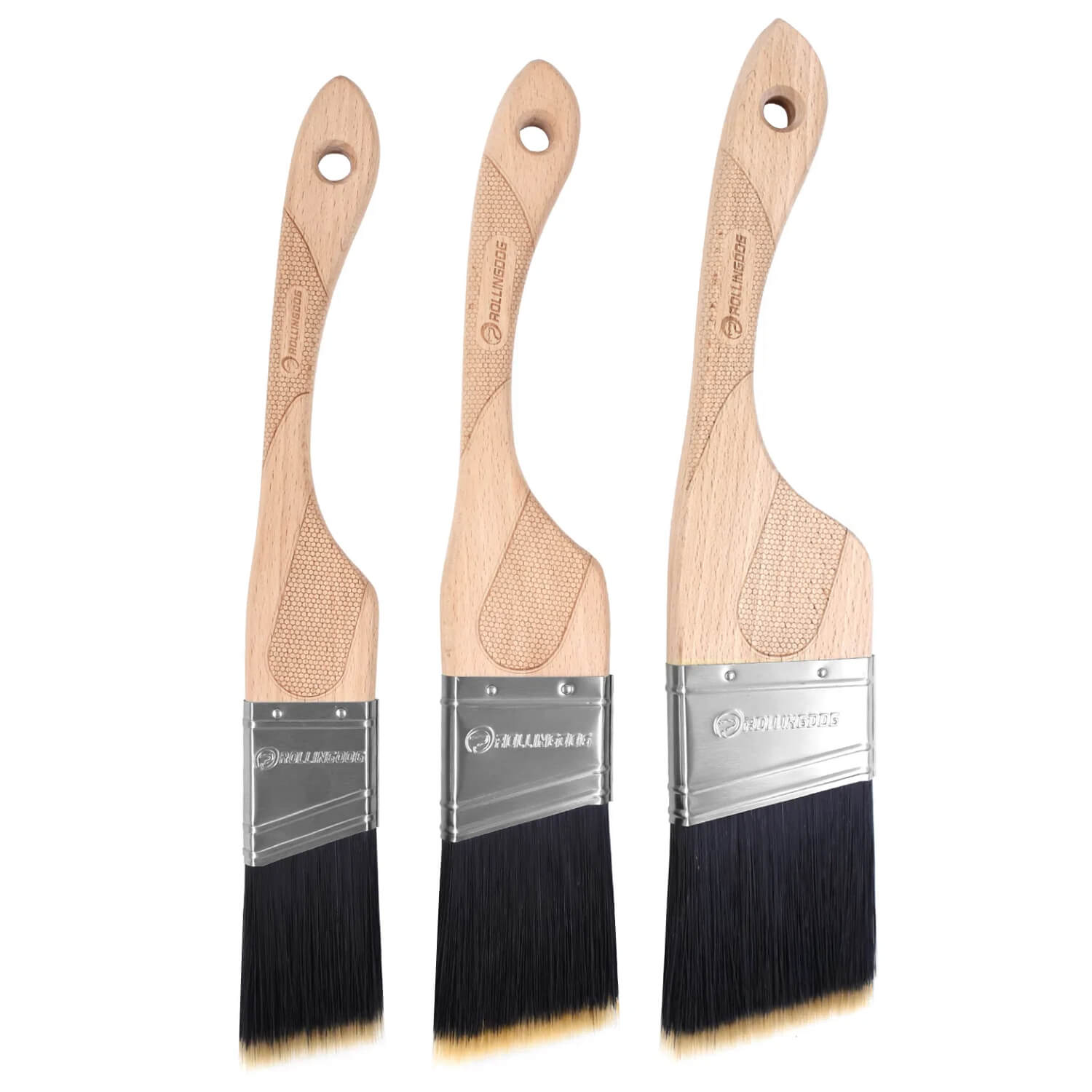
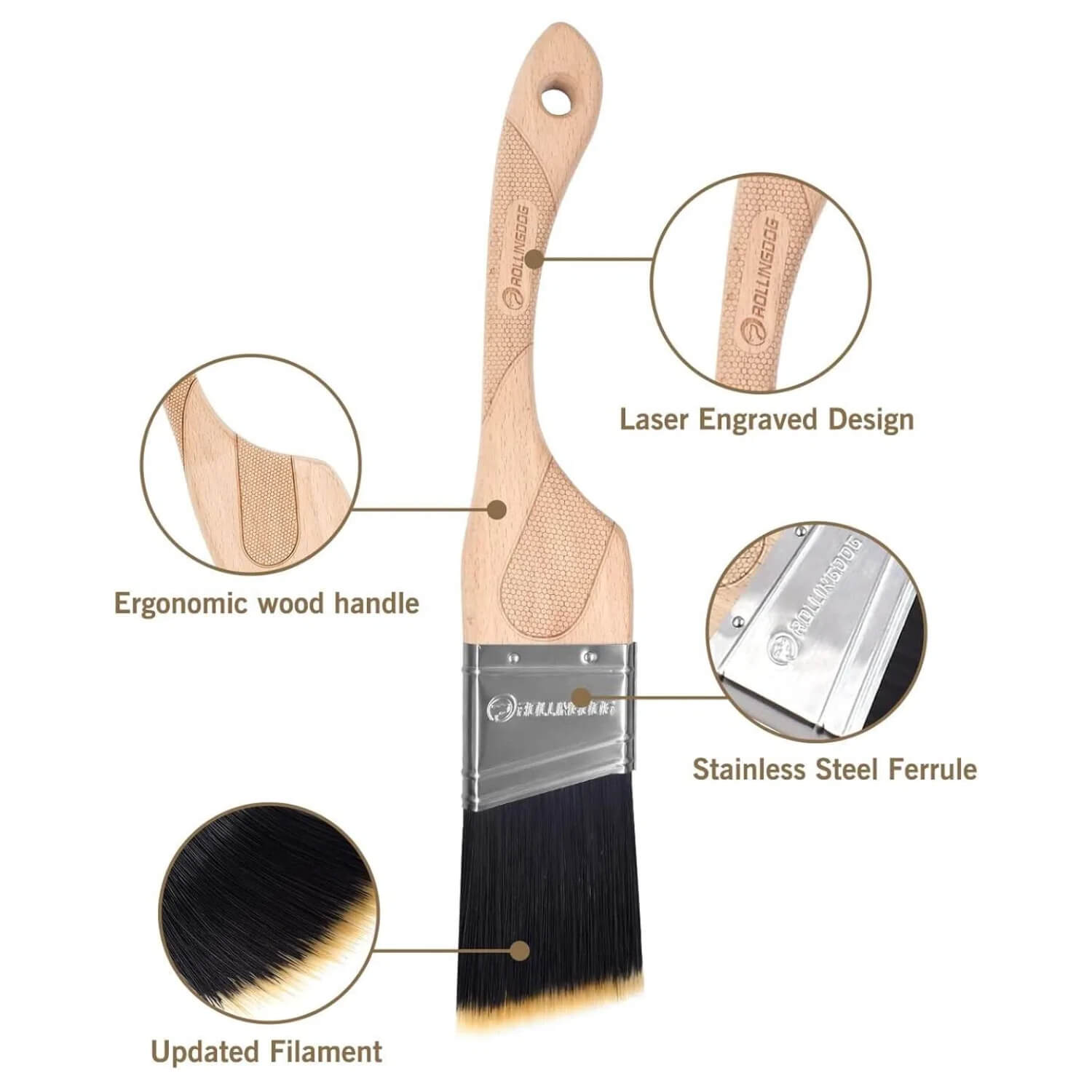
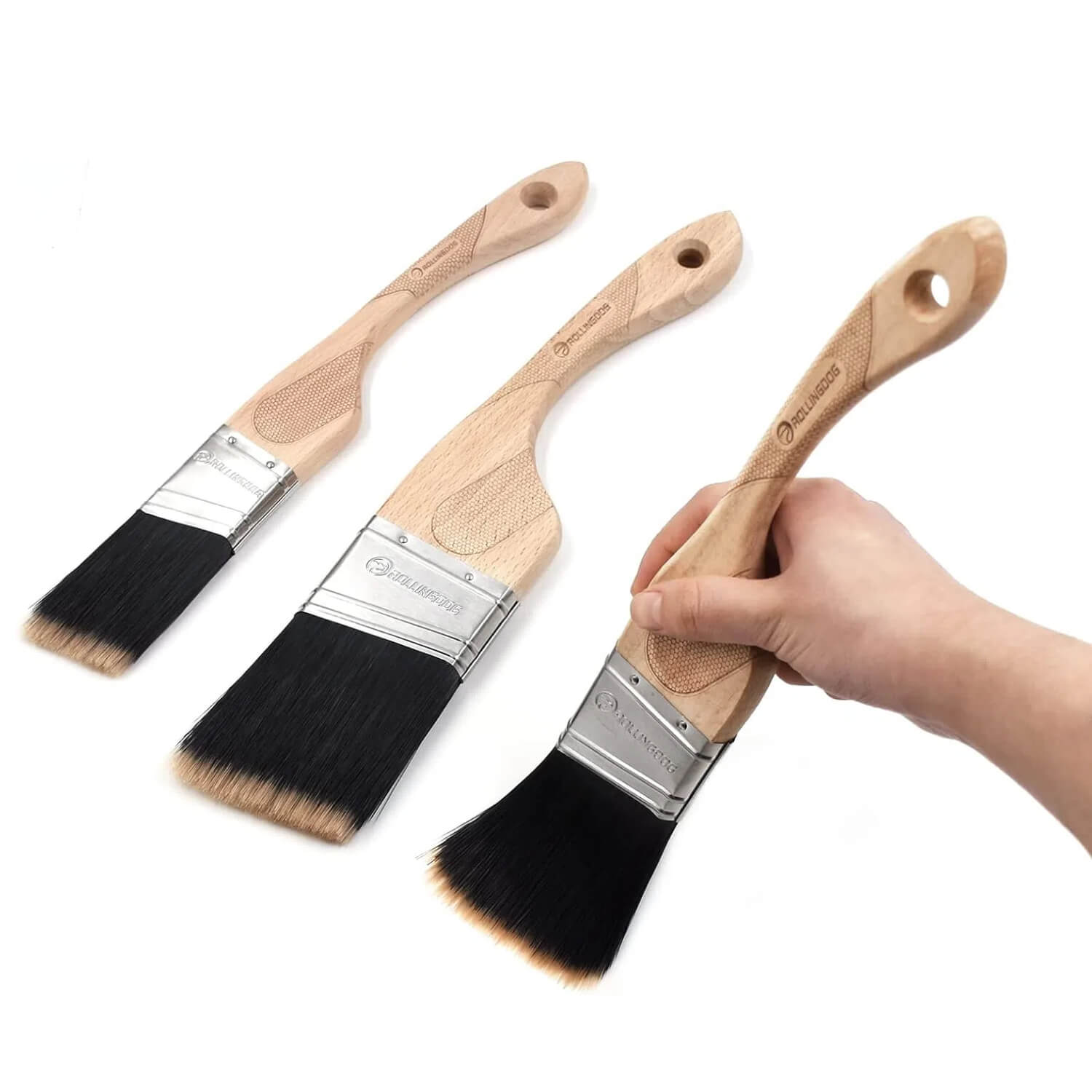
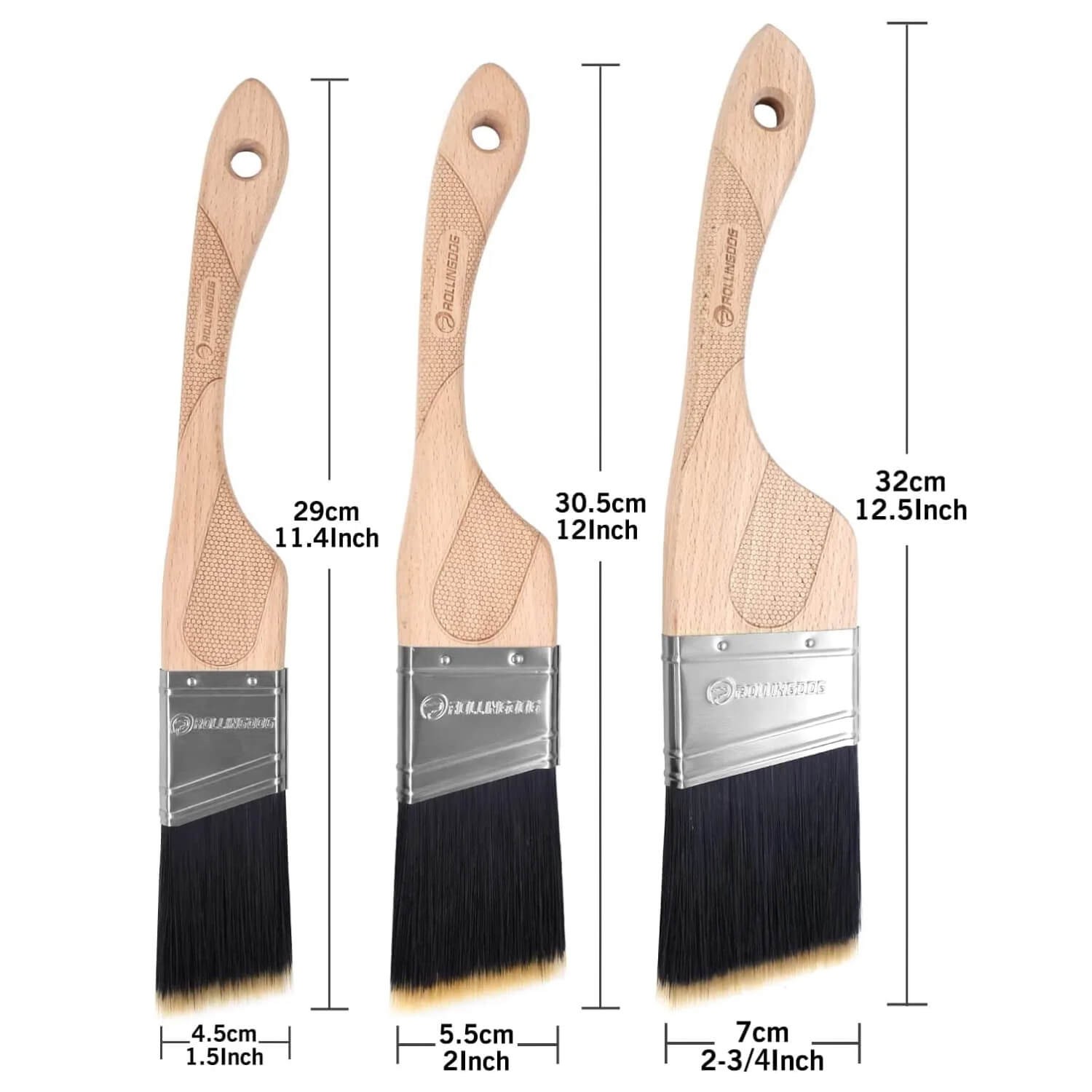
Angled Brush
Trim & Detail Brush
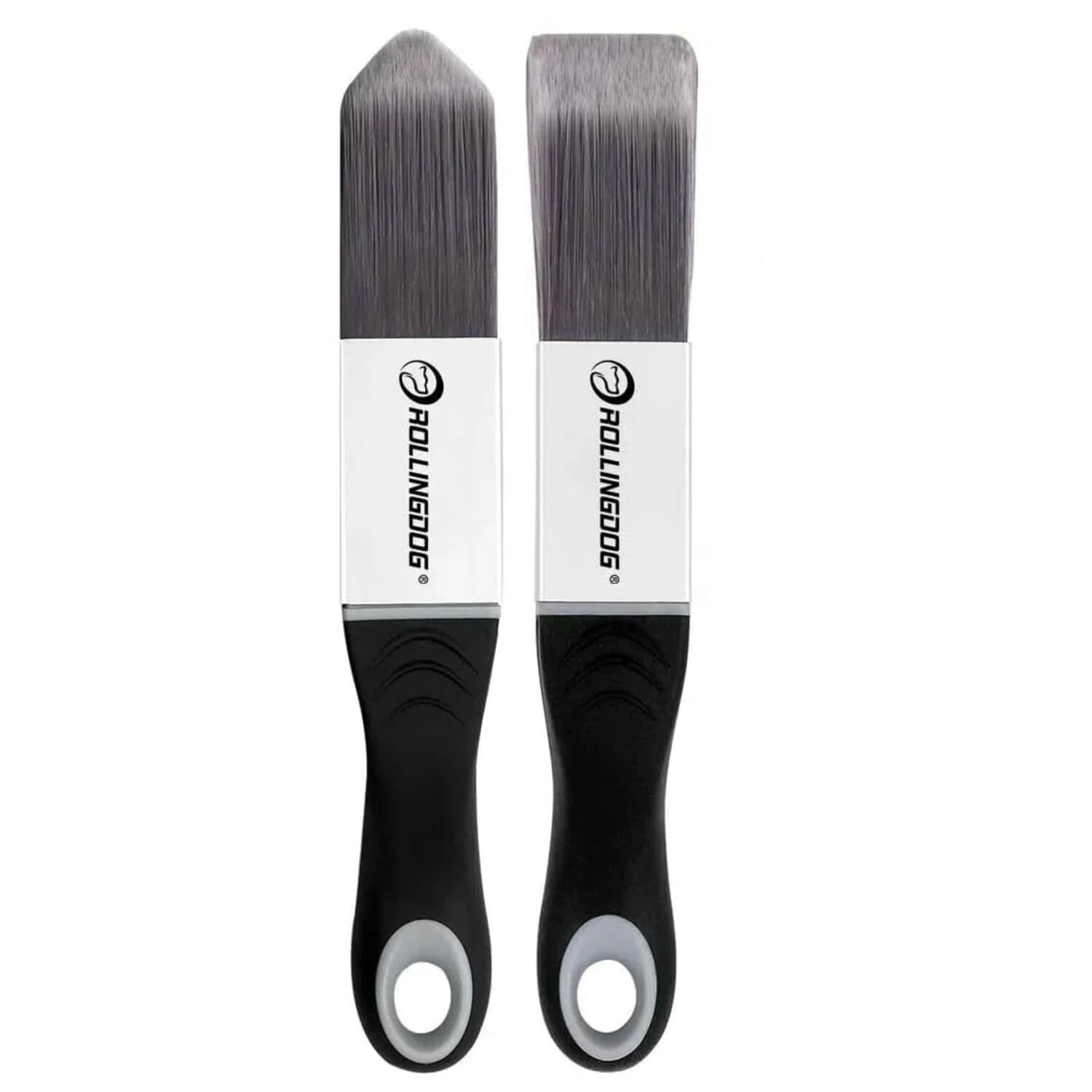
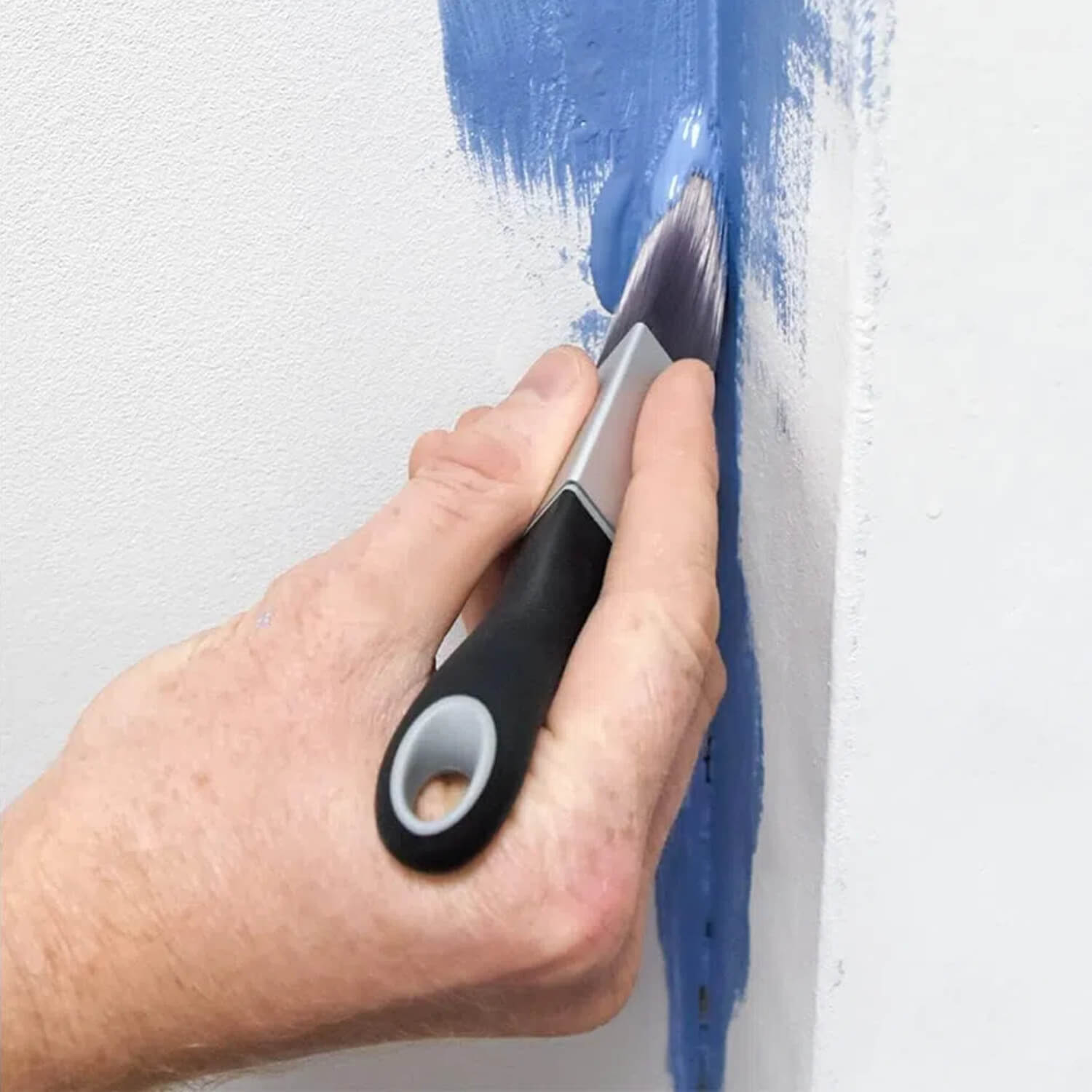
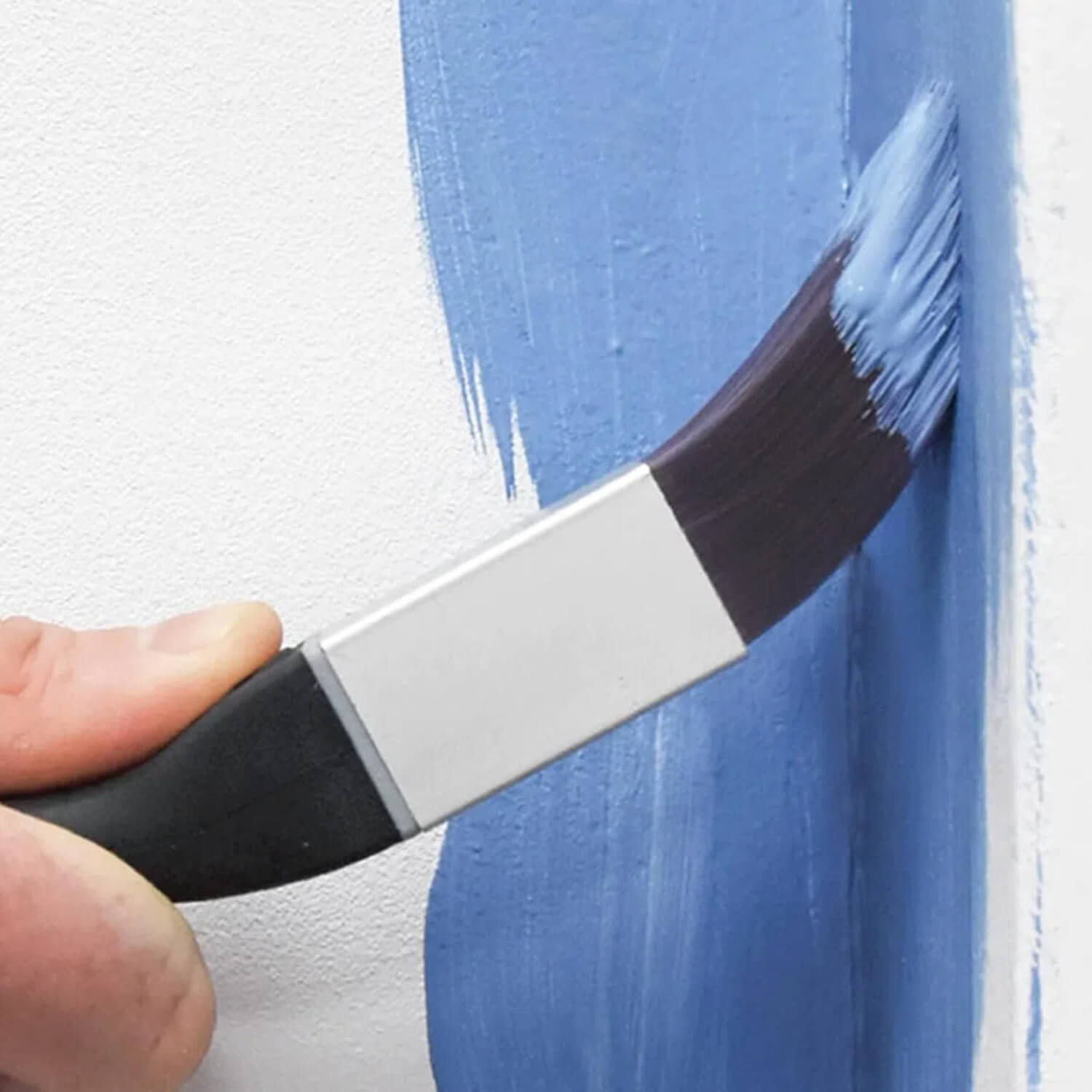
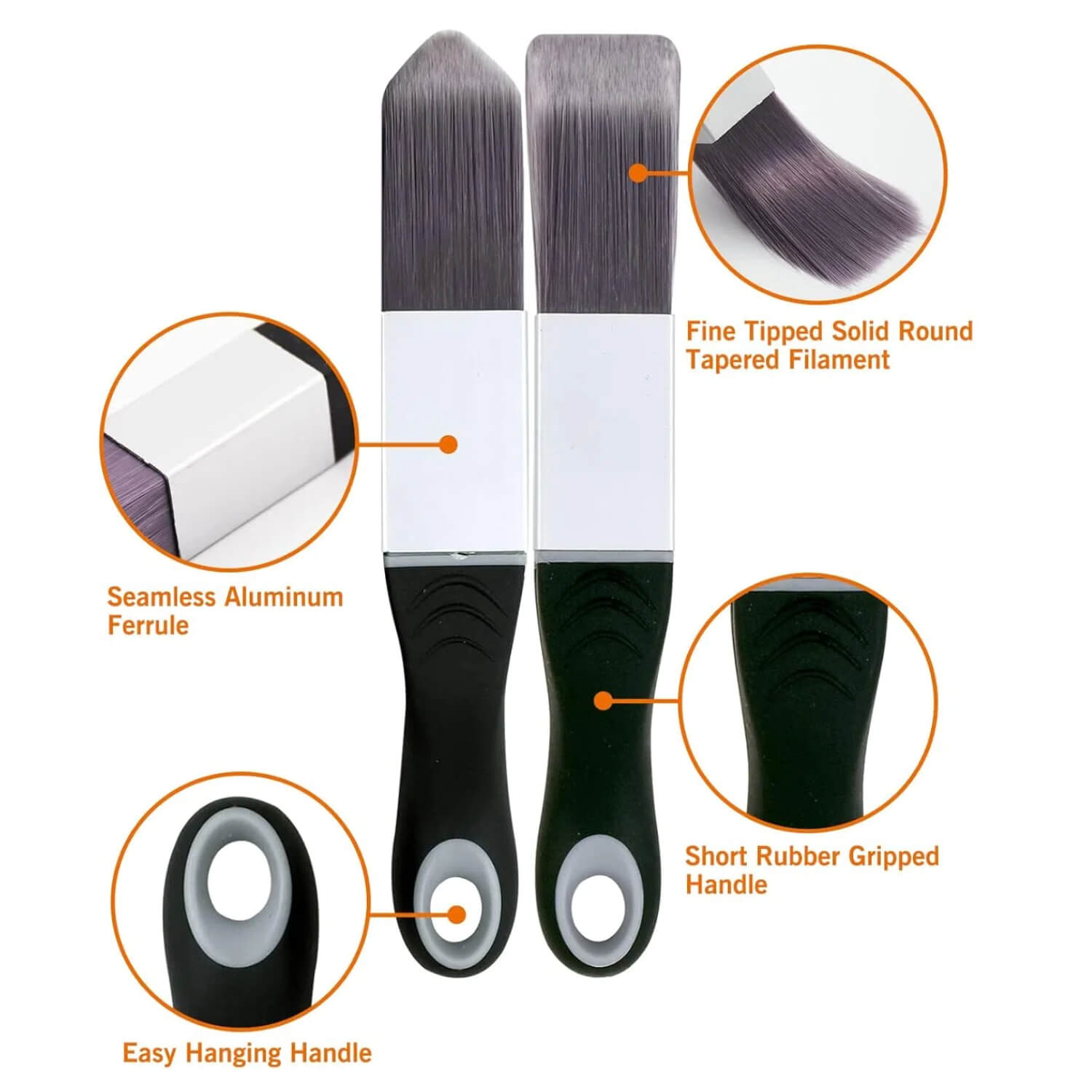
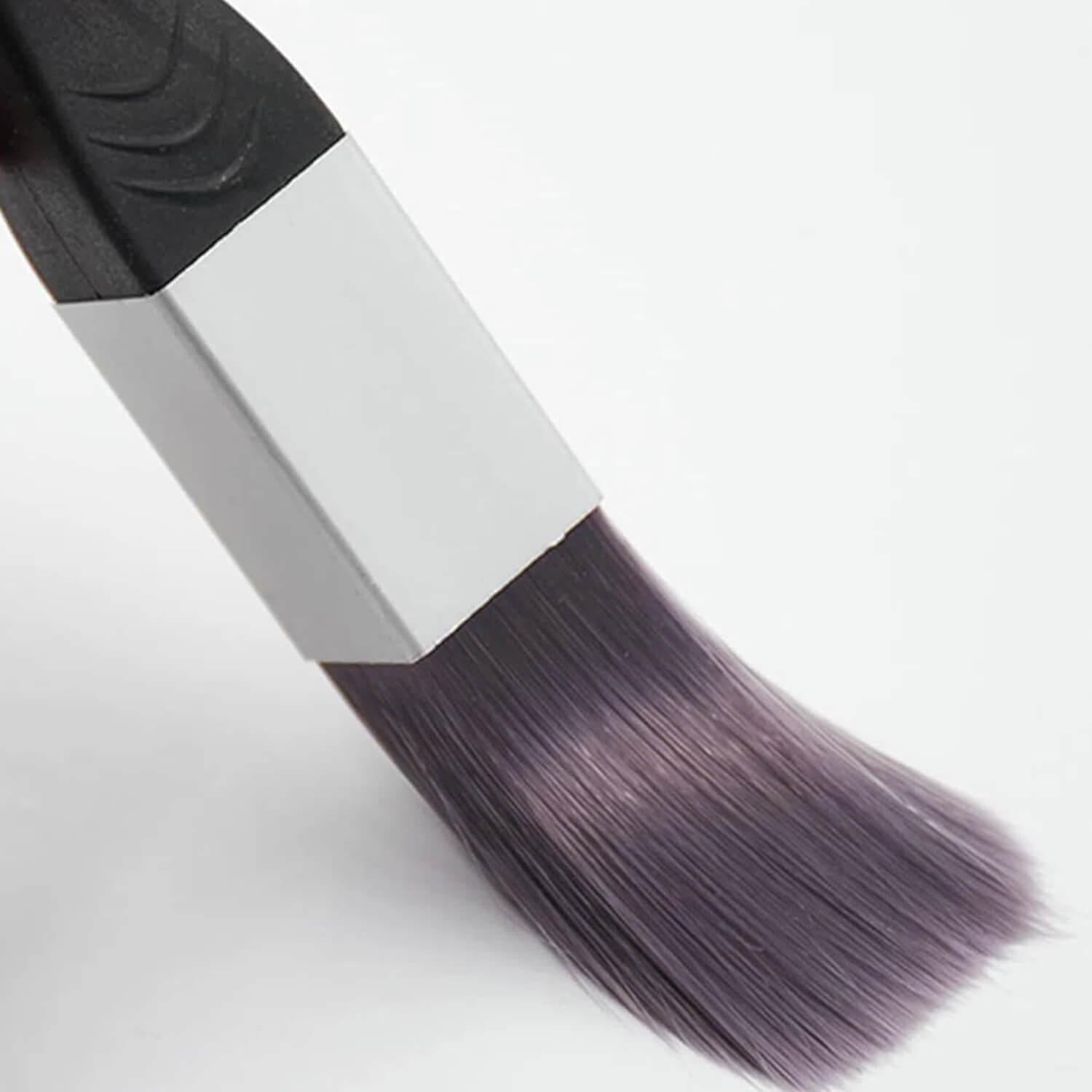
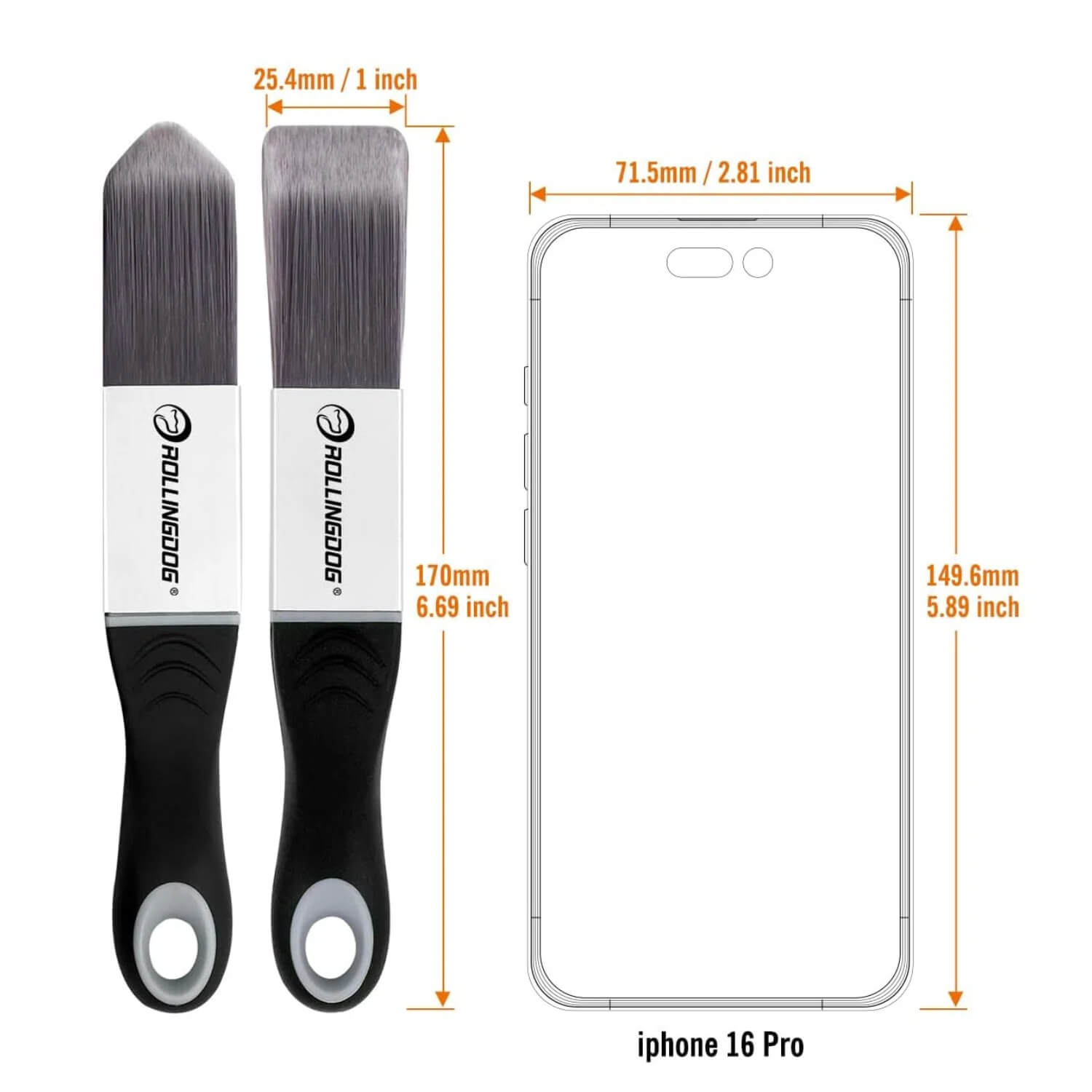
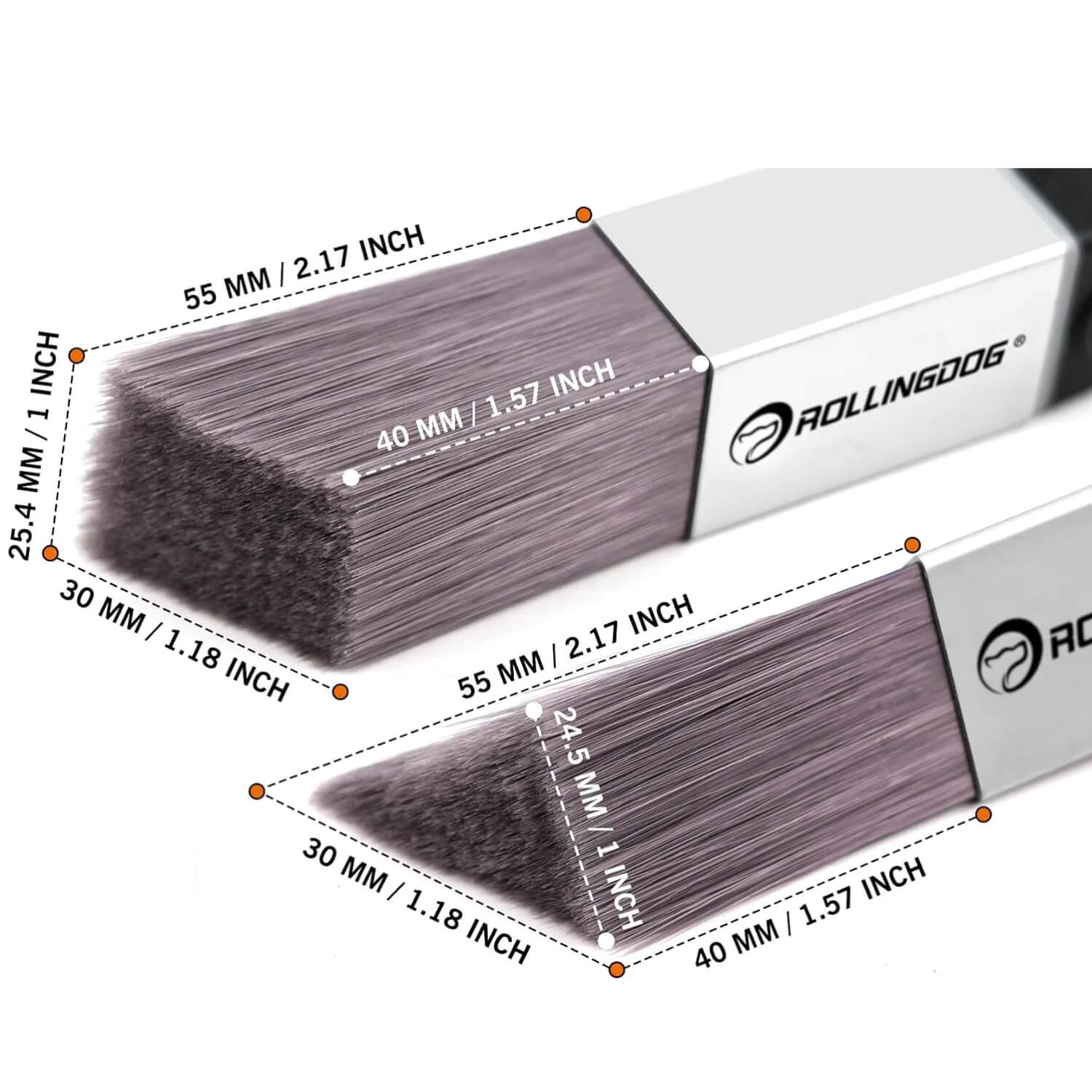
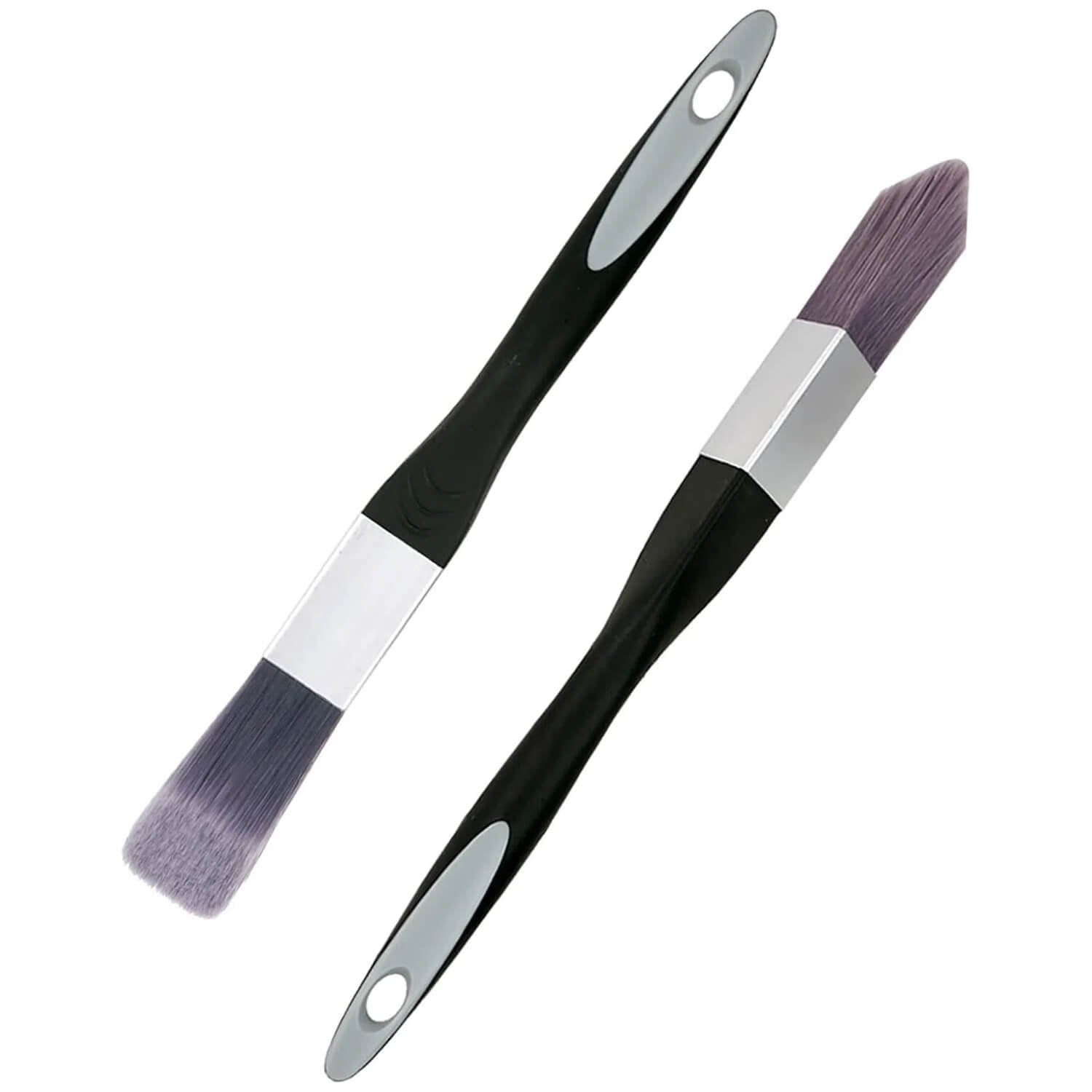
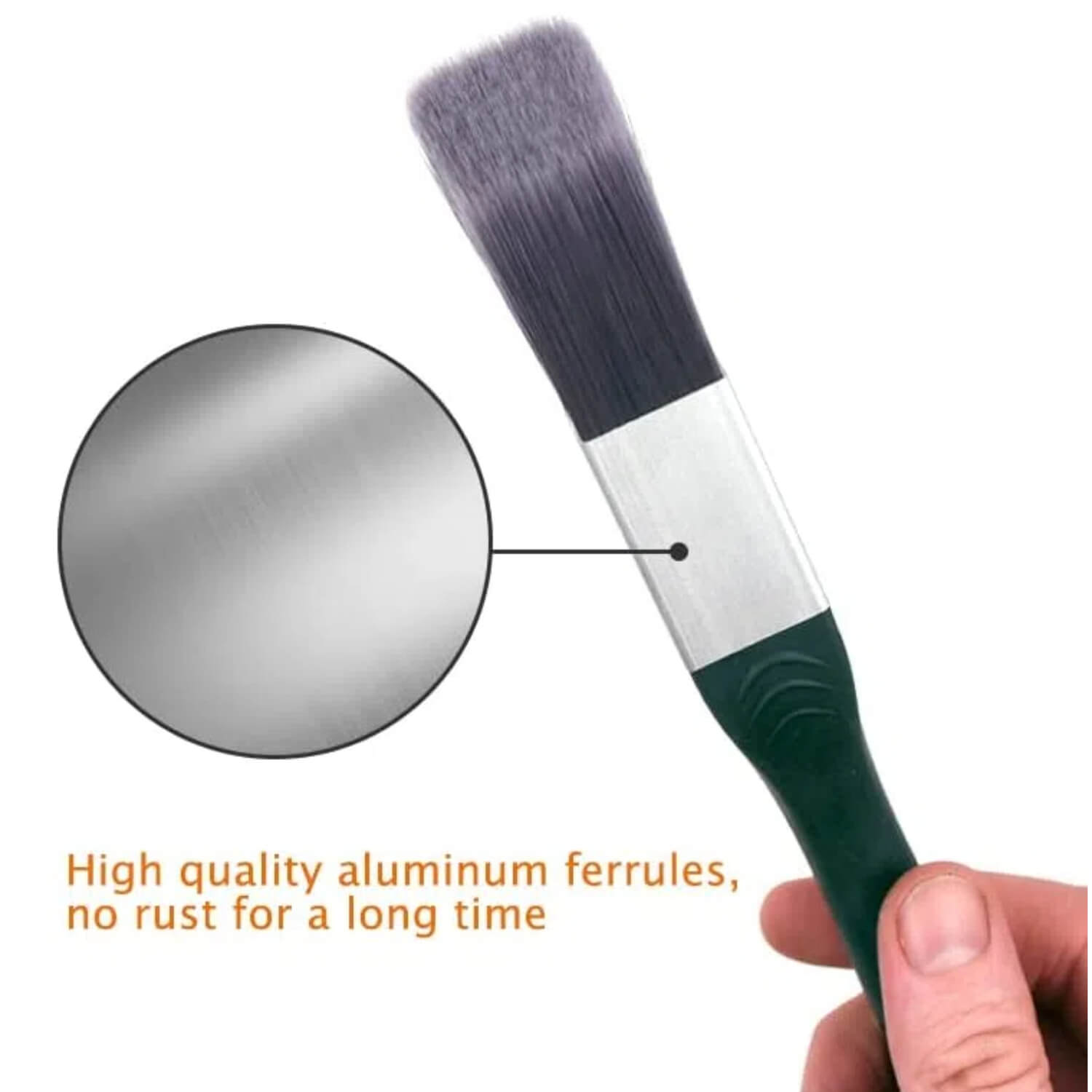
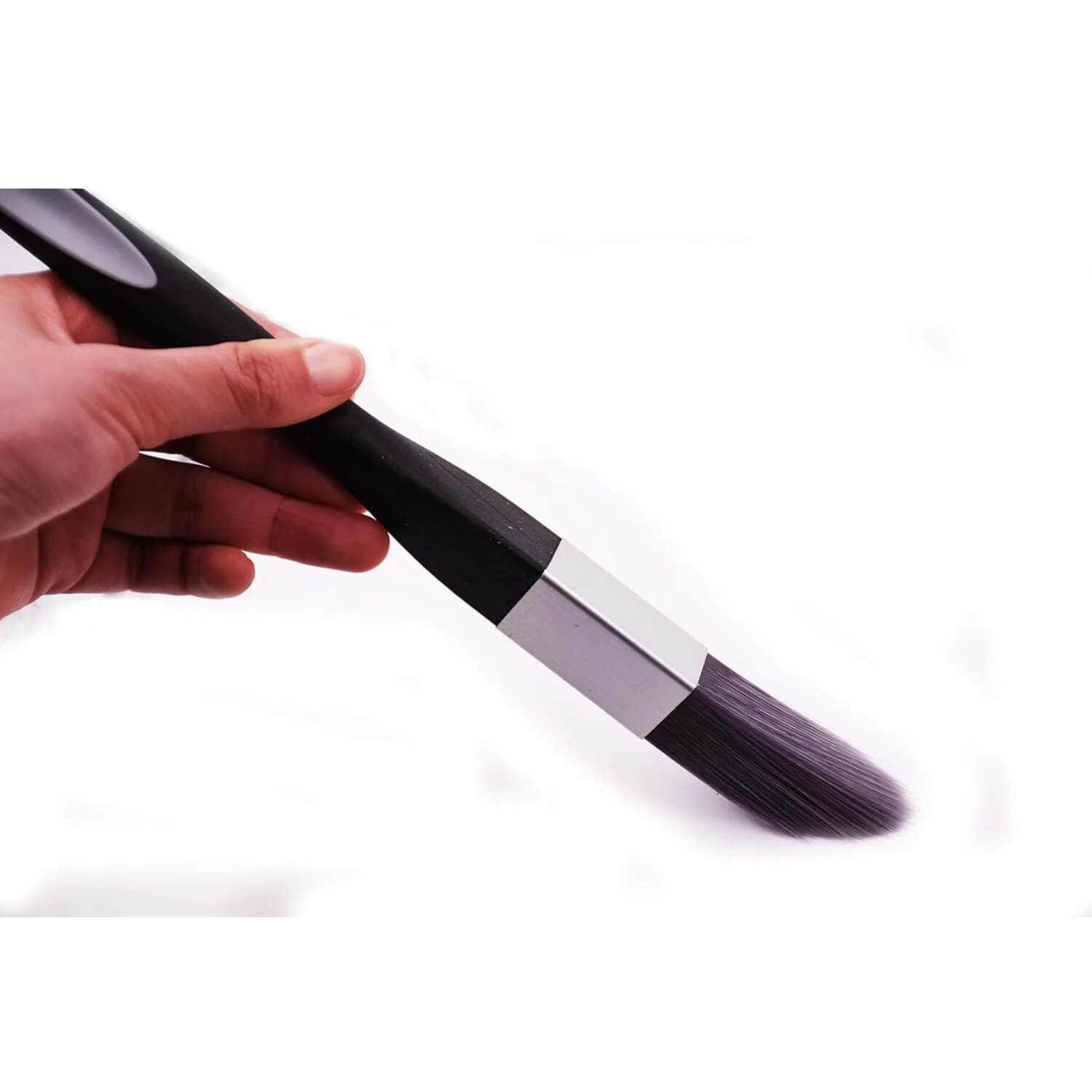
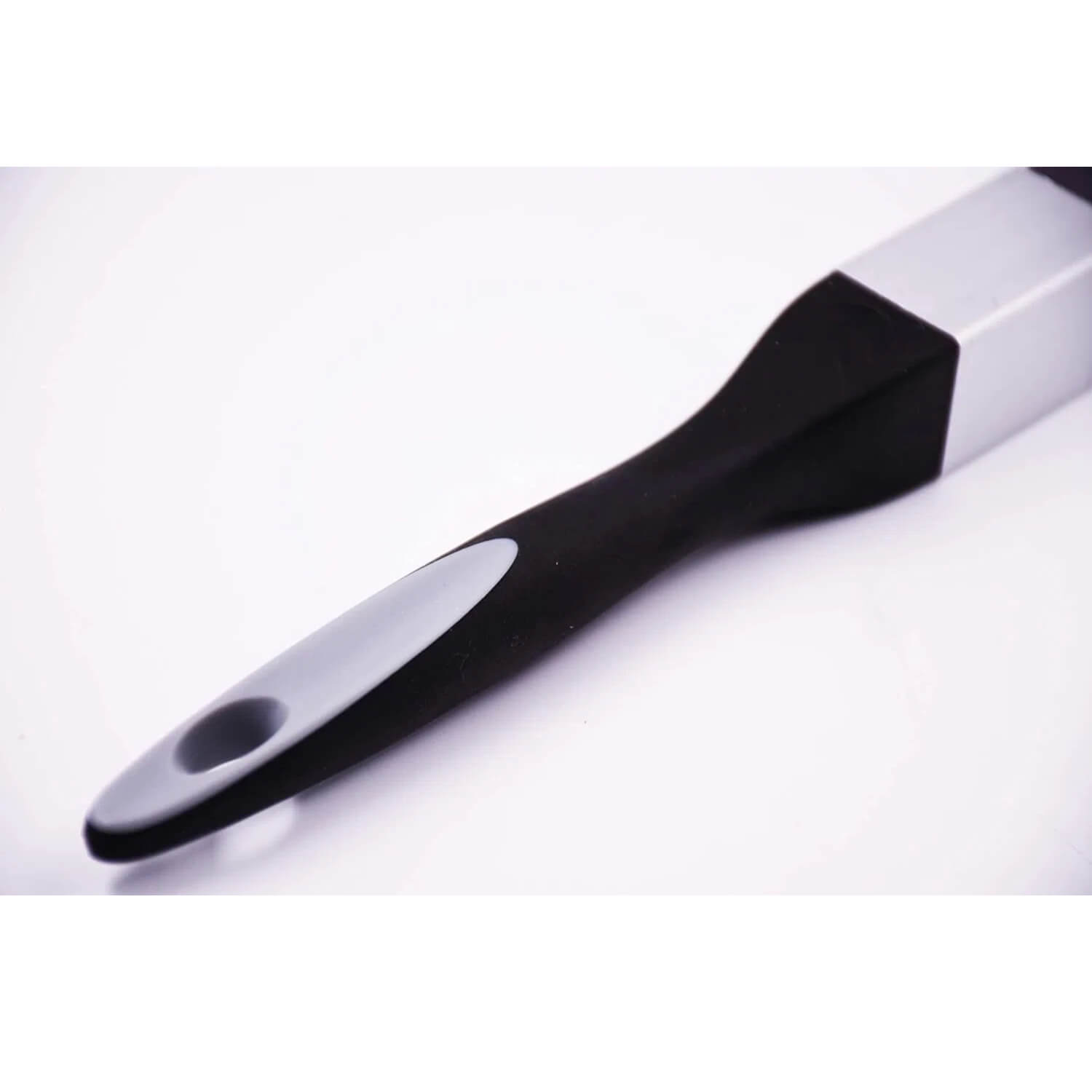
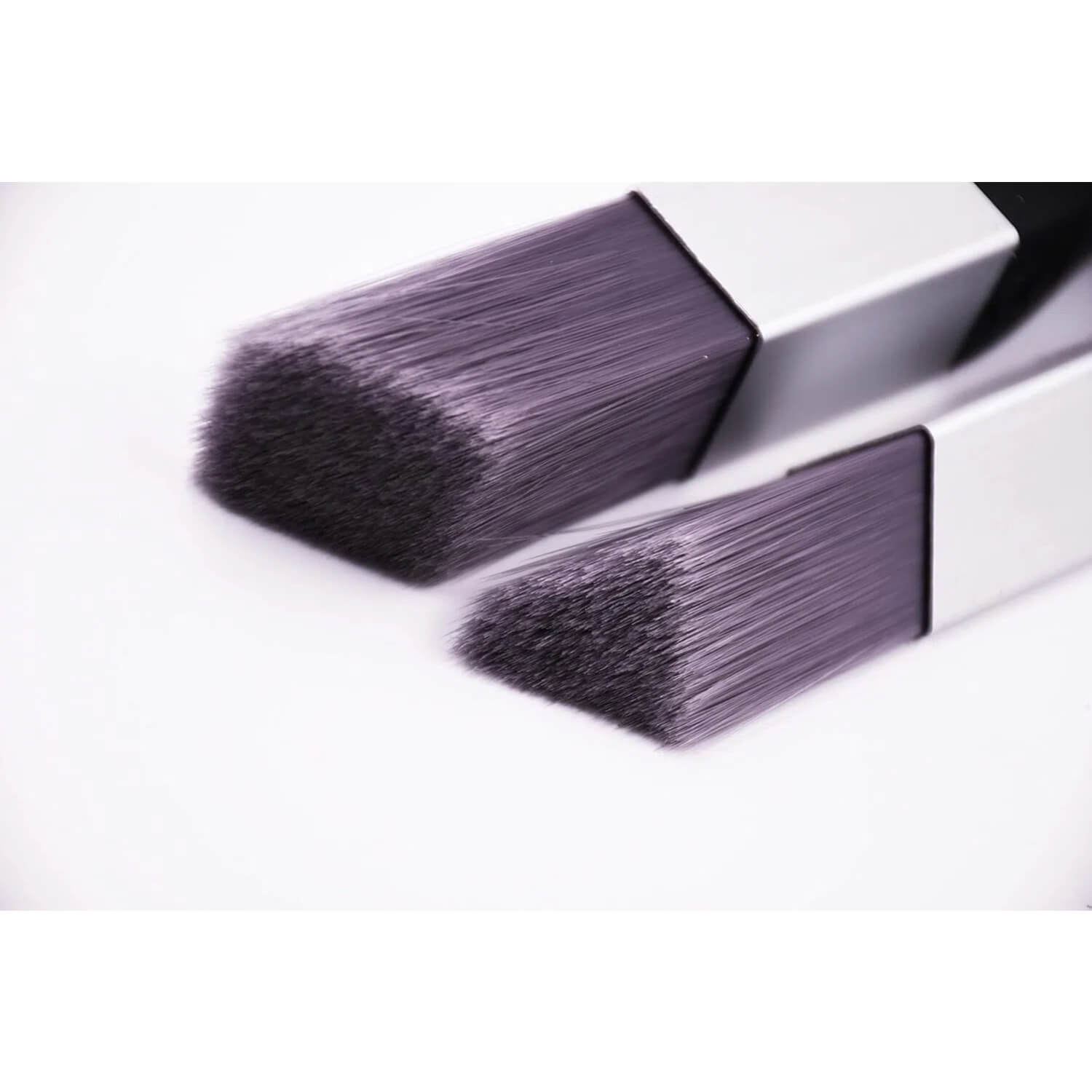
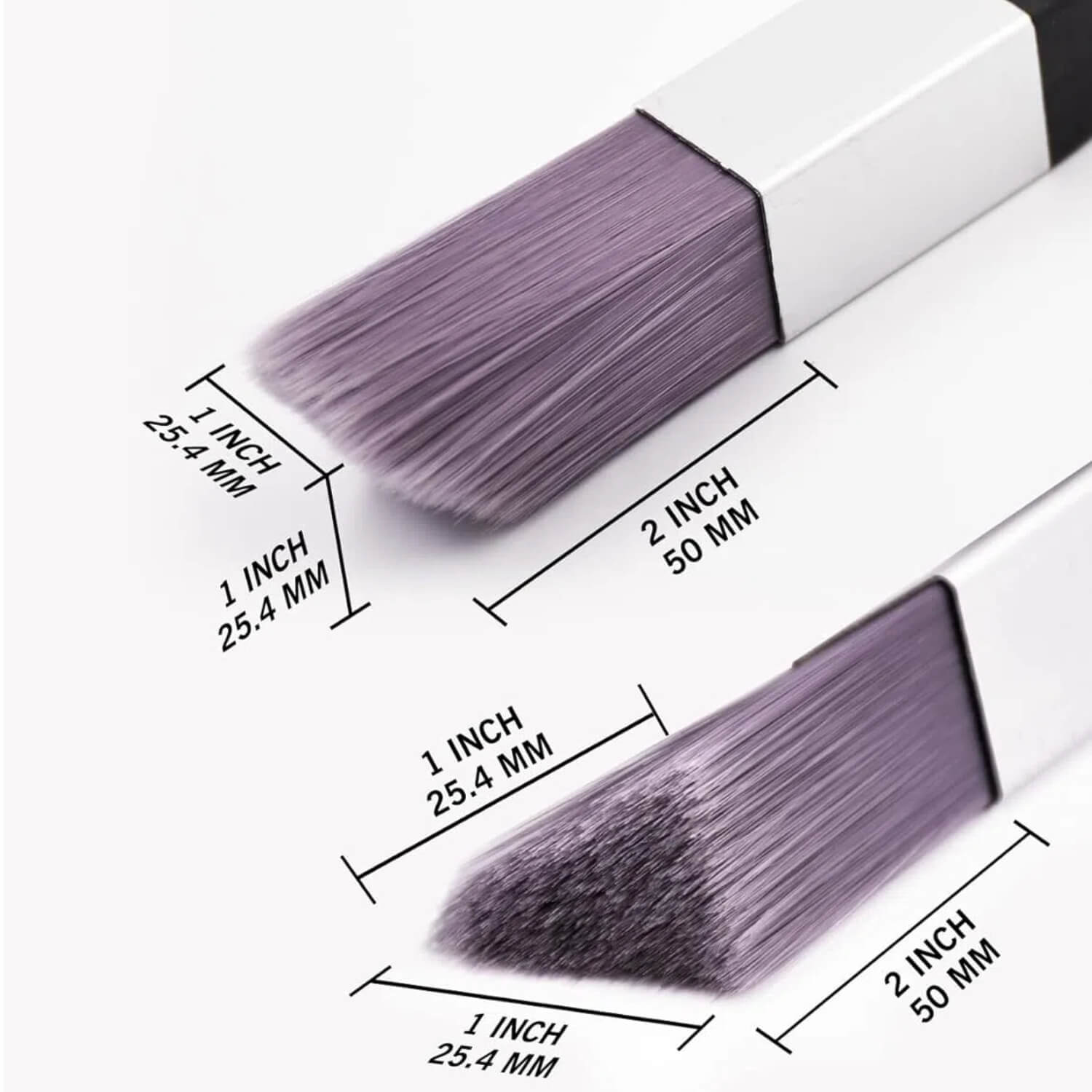
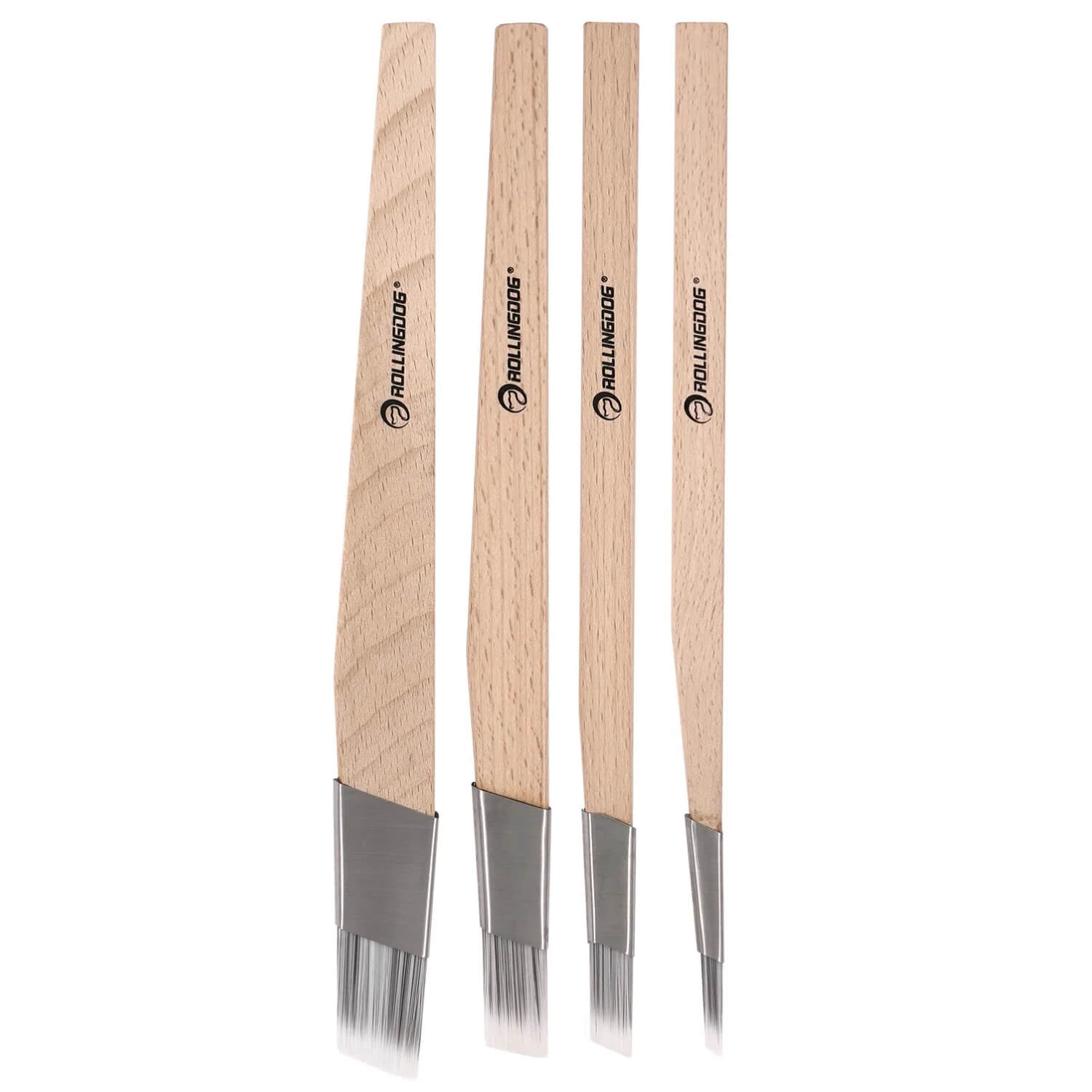
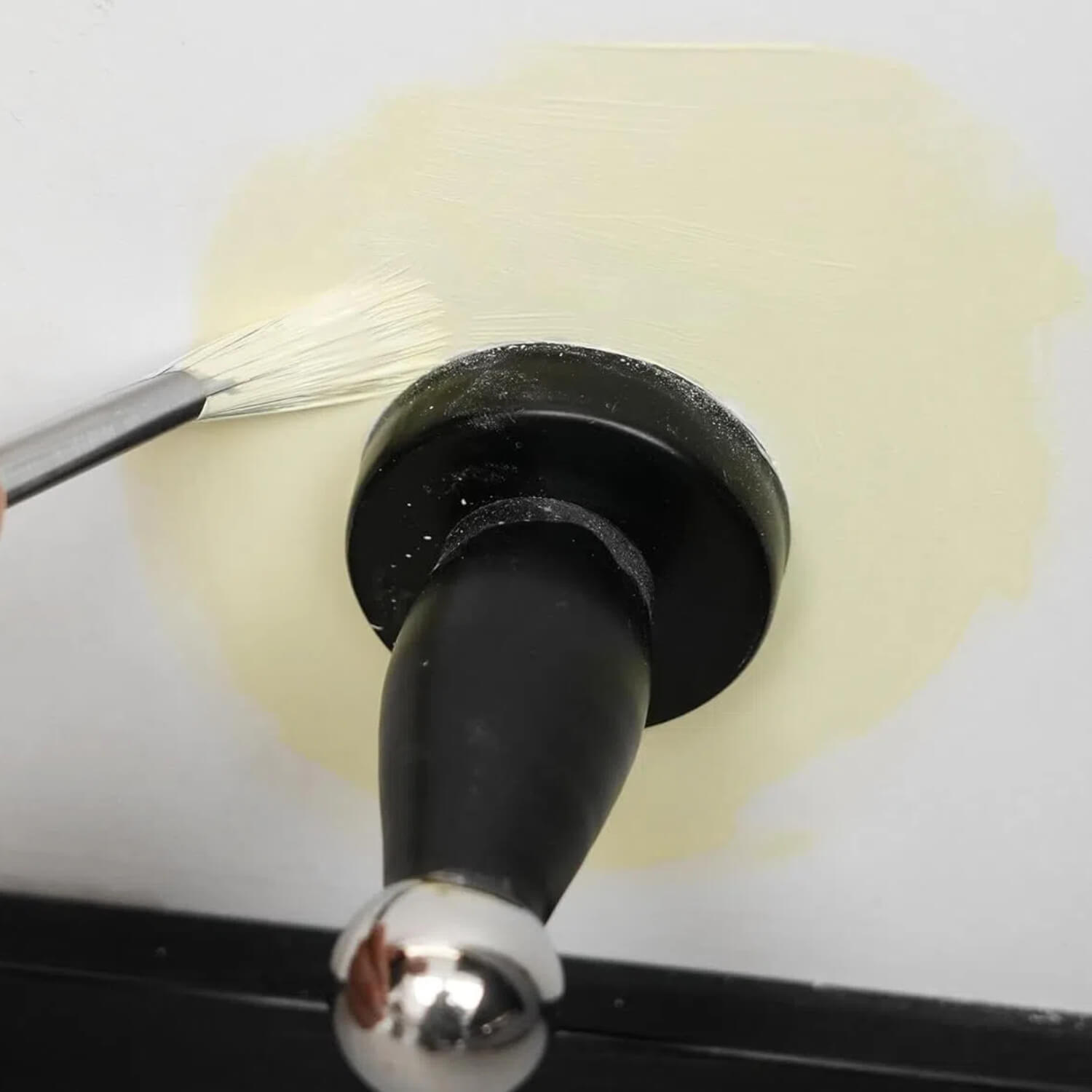
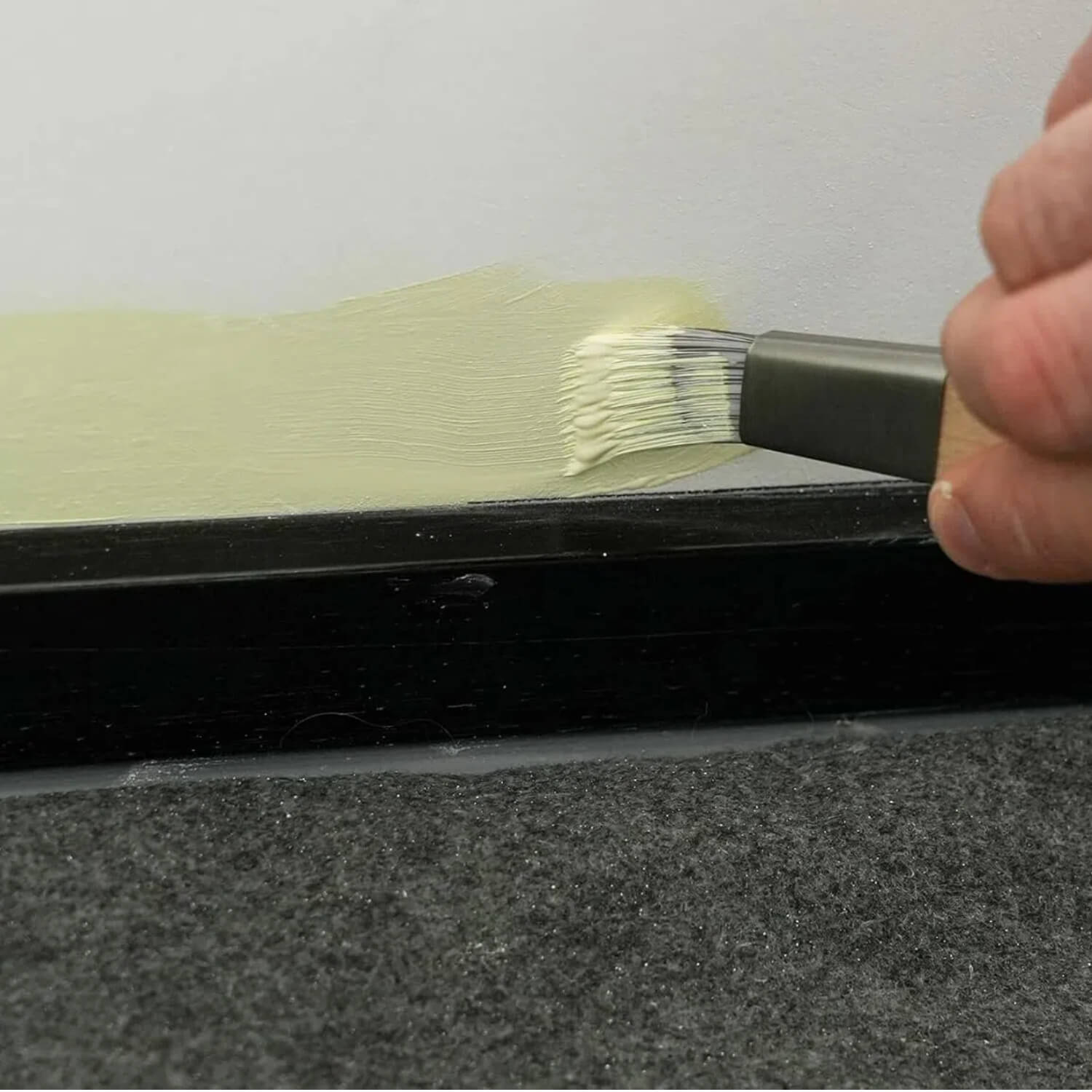
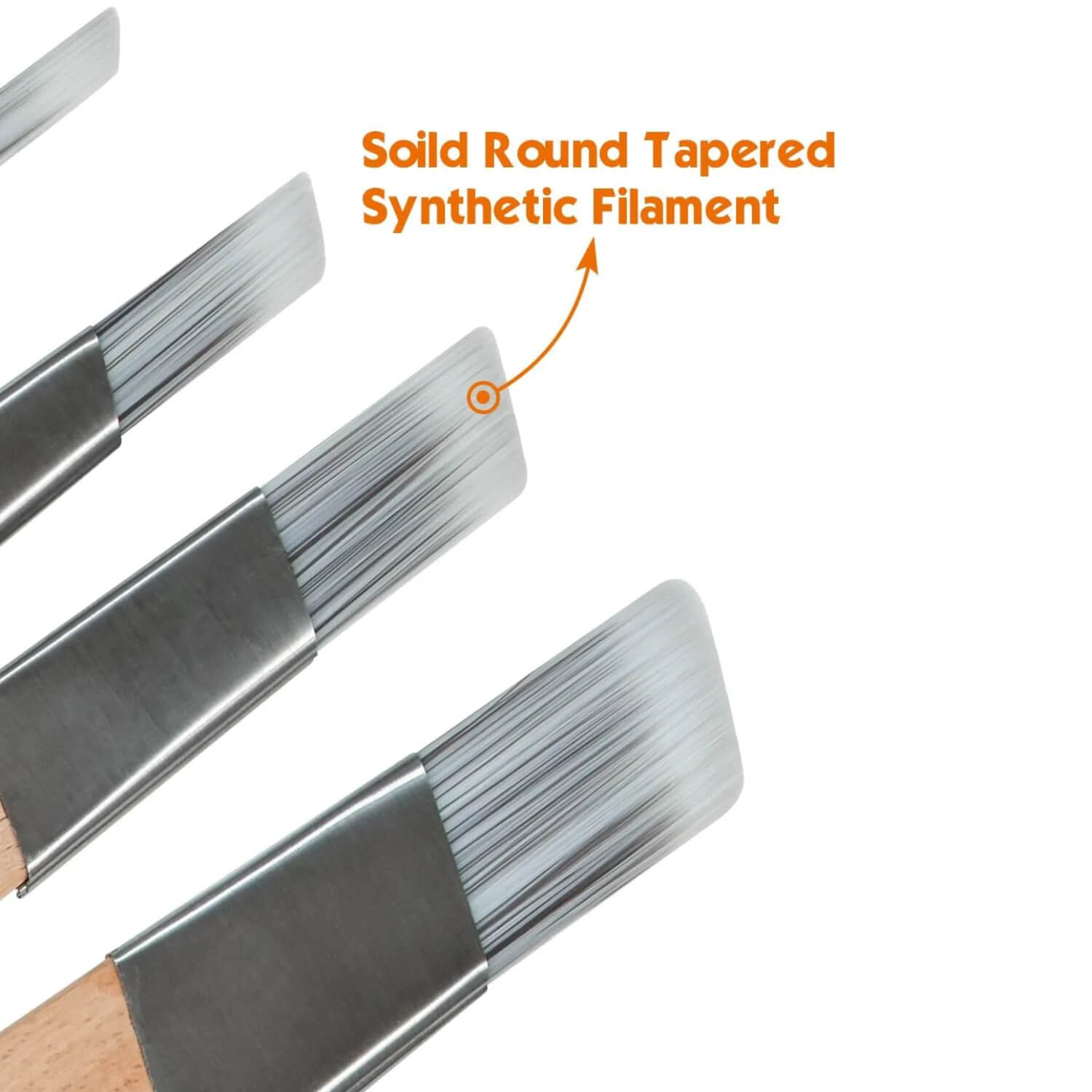
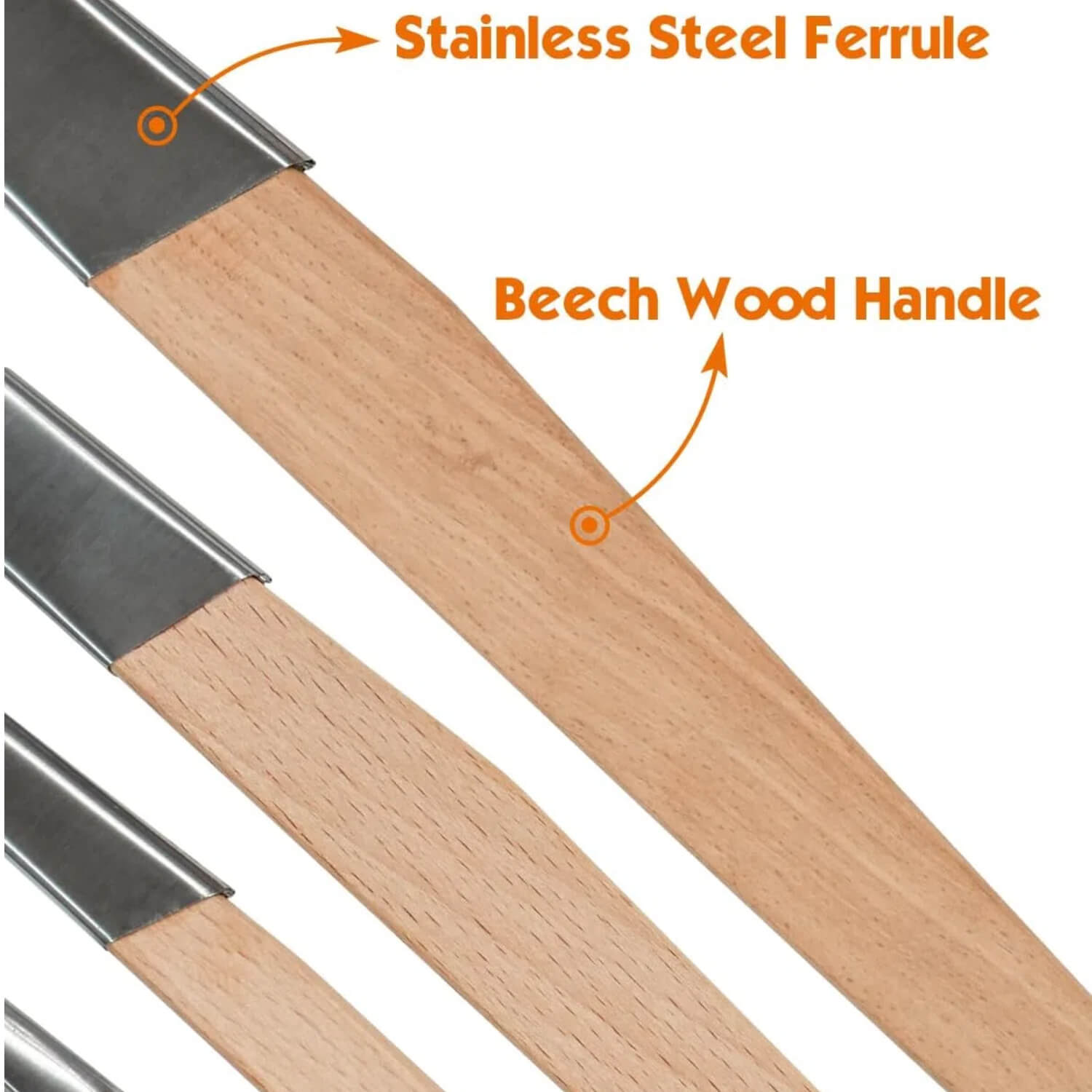
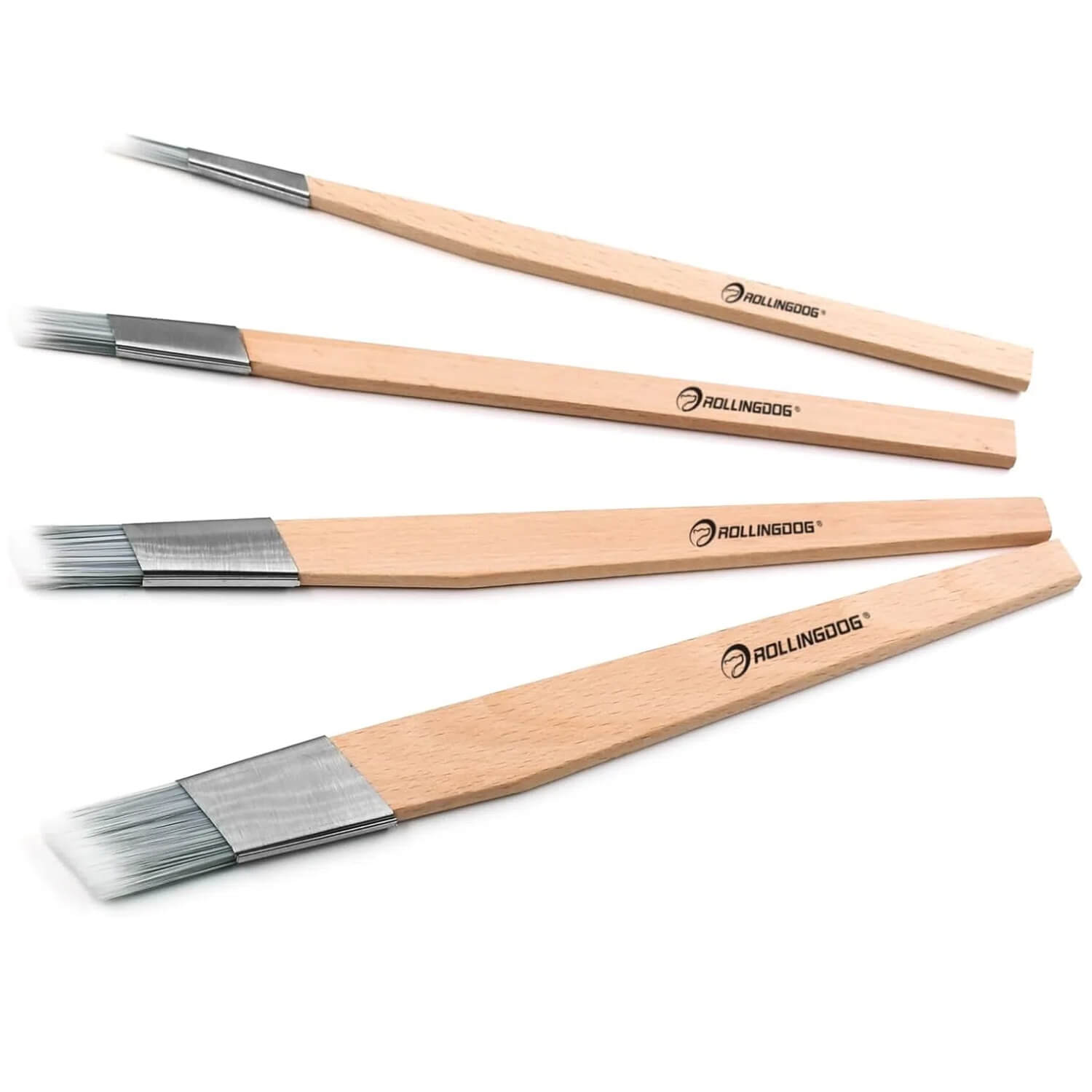
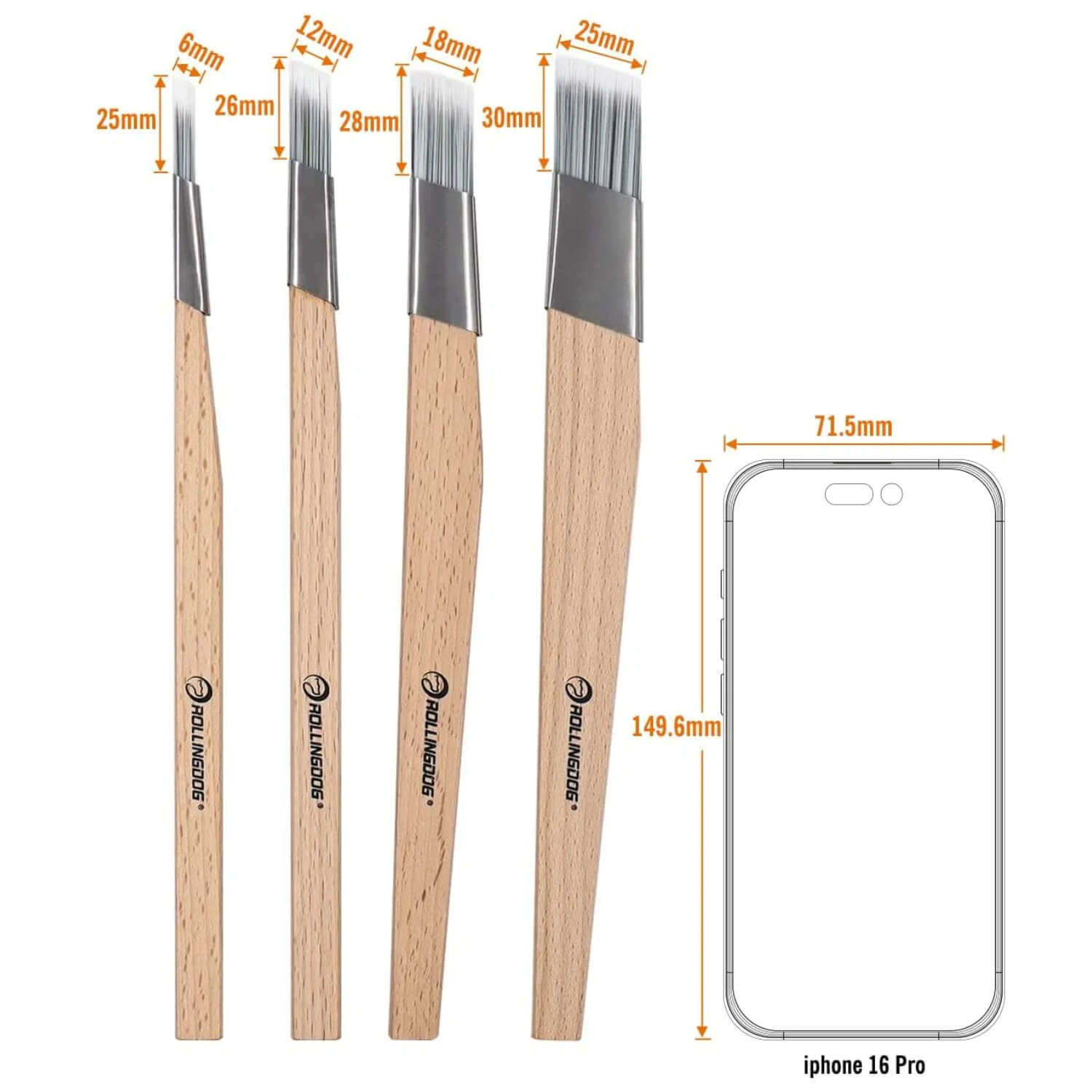
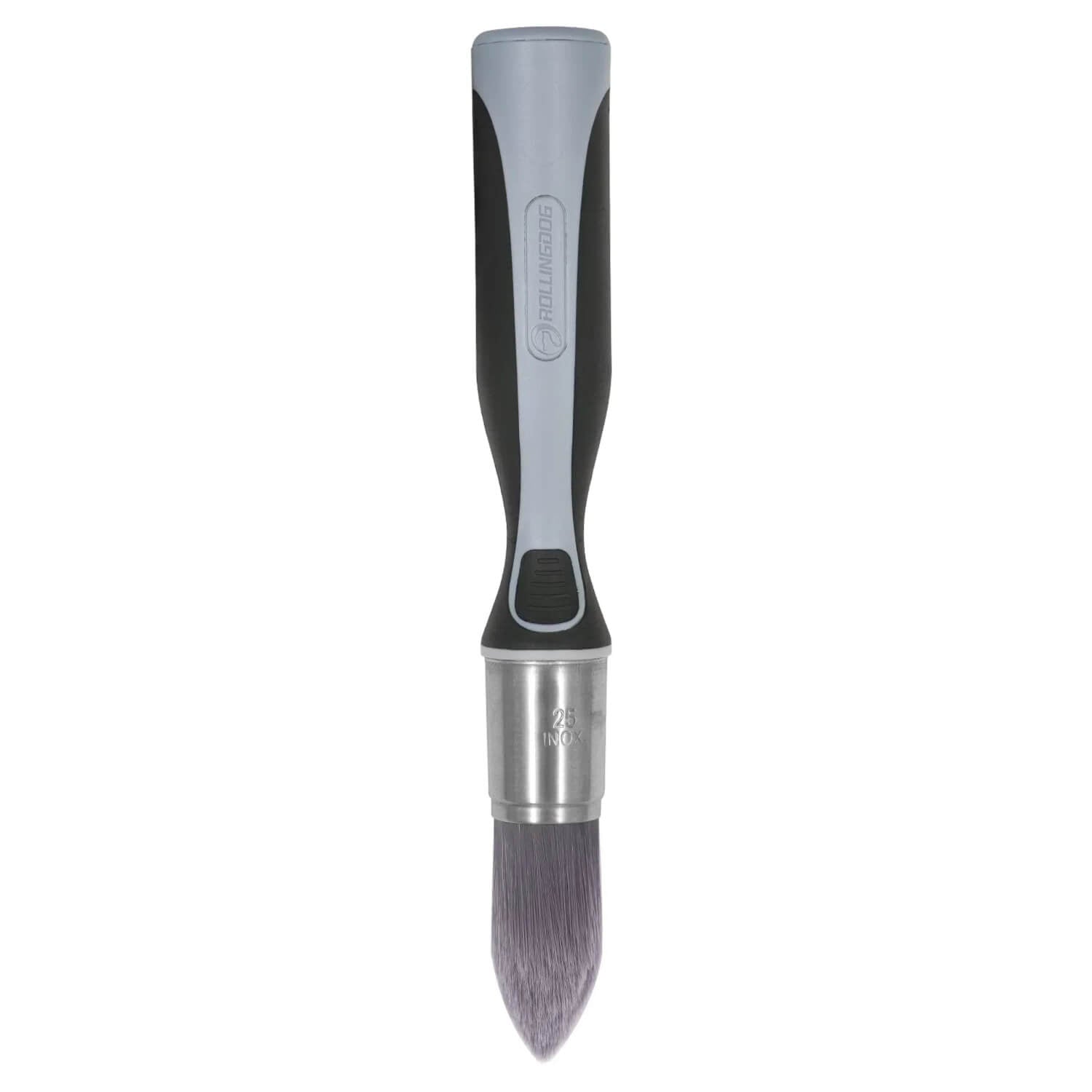
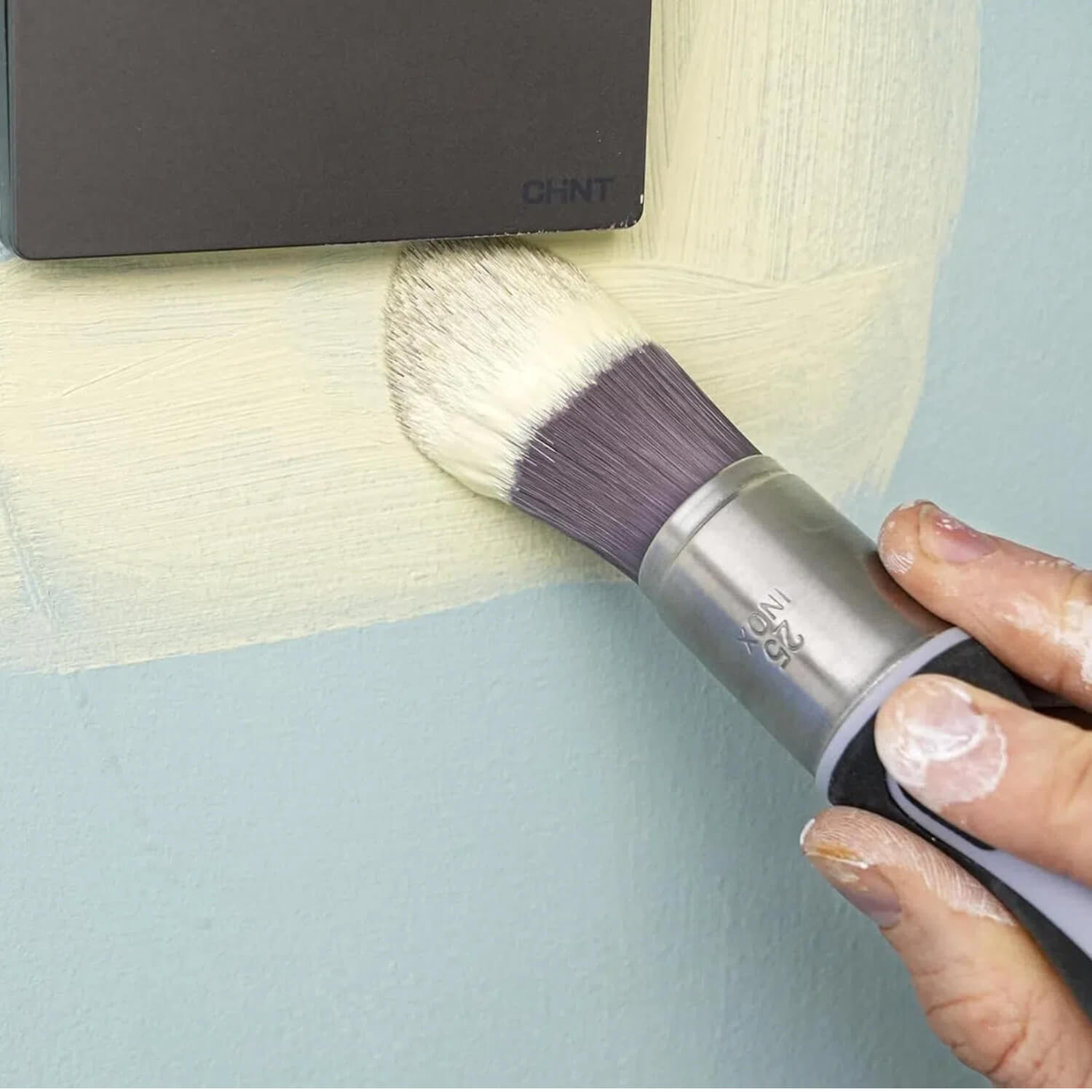
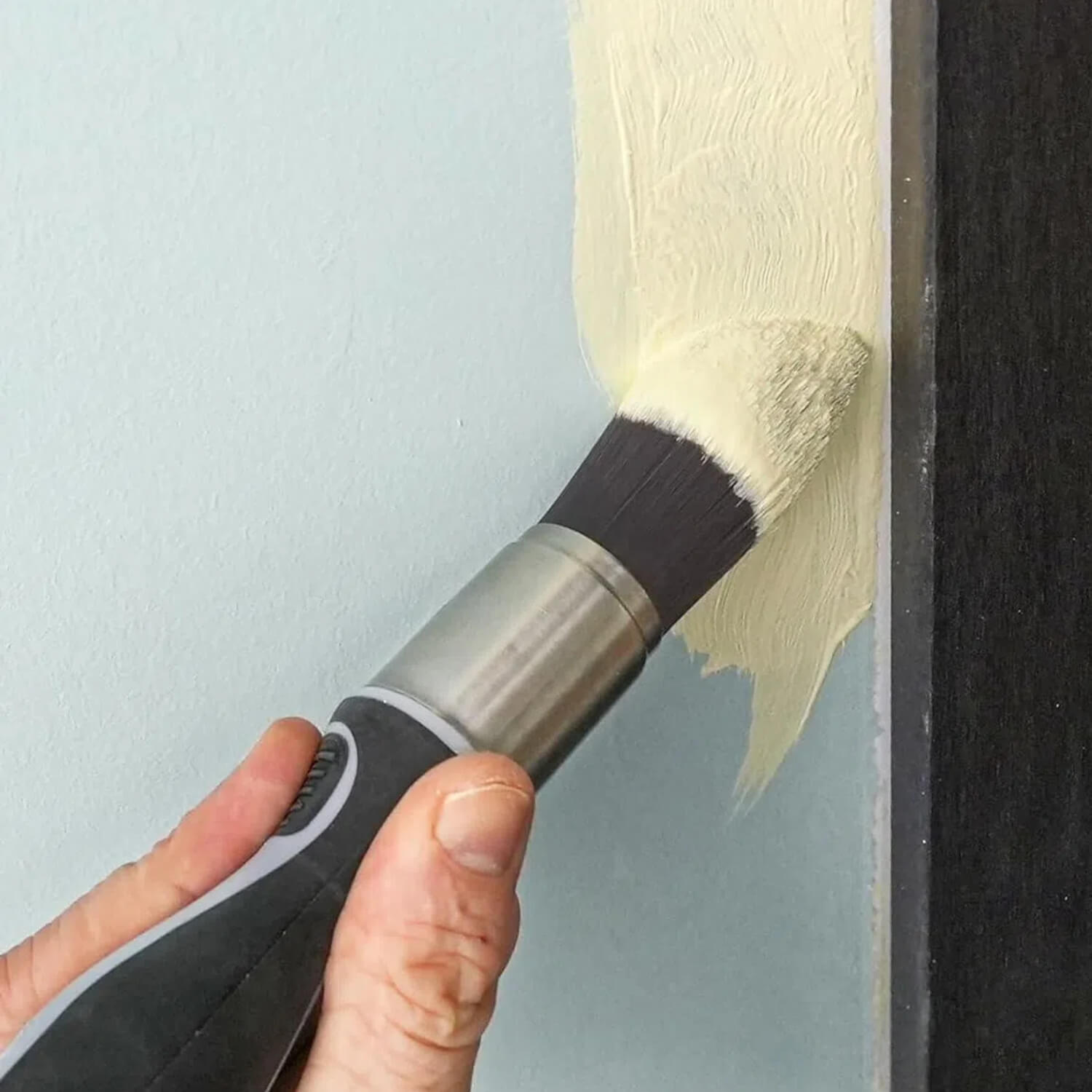
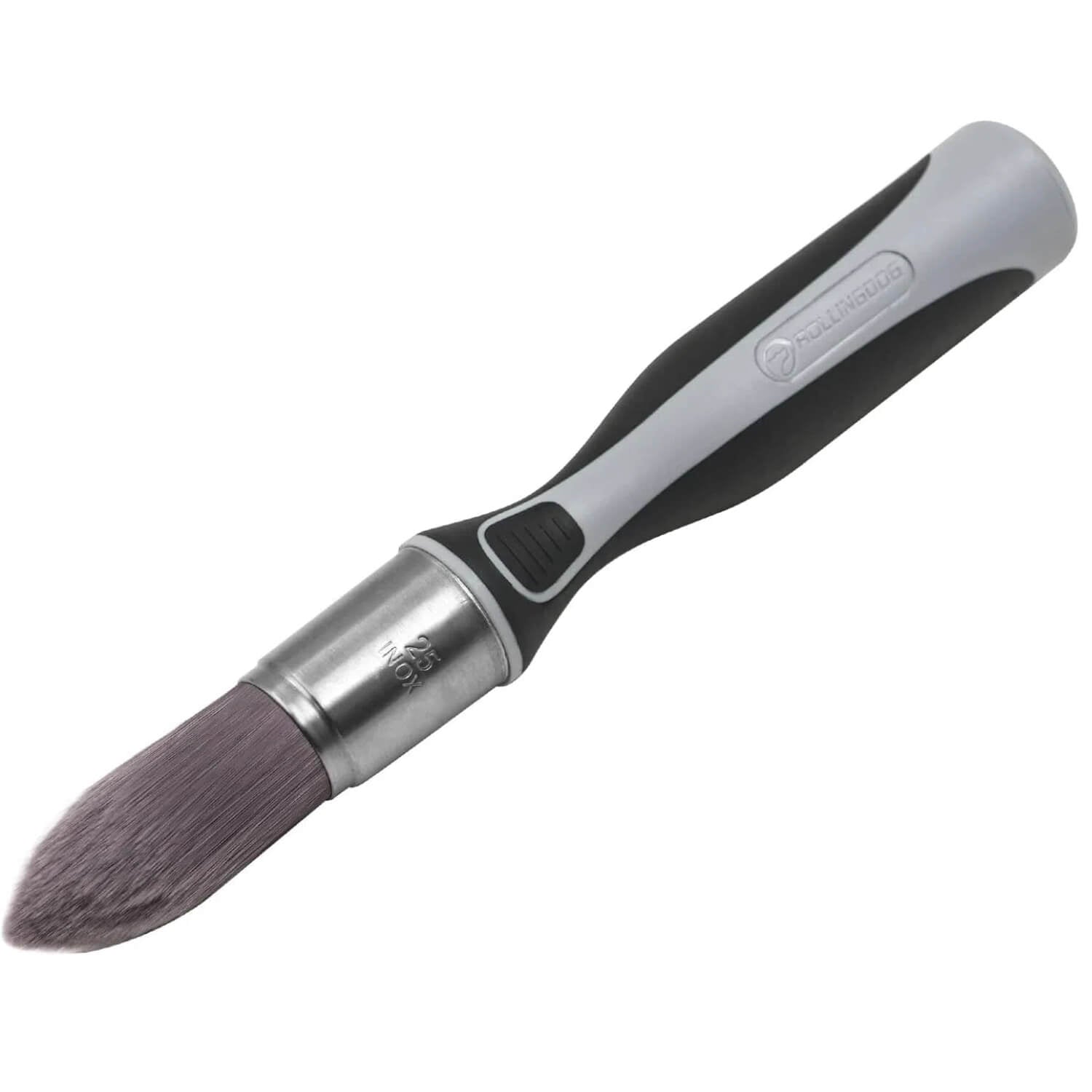
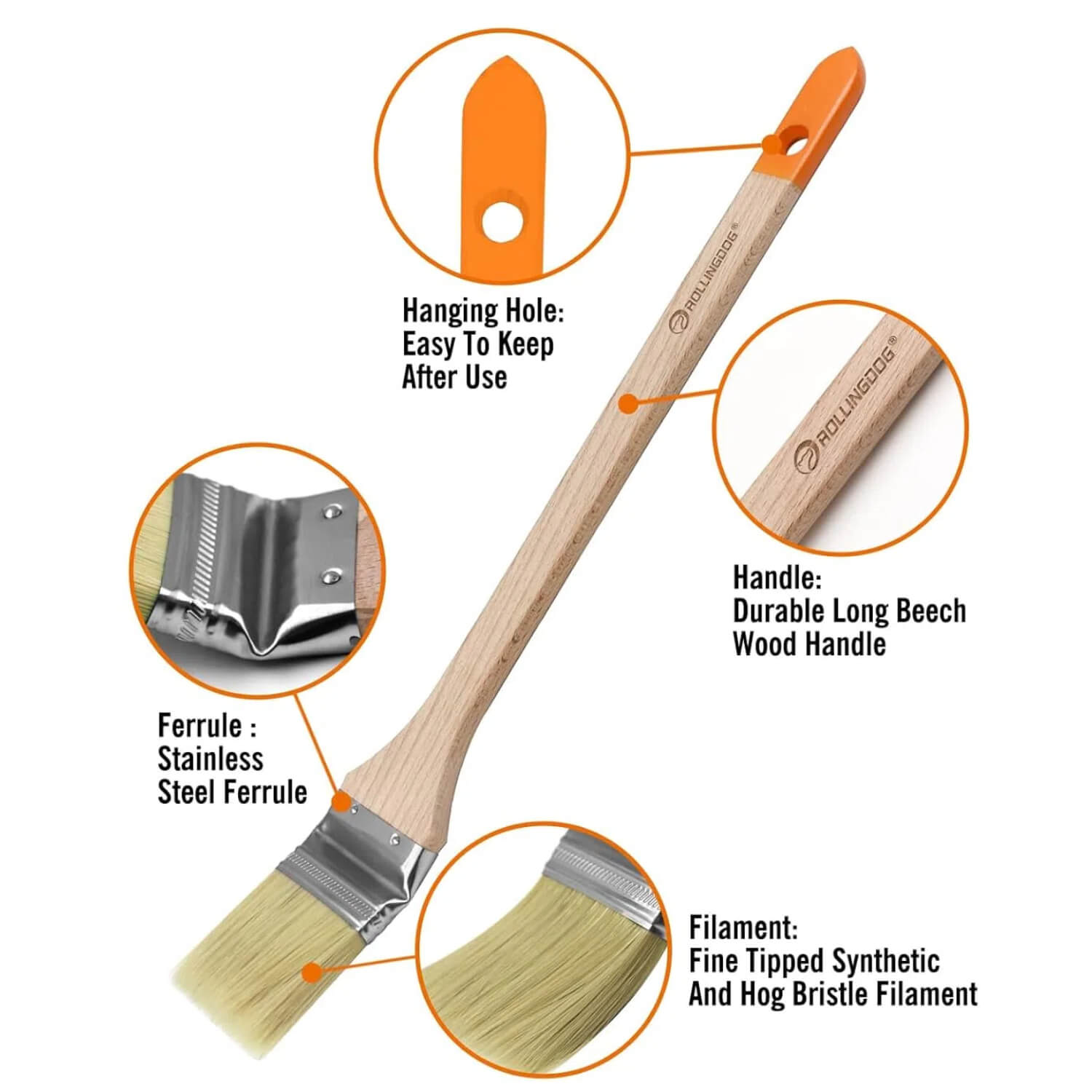
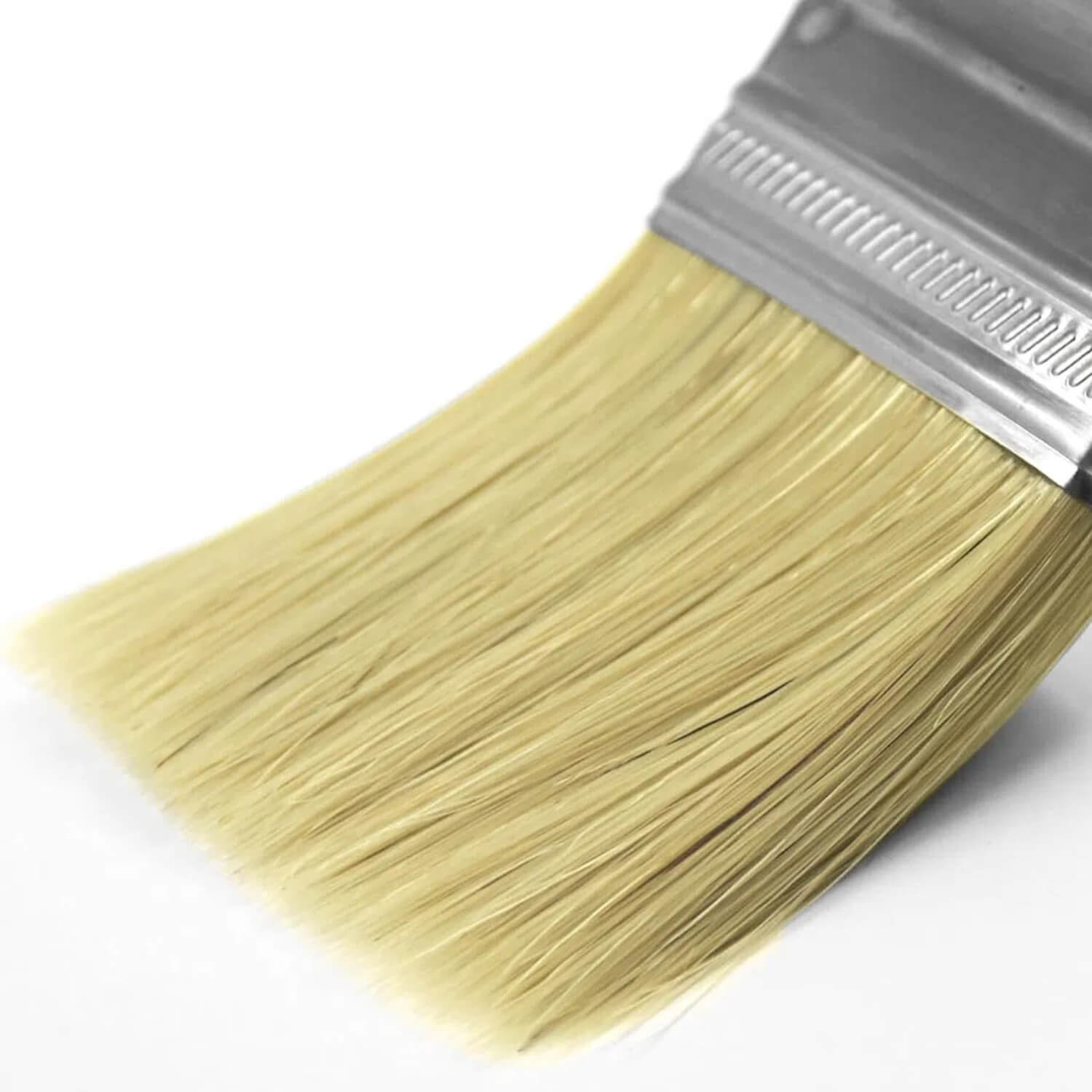
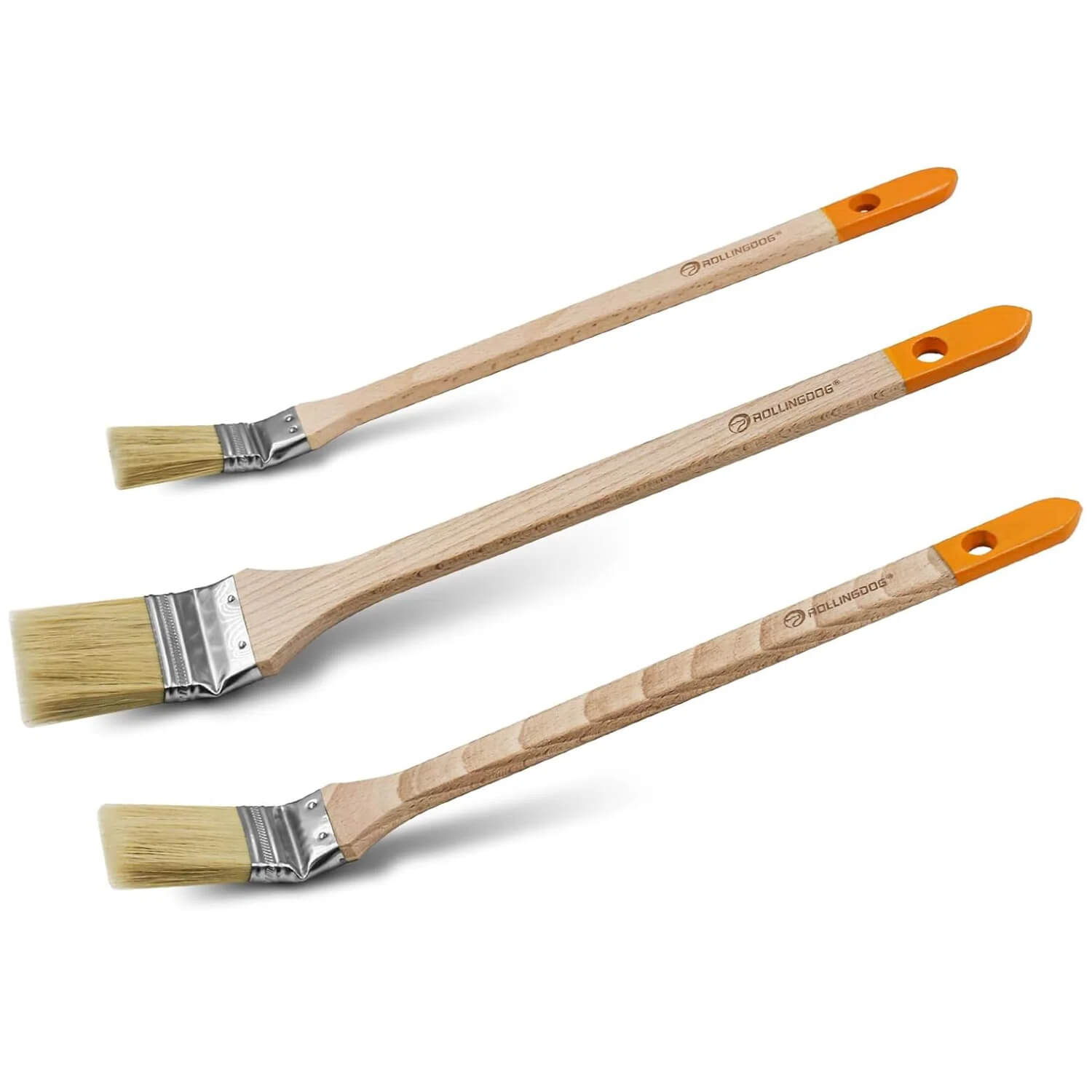
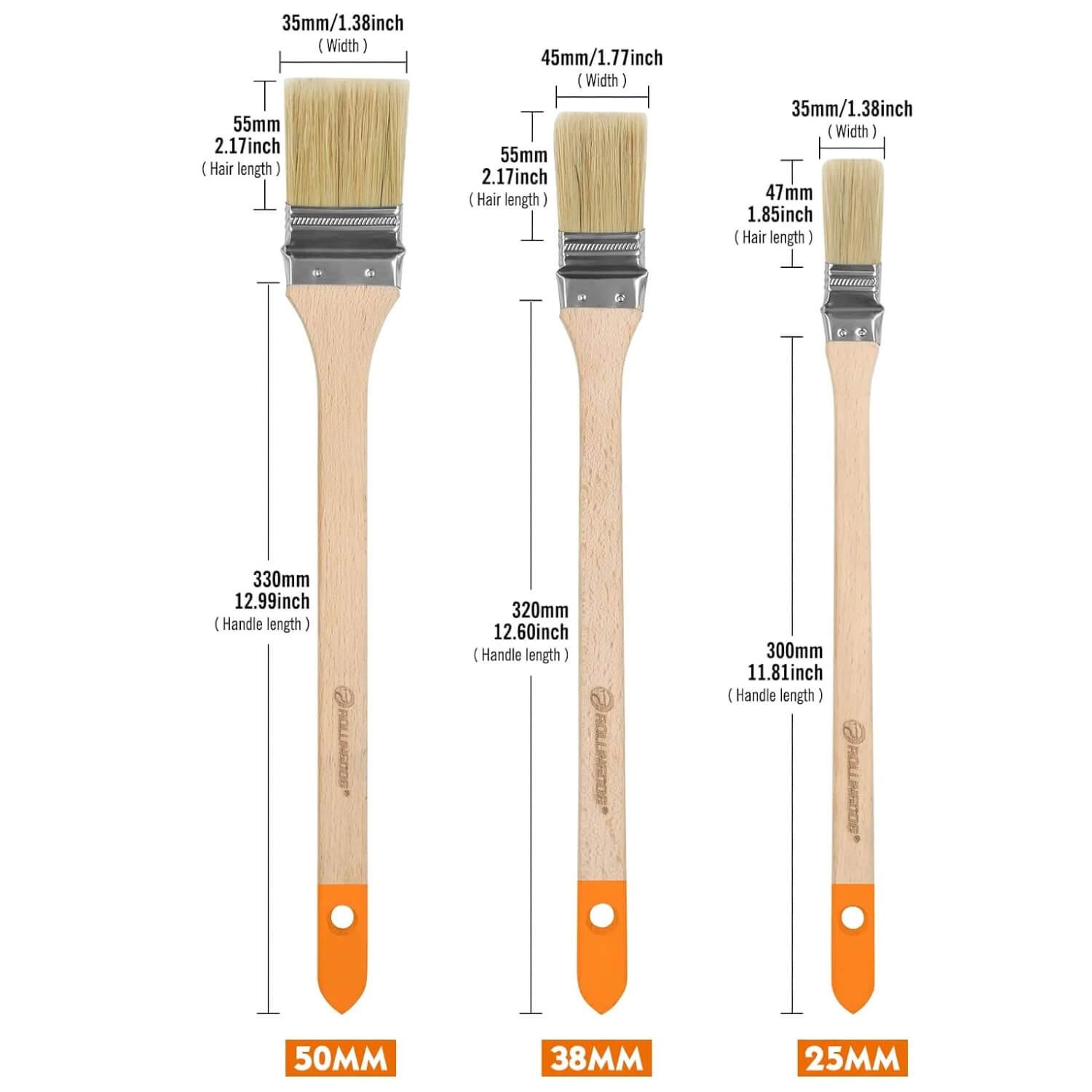
The best paint brush for cutting in depends on the type of surface you are painting. Angled brushes are typically the best choice for cutting in along walls, ceilings, and larger edges, while trim and detail brushes provide better control for smaller or more intricate areas.
By selecting the right brush for each situation, you can improve brush control, create cleaner paint lines, and achieve more professional-looking results in your painting projects.


